What Is Transformational Coaching? Becoming a Transformational Coach
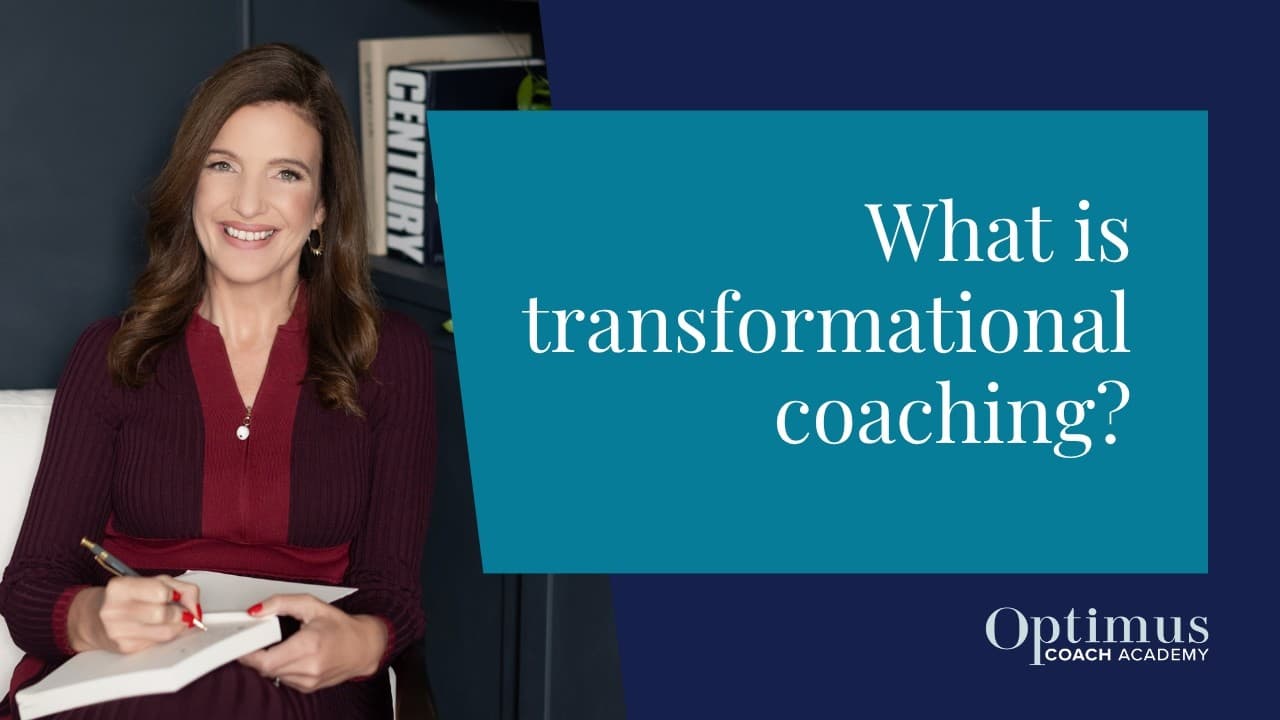
TL;DR
Transformational coaching goes beyond basic coaching to create lasting change.
Transcript
Read and summarize the transcript of this video on Glasp Reader (beta).
Key Insights
- Transformational coaching focuses on deep self-awareness, helping clients understand their beliefs, values, and habits to facilitate change.
- Unlike transactional coaching, transformational coaching goes beyond surface-level changes, addressing underlying issues to create long-term impact.
- The coaching process involves active listening and presence, allowing coaches to identify subtle cues and support clients in their growth journey.
- Transformational coaching requires time and commitment, often taking three to six months to embed meaningful changes.
- Effective transformational coaches are skilled listeners and experts in human behavior, acting as detectives to uncover clients' blind spots.
- Coaching is not just about using tools and models; it's about engaging with clients on a deeper level to promote transformation.
- The ultimate goal of transformational coaching is to help clients develop a new identity and change their behavior sustainably.
- Training and continuous learning are essential for coaches to enhance their skills and effectively support clients in their transformation.
Install to Summarize YouTube Videos and Get Transcripts
Explore YouTube Video Summarizer or Get YouTube Transcript Extractor
Questions & Answers
Q: What distinguishes transformational coaching from basic coaching?
Transformational coaching goes beyond basic coaching by focusing on deep self-awareness and addressing underlying beliefs, values, and habits. Unlike basic coaching, which may focus on surface-level changes, transformational coaching aims to create lasting change by helping clients understand and transform their core issues.
Q: Why is active listening important in transformational coaching?
Active listening is crucial in transformational coaching because it allows coaches to identify subtle cues and understand what clients are saying and not saying. This skill helps coaches support clients in their growth journey by uncovering underlying issues and facilitating deeper self-awareness and transformation.
Q: How long does transformational coaching typically take?
Transformational coaching typically requires a commitment of three to six months. This duration allows clients to embed meaningful changes in their behavior and identity, as transformation is a gradual process that involves understanding and addressing deep-seated beliefs, values, and habits.
Q: What role do tools and models play in transformational coaching?
While tools and models have their place in transformational coaching, the approach is not solely reliant on them. Instead, transformational coaching emphasizes engaging with clients on a deeper level, focusing on self-awareness and understanding to promote sustainable transformation rather than just using predefined techniques.
Q: What is the ultimate goal of transformational coaching?
The ultimate goal of transformational coaching is to help clients develop a new identity and sustainably change their behavior. This is achieved by facilitating deep self-awareness and addressing underlying beliefs, values, and habits, enabling clients to transform their thinking, feeling, and actions over time.
Q: Why is continuous learning important for transformational coaches?
Continuous learning is important for transformational coaches because it helps them enhance their skills and stay updated with the latest coaching techniques. By undergoing training and learning from bodies like Optimus Coach Academy, coaches can better support clients in their transformation journeys and effectively facilitate new ways of thinking and doing.
Q: How does transformational coaching support clients in their growth journey?
Transformational coaching supports clients in their growth journey by providing a space for deep self-awareness and understanding. Coaches listen actively, help clients identify and address underlying issues, and facilitate the development of new beliefs and behaviors, ultimately enabling clients to transform their identity and achieve long-term change.
Q: What makes transformational coaches effective in facilitating change?
Transformational coaches are effective in facilitating change because they are skilled listeners and experts in human behavior. They can identify subtle cues and act as detectives in clients' lives, uncovering blind spots and supporting clients in their transformation journey by addressing deep-seated beliefs, values, and habits.
Summary & Key Takeaways
-
Transformational coaching is a deep, self-awareness-focused approach that goes beyond basic coaching models to create lasting change. It emphasizes understanding clients' beliefs, values, and habits to facilitate meaningful transformation over time.
-
Unlike transactional coaching, transformational coaching addresses underlying issues rather than just surface-level changes. This approach requires active listening and presence from coaches to identify subtle cues and support clients' growth journeys.
-
Effective transformational coaching takes time and commitment, often requiring three to six months to embed meaningful changes. The process involves engaging with clients on a deeper level and helping them develop a new identity and sustainable behavior changes.
Read in Other Languages (beta)
Share This Summary 📚
Summarize YouTube Videos and Get Video Transcripts with 1-Click
Try YouTube Summary with ChatGPT & Claude or YouTube Transcript Generator