How Does Pollination Work in Plant Reproduction?
TL;DR
Pollination is a crucial step in plant sexual reproduction, involving the transfer of pollen grains from the anther to the stigma. There are two types: self-pollination occurs within the same flower, while cross-pollination occurs between different flowers. Various agents, including wind, water, insects, and birds, facilitate this process.
Transcript
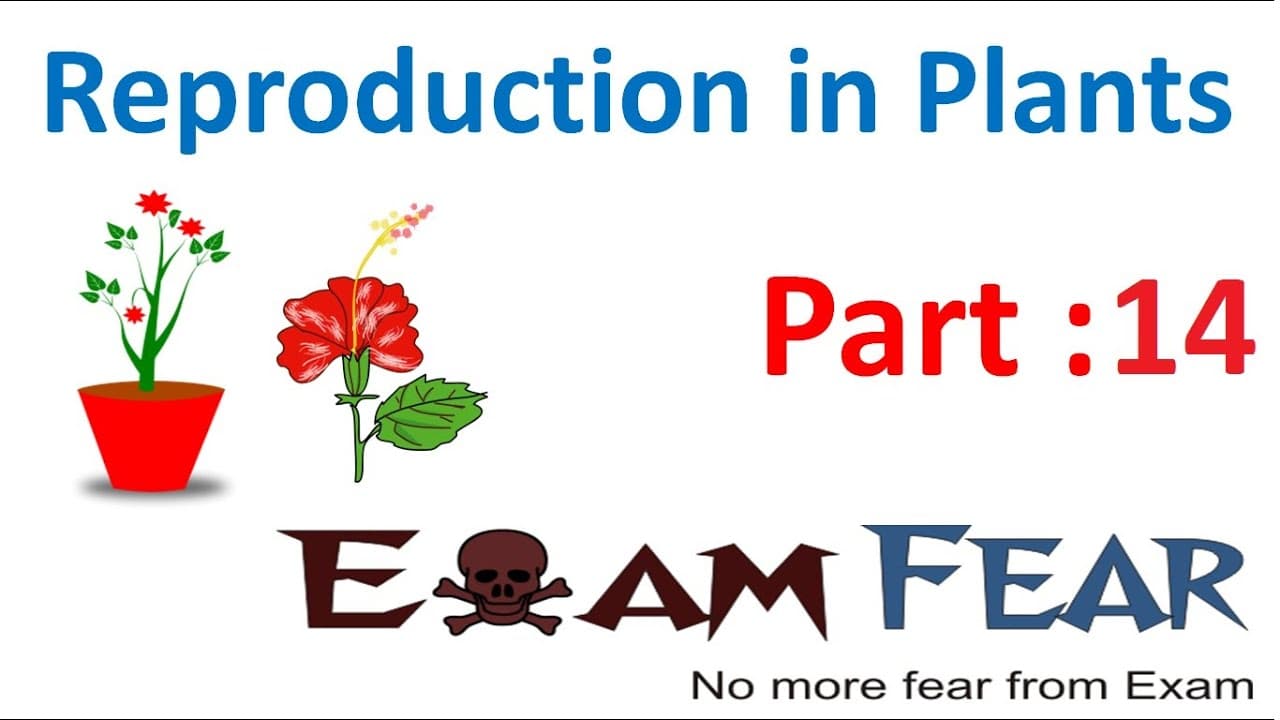
hello friends this video on reproduction in plants part 14 is brought to you by exam for calm no more fear from exam so now the most important questions ok we understood how medium it is and how female gamete is upon but the question is how does sexual reproduction occur in plants how exactly this process take place so there are it is not a single ... Read More
Key Insights
- 🌱 Sexual reproduction in plants involves pollination, fertilization, seed formation, and germination.
- 💐 Pollination can be self-pollination or cross-pollination, depending on whether it occurs within the same flower or between different flowers.
- 💦 Pollination can occur through various agents, including wind, water, insects, and birds.
- 💦 Wind-pollinated plants have light pollen grains, while water-pollinated plants release gametes into the water.
- 🖐️ Biotic agents such as insects and birds play a crucial role in the pollination of plants.
- 💐 Colorful petals, sweet fragrance, and nectar attract insects to pollinate flowers.
- 🥳 Animals like rats can also act as pollinating agents by inadvertently transferring pollen grains.
Install to Summarize YouTube Videos and Get Transcripts
Explore YouTube Video Summarizer or Get YouTube Transcript Extractor
Questions & Answers
Q: What is pollination in plants?
Pollination is the transfer of pollen grains from the anther to the stigma of a flower, allowing for the fusion of male and female gametes.
Q: What are the two types of pollination?
The two types of pollination are self-pollination, which occurs within the same flower, and cross-pollination, which occurs between different flowers.
Q: How does pollination occur in plants?
Pollination can occur through various agents such as wind, water, insects, and birds, which carry the pollen grains from the anther to the stigma.
Q: What are the characteristics of wind-pollinated plants?
Wind-pollinated plants have light, non-sticky pollen grains that are easily carried by the wind. The stamens are well-exposed, and the stigma is large and feathery to catch the pollen grains.
Q: How does water pollination occur in plants?
Water pollination is less common and usually happens in lower plants. The male and female gametes are released into the water, and as the water flows, they meet and fertilization occurs.
Q: What are the biotic agents of pollination?
Insects, such as bees and butterflies, and birds are the most common biotic agents of pollination. They are attracted to colorful and fragrant flowers and transfer pollen grains as they feed on nectar.
Q: What are some traits of insect-pollinated plants?
Insect-pollinated plants typically have colorful petals, a sweet fragrance, and nectar to attract insects. They rely on insects to transfer pollen grains between flowers.
Q: What are some examples of pollination in animals other than insects?
Animals like rats can also act as pollinating agents as they move from one plant to another, carrying pollen grains on their paws or body.
Summary & Key Takeaways
-
Sexual reproduction in plants involves four important steps: pollination, fertilization, seed formation, and germination.
-
Pollination is the transfer of pollen grains from the anther to the stigma.
-
There are two types of pollination: self-pollination, which occurs within the same flower, and cross-pollination, which occurs between different flowers.
Read in Other Languages (beta)
Share This Summary 📚
Summarize YouTube Videos and Get Video Transcripts with 1-Click
Try YouTube Summary with ChatGPT & Claude or YouTube Transcript Generator
Explore More Summaries from LearnoHub - Class 11, 12 📚

Summarize YouTube Videos and Get Video Transcripts with 1-Click
Try YouTube Summary with ChatGPT & Claude or YouTube Transcript Generator