The Science Of Rhythm Guitar, Chapter 1-Technique
TL;DR
Rhythm guitar is crucial and often overlooked; technique is key.
Transcript
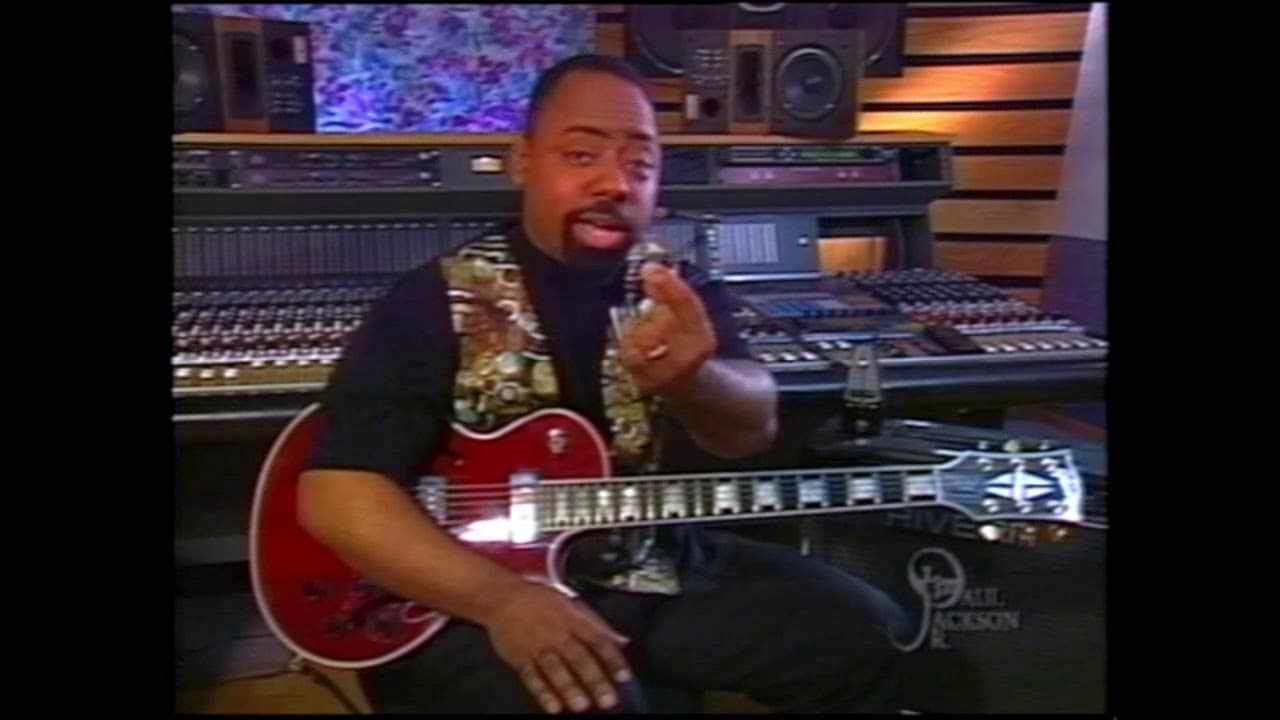
Paul Jackson jr. in three words a triple-threat the best one eat a man eat a man the big day showing up to the gig rhythm guitarist apply here yeah they have guitar soloist apply to it's great hey G what's wrong with that guy yeah well it's my pick chance rhythm guitarist there must be some problem nobody wants to play rhyth... Read More
Key Insights
- Rhythm guitar is often undervalued, but it is essential for guitarists, with more rhythm parts needed than solos.
- Proper technique is equally important for rhythm playing as it is for soloing or classical music.
- Using heavier strings and picks can help build hand strength and improve timing for rhythm playing.
- Practicing with a metronome helps maintain timing and prevents stopping during difficult phrases.
- The 'three on a string' method is recommended for practicing timing between the left and right hands.
- The 'first fret hand Buster' exercise is useful for building left hand strength and accuracy.
- Muting is a crucial technique that varies based on guitar type and should be personalized through practice.
- Practicing different stroke techniques and intervals can personalize and enhance rhythm playing.
Install to Summarize YouTube Videos and Get Transcripts
Explore YouTube Video Summarizer or Get YouTube Transcript Extractor
Questions & Answers
Q: Why is rhythm guitar important according to Paul Jackson Jr.?
Paul Jackson Jr. emphasizes that rhythm guitar is crucial because for every solo taken, there are at least ten rhythm parts that need to be played. He notes that rhythm playing is often overlooked in guitar curriculums, but mastering it is vital for a well-rounded guitarist.
Q: What does Paul Jackson Jr. recommend for building good rhythm guitar technique?
Paul Jackson Jr. recommends using heavier strings, such as tens or elevens, to build hand strength. He also advises using heavier picks for better timing between the left and right hands. Practicing with a metronome is crucial for maintaining timing and preventing unnecessary stops during practice.
Q: What exercises does Paul Jackson Jr. suggest for improving rhythm guitar skills?
Paul Jackson Jr. suggests exercises like the 'three on a string' method for timing between hands and the 'first fret hand Buster' for building left hand strength. He also emphasizes the importance of practicing muting techniques and experimenting with different strokes and intervals to personalize rhythm playing.
Q: How does practicing with a metronome benefit rhythm guitar playing?
Practicing with a metronome benefits rhythm guitar playing by ensuring that the guitarist maintains consistent timing. It helps identify if the player is rushing or lagging, prevents stopping during difficult phrases, and assists in synchronizing the left and right hands, leading to improved accuracy and performance.
Q: What is the 'three on a string' method mentioned by Paul Jackson Jr.?
The 'three on a string' method is a practice technique that involves playing one octave major scales within a sixth fret range. It is designed to improve timing between the left and right hands. Paul Jackson Jr. emphasizes practicing this method with a metronome to ensure accuracy and consistency.
Q: What is the purpose of the 'first fret hand Buster' exercise?
The 'first fret hand Buster' exercise is aimed at building left hand strength. It involves alternating between different finger combinations and moving up and down the fretboard. Paul Jackson Jr. stresses the importance of practicing this exercise with a metronome to focus on accuracy rather than speed.
Q: Why is muting an important technique in rhythm guitar playing?
Muting is an important technique in rhythm guitar playing because it helps control the sound and tone of the guitar. It varies based on the type of guitar and personal playing style. Paul Jackson Jr. highlights the need to practice muting to achieve a solid muted tone that is neither too choked nor too open.
Q: How can guitarists personalize their rhythm playing according to Paul Jackson Jr.?
Guitarists can personalize their rhythm playing by experimenting with different stroke techniques, intervals, and muting exercises. Paul Jackson Jr. encourages making up exercises to practice and refine these techniques, which will help guitarists develop their unique style and improve their overall rhythm playing.
Summary & Key Takeaways
-
Rhythm guitar is an often overlooked but vital skill for guitarists. Paul Jackson Jr. emphasizes the importance of mastering rhythm techniques to complement soloing skills. He provides detailed guidance on developing solid rhythm playing through proper technique, string and pick selection, and consistent practice.
-
Developing good rhythm guitar technique involves using heavier strings and picks to build hand strength and improve timing. Practicing with a metronome ensures consistent timing and helps guitarists avoid stopping when encountering difficult passages, leading to improved overall performance.
-
Muting is an essential rhythm guitar technique that requires practice and personalization. Paul Jackson Jr. demonstrates various exercises, such as the 'three on a string' method and the 'first fret hand Buster,' to develop hand strength and accuracy. He encourages experimenting with different strokes and intervals to enhance rhythm playing.
Read in Other Languages (beta)
Share This Summary 📚
Summarize YouTube Videos and Get Video Transcripts with 1-Click
Try YouTube Summary with ChatGPT & Claude or YouTube Transcript Generator