CHED 0552 2 2 13 44
TL;DR
Christian education is vital for church identity and mission.
Transcript
the topic for this week is Biddle Christian education in the lecture I will look at what's happened to Christine education in our churches not many churches have structured Christian education programs today when we think of cee we think of children's ministry there is learning happening but it's often not well coordinated w... Read More
Key Insights
- The decline in structured Christian education programs in churches has led to a lack of coordinated learning with clear aims and purposes.
- Edward Folly's article critiques the neglect of Christian education in churches, emphasizing its connection to theological education and its importance in the Christian faith.
- Weak churches, as observed in 1969, face a crisis of identity and belief, often losing members and failing to engage them in meaningful faith reflection.
- The Canadian church context mirrors these issues, with significant membership declines and a rise in religious diversity and secularization.
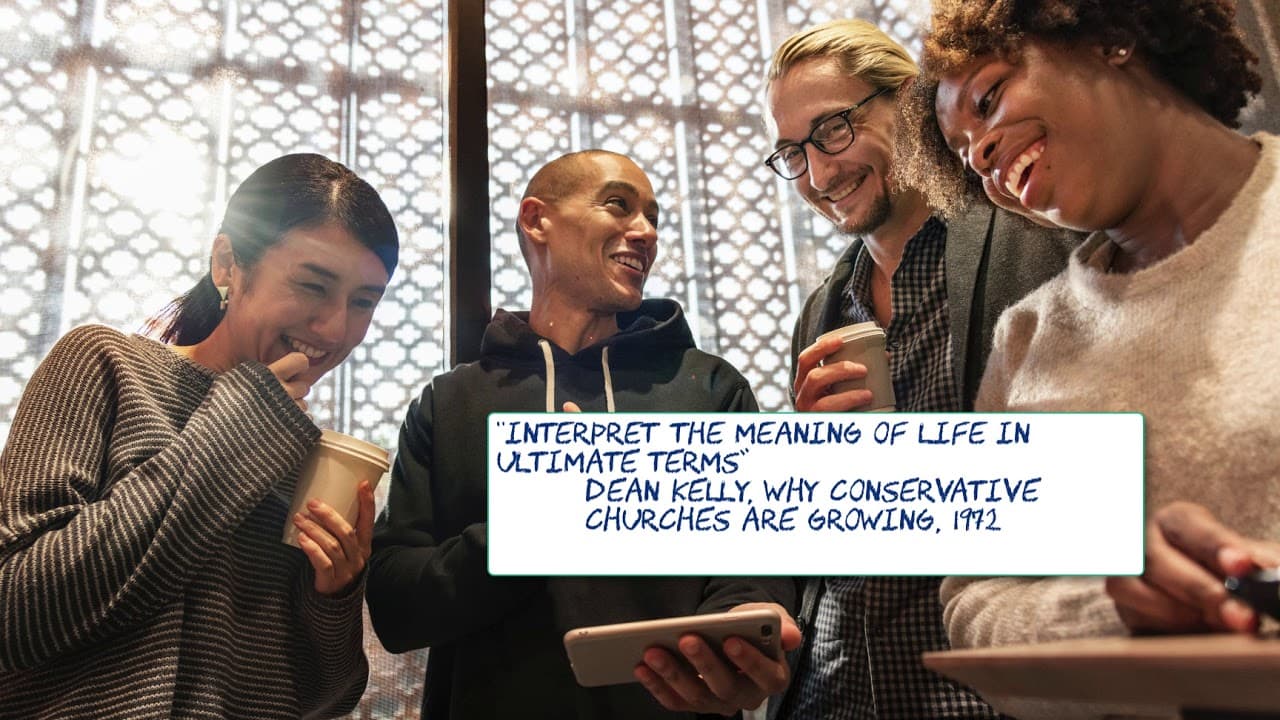
- Churches that flourish help members find meaning in life and faith, addressing critical life stages and crises with relevant messages.
- Post-Christian societies, characterized by relativism and skepticism of grand narratives, pose challenges but also opportunities for churches to offer hope and renewal.
- Growing churches meet deep spiritual hunger by providing community, love, and answers to profound questions through discipleship and small group study.
- Declining churches often compromise core values, replacing biblical standards with secular content, which weakens their religious identity and mission.
Install to Summarize YouTube Videos and Get Transcripts
Explore YouTube Video Summarizer or Get YouTube Transcript Extractor
Questions & Answers
Q: Why is Christian education important for churches?
Christian education is crucial for churches as it provides a structured approach to learning that aligns with the church's mission and identity. It helps in integrating faith with everyday life, ensuring that members understand theological concepts and apply them to their personal and communal experiences.
Q: What are the main challenges faced by churches according to the lecture?
The lecture identifies several challenges, including a crisis of identity and belief, declining membership, and the inability to engage members meaningfully in their faith. These issues are compounded by secularization and the rise of religious diversity, which challenge traditional church practices and beliefs.
Q: How does Edward Folly's article contribute to the discussion on Christian education?
Edward Folly's article is pivotal as it critiques the neglect of Christian education within churches. It highlights the importance of connecting theological education with Christian education, providing philosophical insights that emphasize the need for structured learning to support the church's mission and identity.
Q: What observations were made about churches in the 1969 study?
The 1969 study observed that weak churches faced a crisis of identity and belief, leading to rapid membership declines. These churches often lacked a clear understanding of their mission and failed to engage members in meaningful faith reflection, creating a disconnect between church teachings and everyday life.
Q: What is the significance of the Canadian church context in the lecture?
The Canadian church context illustrates similar challenges faced by churches globally, including significant membership declines and increased secularization. The rise of religious diversity and the growing number of non-religiously affiliated individuals highlight the urgent need for churches to address these issues through effective education and engagement.
Q: How can churches address the challenges posed by post-Christian societies?
Churches can address post-Christian challenges by offering messages of hope, love, and renewal that resonate with individuals facing life's crises. By providing a community of support and addressing deep spiritual hunger, churches can attract those seeking meaning and answers to profound questions in a postmodern context.
Q: What role does discipleship play in growing churches?
Discipleship plays a vital role in growing churches by fostering a deeper understanding of faith through small group studies and community engagement. It helps members find meaning in their faith journey, addressing life's critical stages and crises with relevant and supportive messages that strengthen their connection to the church.
Q: How have some churches compromised their core values?
Some churches have compromised their core values by replacing biblical standards with secular content, focusing on pop psychology and societal success rather than the gospel's core message. This shift weakens their religious identity and mission, leading to a decline in membership and engagement.
Summary & Key Takeaways
-
The lecture discusses the importance of Christian education in churches, highlighting its current lack of structure and coordination. It emphasizes the need for an overarching aim and purpose to support the church's mission and identity.
-
Edward Folly's article is a critical resource in understanding the neglect of Christian education. It connects theological education with Christian education, underscoring the necessity of integrating learning with faith and theology.
-
Observations from past studies reveal that weak churches suffer from identity crises, leading to membership declines. In contrast, flourishing churches effectively help members find meaning in life and faith, addressing postmodern challenges.
Read in Other Languages (beta)
Share This Summary 📚
Summarize YouTube Videos and Get Video Transcripts with 1-Click
Try YouTube Summary with ChatGPT & Claude or YouTube Transcript Generator