Lyme Disease "Is it safe to walk in the park?" - Professor Patricia Nuttal
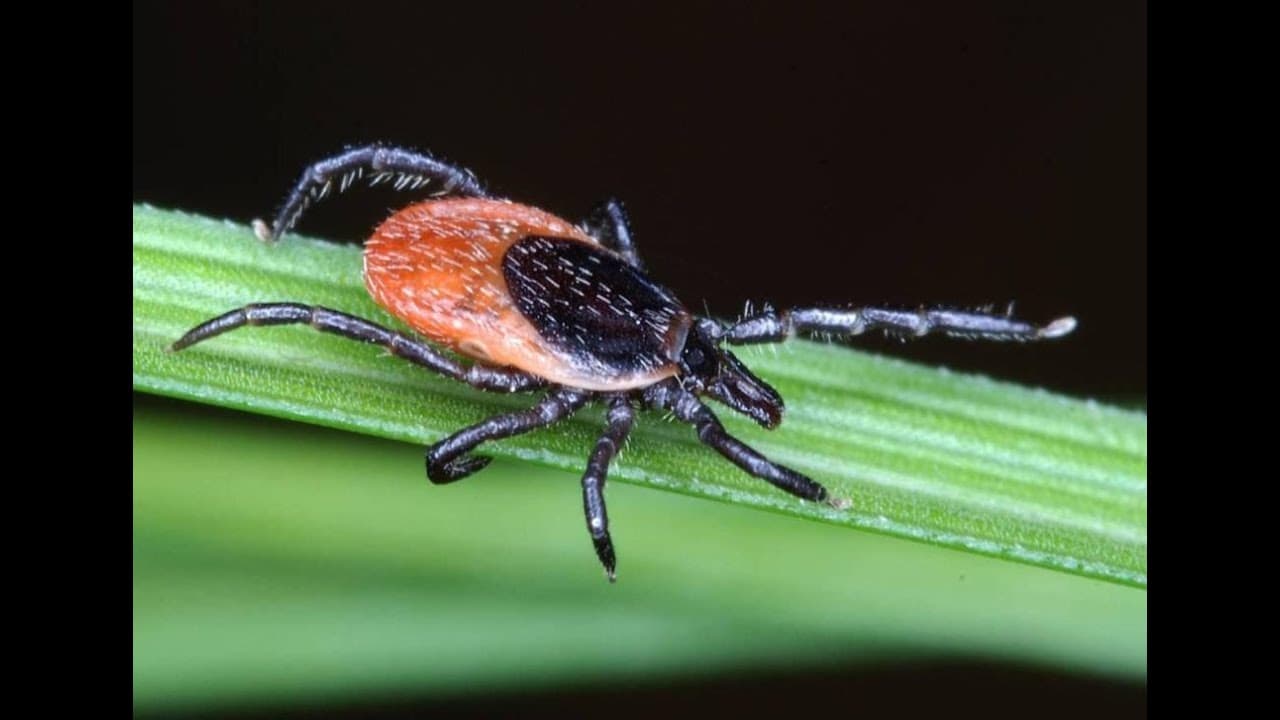
TL;DR
Lyme disease is a tick-borne illness that can be contracted while walking in parks, but the risk is relatively low compared to other locations.
Transcript
gresham college presents lyme disease is it safe to walk in the park by professor patricia nettle obe well good evening everyone and i'm delighted to be here i hope i can entertain you um with lyme disease but particularly with ticks because that's where my passion really lies and i hope by the end of the lecture you'll all share my enthusiasm for ... Read More
Key Insights
- 💋 Lyme disease is primarily transmitted through the bite of infected ticks, predominantly in woodland areas.
- 😘 The risk of contracting Lyme disease while walking in parks is relatively low compared to regions with higher tick populations.
- 💋 Different tick species and strains of the Borrelia bacteria contribute to variations in the manifestations and prevalence of Lyme disease worldwide.
- 👻 Ticks possess sophisticated mechanisms to secure their feeding and minimize detection by their hosts.
- 🥳 Tick-borne diseases, including Lyme disease, have become a significant public health concern in various parts of the world.
- 😒 The spread of Lyme disease is influenced by factors such as changes in land use, habitat fragmentation, and the density of tick hosts.
- 🖐️ Surveillance programs and public education play crucial roles in managing and preventing Lyme disease.
Install to Summarize YouTube Videos and Get Transcripts
Explore YouTube Video Summarizer or Get YouTube Transcript Extractor
Questions & Answers
Q: What is Lyme disease and how is it transmitted?
Lyme disease is caused by the bacterium Borrelia burgdorferi, which is transmitted through tick bites. When ticks feed on infected animals, they acquire the bacterium and can subsequently transmit it to humans.
Q: What are the symptoms of Lyme disease?
The most common symptom is a characteristic rash called erythema migrans, which appears within a month of a tick bite. Other symptoms may include fatigue, fever, headache, muscle aches, and joint pain.
Q: How can Lyme disease be treated?
Lyme disease can be treated with antibiotics if diagnosed early. Prompt treatment can prevent the infection from spreading to the joints, heart, and nervous system.
Q: What are the key factors contributing to the increase in Lyme disease cases?
The increase in reported cases may be due to improved recognition and reporting of the disease. Additionally, the expansion of deer populations, which serve as hosts for ticks, may contribute to the spread of Lyme disease.
Summary & Key Takeaways
-
Lyme disease is caused by a bacterium transmitted through tick bites, predominantly in woodland areas.
-
Ticks go through a complex life cycle, requiring blood meals from different hosts to grow and reproduce.
-
The risk of Lyme disease in the UK is lower compared to other countries, although cases have been increasing.
Read in Other Languages (beta)
Share This Summary 📚
Summarize YouTube Videos and Get Video Transcripts with 1-Click
Try YouTube Summary with ChatGPT & Claude or YouTube Transcript Generator
Explore More Summaries from Gresham College 📚


Summarize YouTube Videos and Get Video Transcripts with 1-Click
Try YouTube Summary with ChatGPT & Claude or YouTube Transcript Generator