The Dangerous Chemicals In Your Plastic Packages
TL;DR
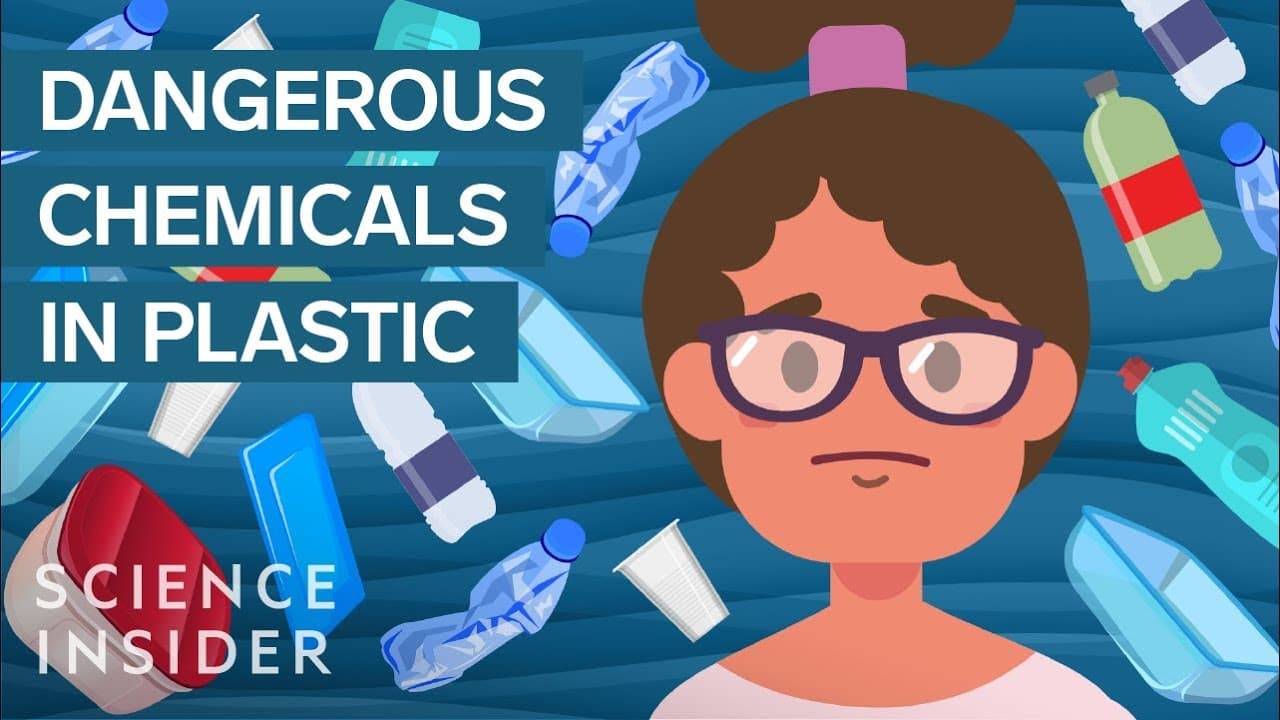
Plastic packaging contains harmful chemicals like BPA and phthalates.
Transcript
Read and summarize the transcript of this video on Glasp Reader (beta).
Key Insights
- BPA and phthalates in plastic packaging are linked to health issues such as obesity, heart disease, and Type 2 diabetes.
- BPA is a common chemical found in water bottles, cans, and thermal paper receipts, which can seep into food and skin.
- The ester bonds in BPA are heat-sensitive, allowing chemicals to leach into food when heated in plastic containers.
- Over 90% of Americans have detectable BPA levels, highlighting its widespread presence in everyday products.
- BPA-free alternatives like BPS and BPF may also pose similar health risks, urging a shift to glass or ceramic containers.
- Phthalates, used for flexibility in plastics, are associated with impaired neurological development in children.
- Reducing exposure to these chemicals can gradually eliminate them from the body, as they are stored in fat cells.
- Bruce Blumberg advises making conscious choices to minimize exposure and improve health outcomes.
Install to Summarize YouTube Videos and Get Transcripts
Explore YouTube Video Summarizer or Get YouTube Transcript Extractor
Questions & Answers
Q: What are the potential health risks associated with BPA in plastics?
BPA in plastics is linked to several health risks, including obesity, heart disease, and Type 2 diabetes. It can leach into food from containers, especially when heated, and is found in various everyday products like water bottles and thermal paper receipts. Its widespread presence is concerning, as over 90% of Americans have detectable BPA levels.
Q: How does BPA leach into food from plastic containers?
BPA leaches into food from plastic containers due to the sensitivity of ester bonds that hold BPA molecules together. When exposed to heat, these bonds break, releasing BPA into the food. This process is particularly concerning when food is heated in plastic containers, increasing the risk of chemical exposure.
Q: Are BPA-free plastics a safer alternative?
BPA-free plastics may not be a safer alternative, as common replacements like BPS and BPF might pose similar health risks. Research suggests that these substitutes can also have adverse effects on the body, prompting experts to recommend using glass or ceramic containers instead for food storage and heating.
Q: What are phthalates, and what health concerns are associated with them?
Phthalates are chemicals used to make plastics flexible and are found in various consumer products. Health concerns associated with phthalates include impaired neurological development in children and potential links to other conditions. Their ability to leach into food when heated makes them a significant concern for public health.
Q: How prevalent is BPA exposure in the American population?
BPA exposure is highly prevalent in the American population, with a CDC survey estimating that over 90% of Americans have detectable levels of BPA in their urine. This widespread exposure highlights the pervasiveness of BPA in everyday products and the potential health risks associated with chronic exposure.
Q: What steps can individuals take to reduce exposure to harmful chemicals in plastics?
Individuals can reduce exposure to harmful chemicals in plastics by avoiding heating food in plastic containers, opting for glass or ceramic alternatives, and being mindful of the products they use. Making conscious choices about product usage and storage can help minimize health risks and improve long-term outcomes.
Q: What does Bruce Blumberg recommend for minimizing exposure to plastic chemicals?
Bruce Blumberg recommends minimizing exposure to plastic chemicals by using alternatives like glass or ceramic for food storage and heating. He advises making conscious choices that offer the most benefit with the least effort, emphasizing the importance of reducing exposure to improve health and well-being.
Q: How do chemicals like BPA and phthalates leave the body?
Chemicals like BPA and phthalates are stored in fat cells, which eventually die and leave the body over time. Reducing exposure to these chemicals allows them to gradually be eliminated from the system, highlighting the importance of minimizing contact to reduce long-term health risks.
Summary & Key Takeaways
-
Plastic packaging contains harmful chemicals like BPA and phthalates, which are linked to various health issues. BPA is prevalent in items like water bottles and thermal receipts, and can leach into food, especially when heated. Over 90% of Americans have detectable levels of BPA, indicating widespread exposure.
-
BPA-free alternatives such as BPS and BPF might not be safer, prompting a recommendation to use glass or ceramic containers. Phthalates in plastics are linked to developmental issues in children. Reducing exposure to these chemicals can gradually eliminate them from the body, as they are stored in fat cells.
-
Molecular biologist Bruce Blumberg emphasizes the importance of making conscious choices to minimize exposure to harmful chemicals in plastics. He suggests avoiding heating food in plastic containers and opting for safer alternatives to improve health outcomes and reduce long-term risks.
Read in Other Languages (beta)
Share This Summary 📚
Summarize YouTube Videos and Get Video Transcripts with 1-Click
Try YouTube Summary with ChatGPT & Claude or YouTube Transcript Generator
Explore More Summaries from Insider Science 📚

Summarize YouTube Videos and Get Video Transcripts with 1-Click
Try YouTube Summary with ChatGPT & Claude or YouTube Transcript Generator