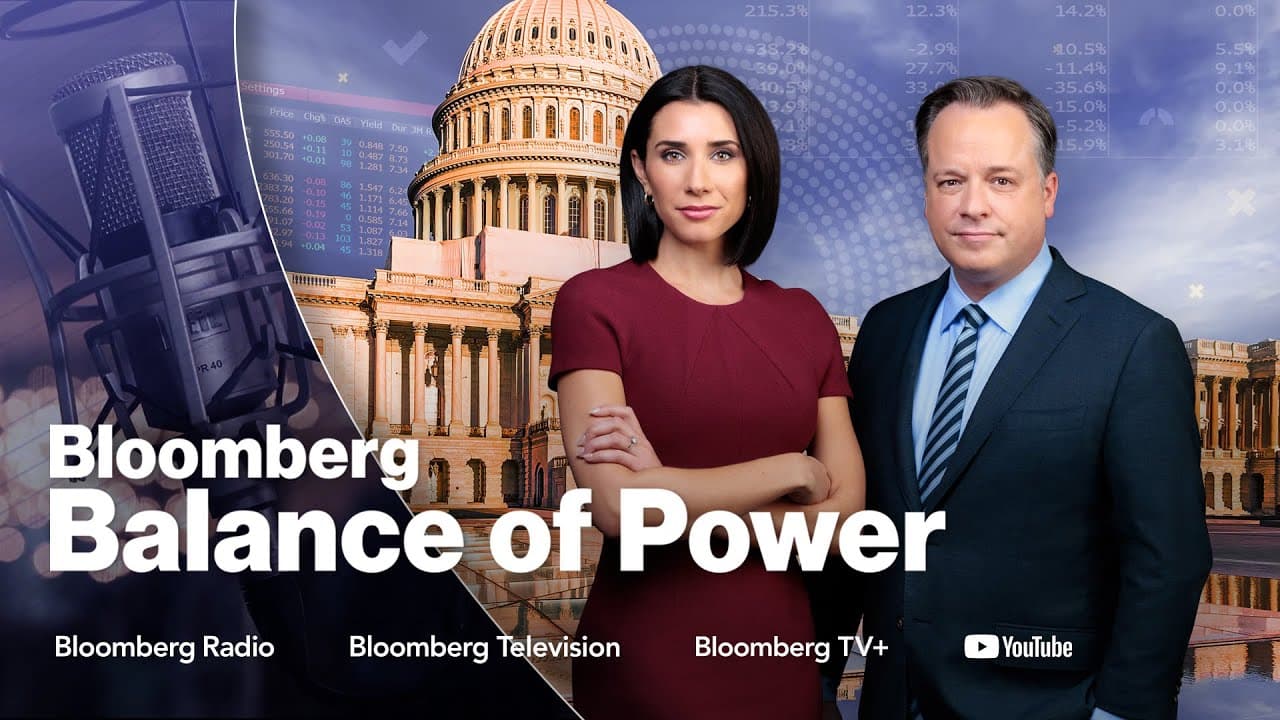
Trump Tariffs Shake Up Global Trade | Balance of Power: Early Edition 7/07/2025
TL;DR
Trump announces new tariffs on Japan and South Korea, with more to follow.
Transcript
Read and summarize the transcript of this video on Glasp Reader (beta).
Key Insights
- President Trump has announced 25% tariffs on goods from Japan and South Korea, with potential for more countries to receive similar letters, indicating a significant shift in U.S. trade policy.
- The administration is using these tariffs as leverage to negotiate better trade deals, with a new deadline set for August 1, extending the previous July 9 deadline.
- Markets reacted negatively to the tariff announcements, with significant declines in major indices, reflecting investor concerns over escalating trade tensions.
- The potential for retaliation from Japan and South Korea could lead to further increases in tariffs, exacerbating global trade tensions.
- Negotiations with countries like India and the European Union are ongoing, with some countries reportedly closer to reaching agreements than others.
- The administration's approach to trade is characterized by unpredictability, with shifting deadlines and mixed signals about the likelihood of reaching deals.
- The recent flooding in Texas has prompted a federal emergency response, highlighting the administration's handling of domestic crises alongside international trade issues.
- Elon Musk's announcement of forming a new political party adds another layer of complexity to the U.S. political landscape, potentially affecting future elections.
Install to Summarize YouTube Videos and Get Transcripts
Explore YouTube Video Summarizer or Get YouTube Transcript Extractor
Questions & Answers
Q: What is the significance of the new tariffs announced by President Trump?
The new tariffs announced by President Trump represent a significant escalation in trade tensions between the U.S. and its trading partners, particularly Japan and South Korea. By imposing a 25% tariff on imports from these countries, the administration aims to pressure them into negotiating more favorable trade agreements. The move is part of a broader strategy to address perceived trade imbalances and protect U.S. industries. However, it also risks retaliation from affected countries, which could further disrupt global trade dynamics.
Q: How have financial markets reacted to the tariff announcements?
Financial markets have reacted negatively to the tariff announcements, with major indices experiencing notable declines. Investors are concerned about the potential impact of escalating trade tensions on global economic growth and corporate earnings. The uncertainty surrounding the future of international trade agreements and the possibility of retaliatory measures from affected countries have contributed to market volatility. The situation underscores the sensitivity of financial markets to geopolitical developments and trade policies.
Q: What are the potential consequences if Japan and South Korea retaliate against the tariffs?
If Japan and South Korea choose to retaliate against the U.S. tariffs, it could lead to a further escalation of trade tensions. Retaliatory measures might include imposing their own tariffs on U.S. goods, which could harm American exporters and disrupt supply chains. Such actions could exacerbate global trade conflicts, leading to increased costs for businesses and consumers. The situation could also strain diplomatic relations and complicate efforts to negotiate comprehensive trade agreements, potentially impacting global economic stability.
Q: What is the current status of trade negotiations with other countries?
Trade negotiations with other countries are ongoing, with mixed progress reported. While some countries, like India and the European Union, are said to be closer to reaching agreements, others remain in more contentious positions. The administration has prioritized certain countries for negotiations, but the complexity of trade issues and sector-specific concerns have made reaching comprehensive deals challenging. The shifting deadlines and strategic use of tariffs as leverage reflect the administration's approach to securing favorable trade terms.
Q: How does the administration's handling of domestic crises, like the Texas flooding, affect its international trade strategy?
The administration's handling of domestic crises, such as the Texas flooding, requires a careful balance of resources and attention alongside international trade strategy. While managing an effective emergency response is crucial for public safety and political credibility, it can divert focus from complex international negotiations. The administration must demonstrate competence in both domestic and international arenas to maintain public confidence and leverage in trade discussions. Effective crisis management can enhance the administration's overall standing and influence in global affairs.
Q: What impact could Elon Musk's new political party have on future elections?
Elon Musk's announcement of forming a new political party, the America Party, introduces another dynamic into the U.S. political landscape. While third parties historically face challenges in gaining significant traction, Musk's high profile and resources could attract attention and support. The party's platform and alignment with voter interests will determine its impact. If successful, it could disrupt traditional party dynamics, influence policy debates, and alter electoral outcomes by drawing votes from established parties, especially in closely contested races.
Q: What are the main challenges in reaching trade agreements by the new August 1 deadline?
Reaching trade agreements by the new August 1 deadline presents several challenges. Key issues include addressing sector-specific concerns, such as tariffs on autos and steel, which are critical for countries like Japan and South Korea. The complexity of negotiations, differing national interests, and the need for concessions on both sides complicate the process. Additionally, the administration's use of tariffs as leverage can create uncertainty and resistance among trading partners. The tight timeline adds pressure to resolve these issues swiftly to avoid further economic disruptions.
Q: How might the U.S.-Israel relationship influence negotiations on a Gaza cease-fire?
The U.S.-Israel relationship plays a crucial role in negotiations on a Gaza cease-fire. The United States, as a key ally and supporter of Israel, has significant influence and leverage in encouraging diplomatic solutions. The administration's approach to balancing support for Israel with calls for humanitarian aid and conflict resolution will impact the prospects for a cease-fire. The relationship's dynamics, including recent military actions and strategic interests, will shape the discussions and potential agreements. Achieving a cease-fire requires navigating complex political and security considerations.
Summary & Key Takeaways
-
President Trump has announced a new round of tariffs on imports from Japan and South Korea, with letters sent to their leaders. The tariffs are set at 25%, with the potential for additional tariffs if these countries retaliate.
-
The U.S. administration is using these tariffs as a bargaining tool to negotiate better trade deals, with a new deadline of August 1. This marks an extension from the previous July 9 deadline, suggesting ongoing challenges in reaching agreements.
-
The market reaction to the tariff announcements has been negative, with significant declines in major indices. This reflects investor concerns over the impact of escalating trade tensions on the global economy.
Read in Other Languages (beta)
Share This Summary 📚
Summarize YouTube Videos and Get Video Transcripts with 1-Click
Try YouTube Summary with ChatGPT & Claude or YouTube Transcript Generator
Explore More Summaries from Bloomberg Television 📚


Summarize YouTube Videos and Get Video Transcripts with 1-Click
Try YouTube Summary with ChatGPT & Claude or YouTube Transcript Generator