Witnessing the Great Desert Elephants | Secrets of the Elephants
TL;DR
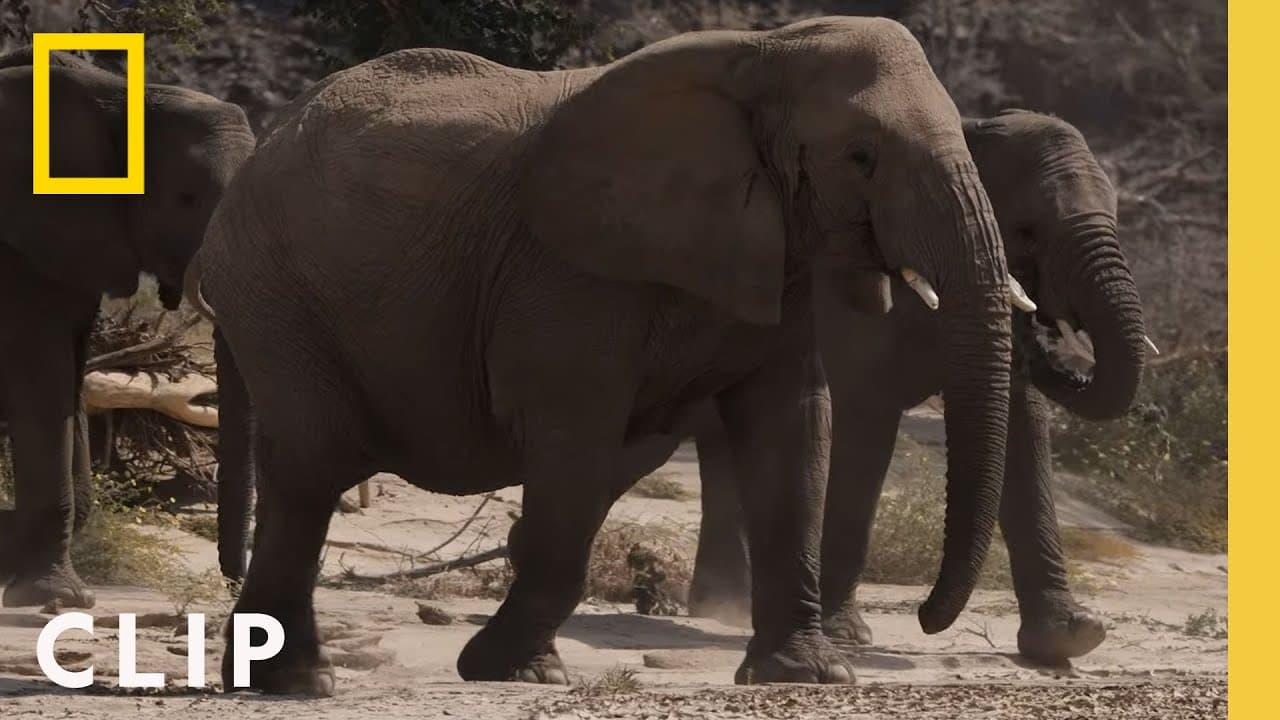
Desert elephants, a unique subspecies of African savanna elephants, have adapted to the harsh conditions of the Namib desert to survive.
Transcript
Somehow these elephants are eking out a living in a landscape that anyone else would think is lifeless. Conservationist Dr. Paula Kahumbu has spent her career studying the elephants of Africa's lush savanna grasslands. But she's never laid eyes on a desert elephant. She wants to find out how these remarkable animals managed to survive in this unfor... Read More
Key Insights
- 🐘 Desert elephants, a subspecies of African elephants, have adapted to survive in the harsh conditions of the Namib desert.
- 🐪 The physical differences between desert elephants and savanna elephants help them conserve energy and withstand desert conditions.
- 😋 The survival of desert elephants heavily relies on their ability to find water and navigate a landscape with scarce food resources.
- 🐪 Climate change and a five-year drought have made the Namib desert even more challenging for desert elephants to survive.
- 👨🔬 The constant movement of desert elephants is essential for their survival, as they need to keep searching for waterholes and resources.
- 🐪 Conservationists and researchers rely on experienced trackers to study and understand the behavior and survival strategies of desert elephants.
- 🐪 Understanding how desert elephants survive in the Namib desert can provide valuable insights for wildlife conservation and climate change adaptation.
Install to Summarize YouTube Videos and Get Transcripts
Explore YouTube Video Summarizer or Get YouTube Transcript Extractor
Questions & Answers
Q: How do desert elephants differ from savanna elephants?
Desert elephants have less fat in their legs, giving them a taller appearance, and looser skin. These physical differences help them adapt to the harsh desert environment.
Q: How do desert elephants manage to survive in the Namib desert?
Desert elephants have developed unique adaptations, such as the ability to travel long distances in search of waterholes and to withstand scarce food and water resources. Their survival strategy is focused on constant movement.
Q: What role does climate change play in the survival of desert elephants?
Climate change has brought a five-year drought to the Namib desert, making it even more challenging for desert elephants to find water and food. Their survival depends on their ability to navigate these changing conditions.
Q: How do researchers track desert elephants?
Conservationist Dr. Paula Kahumbu relies on the expertise of tracker Hendrik Moon, who has studied desert elephants for 25 years. Together, they track the constantly roaming elephant herds to learn more about their behavior and survival strategies.
Summary & Key Takeaways
-
Conservationist Dr. Paula Kahumbu is intrigued by the survival of desert elephants in the lifeless Namib desert.
-
Desert elephants are the same species as savanna elephants but have distinct physical differences due to their adaptation to the desert environment.
-
The Namib desert is facing a five-year drought, and the survival of desert elephants depends on their ability to find scarce food and water sources.
Read in Other Languages (beta)
Share This Summary 📚
Summarize YouTube Videos and Get Video Transcripts with 1-Click
Try YouTube Summary with ChatGPT & Claude or YouTube Transcript Generator
Explore More Summaries from National Geographic 📚



Summarize YouTube Videos and Get Video Transcripts with 1-Click
Try YouTube Summary with ChatGPT & Claude or YouTube Transcript Generator