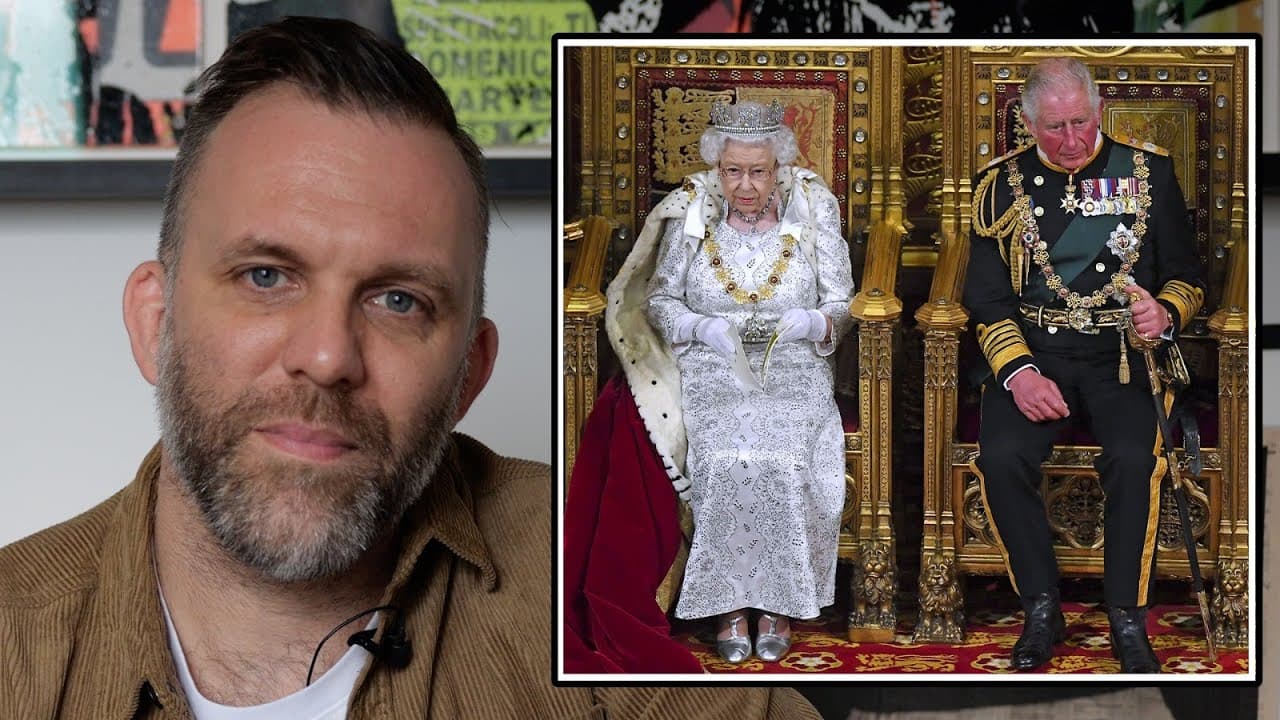
Former British Soldier EXPOSES The Monarchy
TL;DR
A former soldier critiques the British monarchy's role in inequality.
Transcript
Read and summarize the transcript of this video on Glasp Reader (beta).
Key Insights
- The British monarchy is seen as a symbol and active upholder of inequality, with vast wealth accumulated through historical violence and colonialism.
- King Charles inherited significant wealth without paying inheritance tax, contrasting with ordinary citizens who face heavy taxation.
- The monarchy is intertwined with British politics, exerting influence quietly yet significantly, often intervening in political matters.
- The media's coverage of the monarchy is criticized for being overly deferential, lacking critical perspectives, and promoting a top-down narrative.
- Republicanism is presented as a legitimate viewpoint, advocating for a more communal society that challenges unaccountable power structures.
- The monarchy's historical and ongoing connections to colonialism are highlighted, with vast land ownership and wealth derived from former colonies.
- The monarchy is critiqued for not addressing contemporary social issues, such as poverty and the cost of living crisis, despite their immense resources.
- There is a call for independent media to challenge the monarchy's narrative and encourage public discourse on its role and relevance in modern society.
Install to Summarize YouTube Videos and Get Transcripts
Explore YouTube Video Summarizer or Get YouTube Transcript Extractor
Questions & Answers
Q: What is the main criticism of the British monarchy?
The main criticism is that the British monarchy perpetuates inequality and has accumulated vast wealth through historical violence and colonialism. It is seen as an unaccountable power structure that influences politics and media, while not addressing contemporary social issues like poverty and the cost of living crisis.
Q: How does the speaker view the media's coverage of the monarchy?
The speaker criticizes the media for being overly deferential to the monarchy, lacking critical perspectives, and promoting a top-down narrative. He argues that the media often acts as a stenographer for the monarchy, failing to challenge its influence and role in society.
Q: What historical ties to colonialism does the monarchy have?
The monarchy has significant historical ties to colonialism, with wealth and land ownership derived from former colonies. The monarchy’s identity is intertwined with colonial history, and they continue to benefit from colonial-era assets, such as diamonds and other resources from former colonies.
Q: What alternative societal structure does the speaker advocate for?
The speaker advocates for a more communal society that challenges unaccountable power structures. He supports republicanism as a legitimate viewpoint, seeking a society based on justice and equality, rather than replacing the monarchy with another form of capitalist authority.
Q: How does the speaker view the monarchy's role in contemporary social issues?
The speaker criticizes the monarchy for not addressing contemporary social issues, such as poverty and the cost of living crisis. Despite their immense resources, the monarchy is seen as detached from the struggles of ordinary citizens, failing to contribute meaningfully to resolving these issues.
Q: What is the significance of independent media according to the speaker?
Independent media is crucial for providing critical perspectives on the monarchy and challenging the deferential narrative often seen in mainstream media. The speaker emphasizes the importance of independent journalism in fostering public discourse and questioning the monarchy's role and relevance in modern society.
Q: What is the speaker's personal connection to the monarchy?
The speaker, Joe Glenton, is a former British soldier who signed an oath to the queen. Despite this, he identifies as a republican and criticizes the monarchy, viewing it as an institution that embodies inequality and unaccountable power. His personal experiences inform his critical perspective.
Q: What does the speaker suggest about the monarchy's influence on politics?
The speaker suggests that the monarchy exerts a quiet yet significant influence on politics, often intervening in political matters. This influence is seen as a form of tyranny, wrapped in pageantry and a shroud of democracy, which the speaker argues should be critically examined and challenged.
Summary & Key Takeaways
-
The content criticizes the British monarchy for perpetuating inequality and accumulating wealth through colonialism and violence. It contrasts the monarchy’s tax-free inheritance with ordinary citizens' financial burdens, questioning the monarchy's relevance and influence in modern politics.
-
The speaker, a former soldier, questions the monarchy's role in politics and media coverage, advocating for republicanism and a more equitable society. He highlights the monarchy's historical ties to colonialism and calls for public discourse on its place in contemporary society.
-
The content emphasizes the need for independent media to provide critical perspectives on the monarchy, challenging the deferential narrative often seen in mainstream media. It urges consideration of a society without the monarchy, focusing on justice and equality.
Read in Other Languages (beta)
Share This Summary 📚
Summarize YouTube Videos and Get Video Transcripts with 1-Click
Try YouTube Summary with ChatGPT & Claude or YouTube Transcript Generator
Explore More Summaries from Double Down News 📚


Summarize YouTube Videos and Get Video Transcripts with 1-Click
Try YouTube Summary with ChatGPT & Claude or YouTube Transcript Generator