Will iPhones Completely Eliminate Physical Buttons?
TL;DR
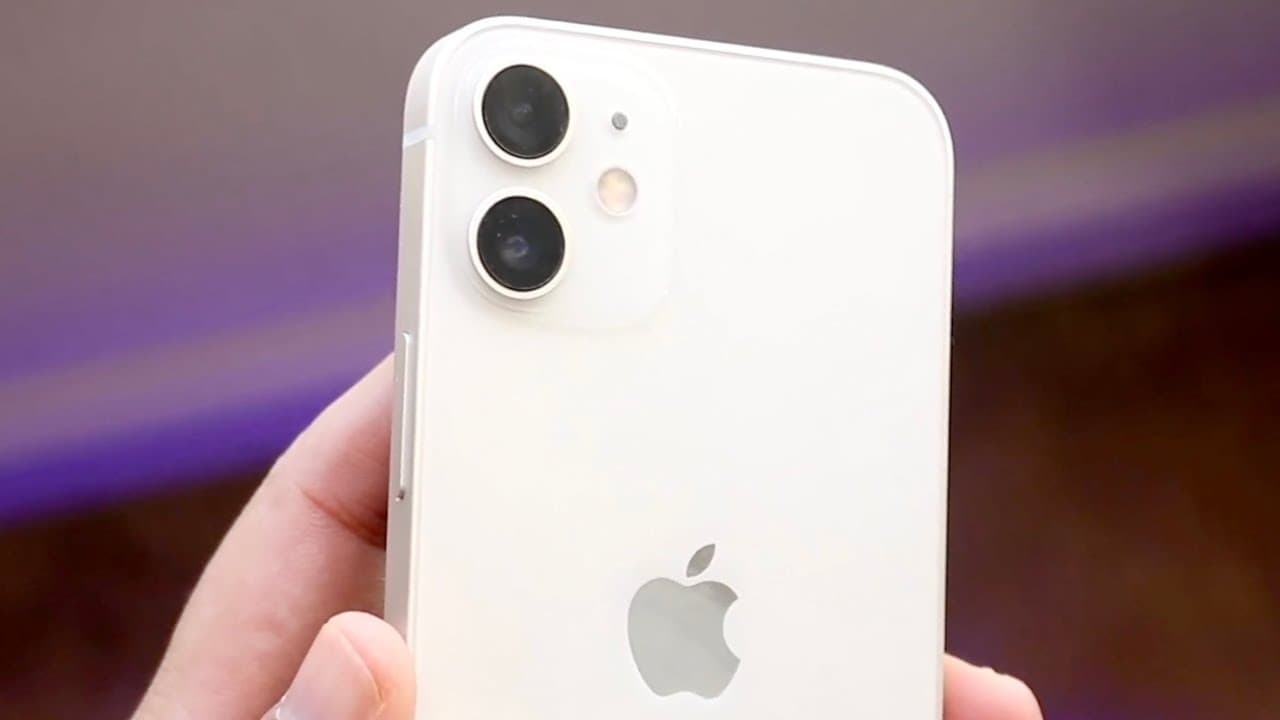
Apple is considering removing physical buttons from iPhones, opting for touch-sensitive indicators instead. This change could enhance design aesthetics and save internal space for larger batteries, as users have adapted to similar shifts in technology, such as the removal of the headphone jack and home button.
Transcript
welcome back everyone this cool little article from apple insider came out yesterday or the day before actually a while ago apparently april 15th i don't know why people just now start talking about it but they actually mentioned that apple could eventually switch away from having buttons on their phones and pretty much you know having just you kno... Read More
Key Insights
- 🎃 Apple's removal of physical buttons aligns with its history of controversial design choices, like eliminating the headphone jack.
- 🤩 User adaptation has been a key factor in the acceptance of Apple's design changes, reflecting evolving consumer attitudes towards technology.
- ✊ The concept of touch-sensitive areas may provide a viable alternative for controlling the volume and power without traditional buttons.
- 👾 A buttonless design could offer advantages such as more internal space for larger batteries or advanced features in future iPhones.
- 👤 Concerns about usability and functionality remain prevalent among users regarding the transition to buttonless devices.
- 👤 Apple’s innovations, including haptic feedback technology, could redefine user interactions and interface design.
- 👶 The shift towards a seamless, buttonless interface could inspire other tech manufacturers, creating a new design trend in smartphones.
Install to Summarize YouTube Videos and Get Transcripts
Explore YouTube Video Summarizer or Get YouTube Transcript Extractor
Questions & Answers
Q: What sparked the discussion about Apple removing physical buttons from iPhones?
The discussion was initially sparked by an article from Apple Insider that suggested a future where iPhones might rely on touch-sensitive indicators instead of physical buttons. This idea gained traction on platforms like Reddit, illustrating ongoing speculation about Apple's design evolution and user interface innovations.
Q: How have users adapted to Apple's previous design changes regarding buttons?
Users have typically adjusted well to Apple's design changes, exemplified by the transition away from the home button in iPhones. Initially met with resistance, users now often prefer gesture-based navigation, showing that consumer preferences can evolve as new technologies are integrated into their daily use.
Q: What implications could removing buttons have for battery life and device features?
If Apple removes physical buttons, it may free up internal space that can be utilized for larger batteries or additional features, theoretically enhancing device performance. However, the concern arises that Apple could prioritize aesthetics over functionality, potentially leading to smaller batteries or other compromises in future models.
Q: How might users control volume and power without physical buttons?
The article suggests that Apple could incorporate touch-sensitive areas with haptic feedback, akin to the Force Touch technology used in trackpads. Users would have designated spots to manage power and volume without traditional buttons while receiving tactile feedback to simulate button presses.
Q: What has been Apple's history with removing older features?
Apple has a history of removing established features from its devices, such as the elimination of the headphone jack and the shift to a USB-C charging port. While these changes often generate initial backlash, the company has consistently shown that user adaptation is feasible over time, leading to broader acceptance.
Q: What concerns do users have regarding these design changes?
Users often express concerns about the functionality and usability of devices that lack physical buttons. Many feel that buttons provide a reliable tactile feedback mechanism that enhances the user experience. There is also a fear that such changes could lead to complications, especially in situations where quick accessibility to functions is necessary.
Q: What technologies might Apple use to replace physical buttons?
Apple may employ technologies like vibration motors and sensors to create a tactile feedback experience in place of physical buttons. Similar to the technology used in MacBook trackpads, these innovations could provide users with the sensation of pressing a button while maintaining a smooth, buttonless design.
Q: How might a fully buttonless iPhone impact the future of smartphone design?
A fully buttonless iPhone could set a new standard for smartphone design, emphasizing sleek aesthetics and potentially inspiring other manufacturers to follow suit. This change could also lead to the development of innovative user interfaces and interactions, as companies explore haptic feedback, gesture controls, and other emerging technologies to enhance user experience.
Summary & Key Takeaways
-
Apple's potential move to remove physical buttons from iPhones has sparked discussion, paralleling previous controversial decisions like removing the headphone jack.
-
Despite initial resistance to changes like the absence of a home button, users have adapted to a gesture-based interface, indicating a shift in consumer acceptance.
-
The proposed design would involve sensors and tactile feedback mechanisms, maintaining a seamless experience while saving internal space for features like larger batteries.
Read in Other Languages (beta)
Share This Summary 📚
Summarize YouTube Videos and Get Video Transcripts with 1-Click
Try YouTube Summary with ChatGPT & Claude or YouTube Transcript Generator
Explore More Summaries from Simple Alpaca 📚

Summarize YouTube Videos and Get Video Transcripts with 1-Click
Try YouTube Summary with ChatGPT & Claude or YouTube Transcript Generator