How to Navigate Education and Cultural Identity
TL;DR
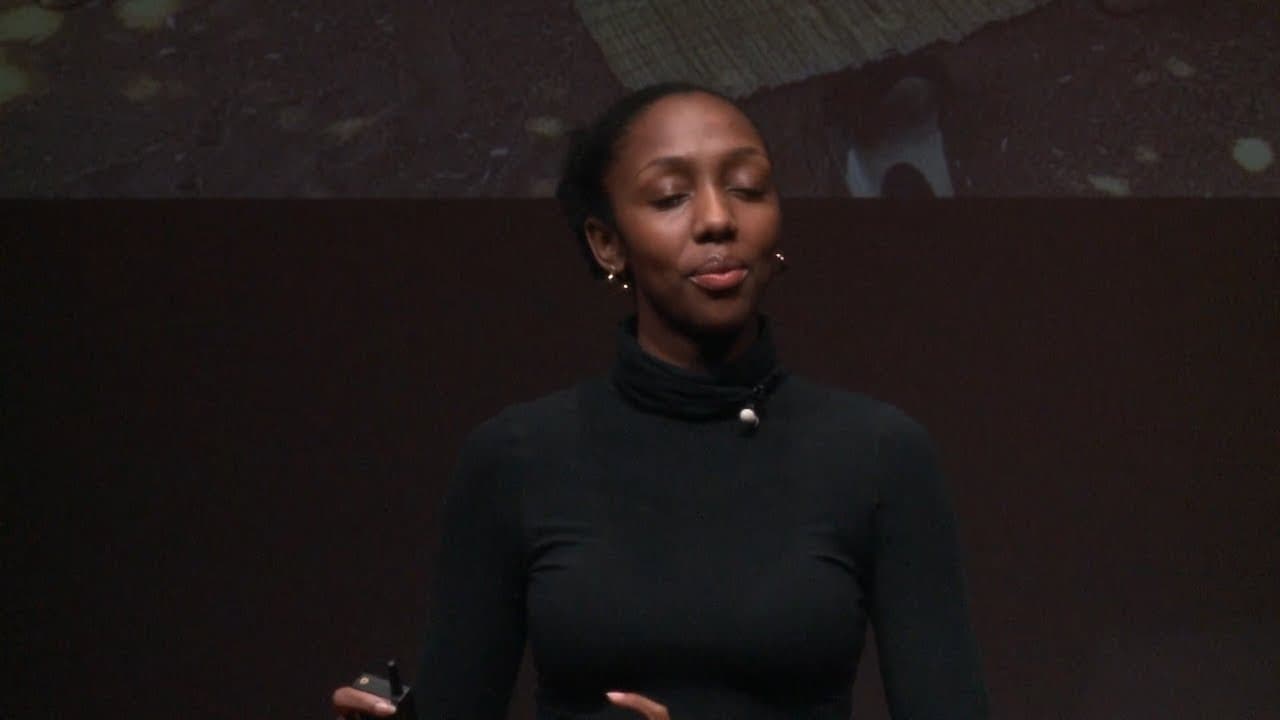
Nokuzola Ncube shares her journey from Stanford to rural Zimbabwe, highlighting the challenges and insights gained from balancing formal education with indigenous knowledge. Her story emphasizes the importance of integrating diverse educational experiences to empower women and girls, ultimately leading her to pursue a new path in health science.
Transcript
what is considered education I'm shaking eyes darting back and forth I'm nervous to my right Canada's ambassador to the United Nations in New York across the table the executive director of the United Nations population fund and me Canada's girl Ambassador I'm nervous I'm shaking and I can tell that everyone around me is excited and then it Dawns o... Read More
Key Insights
- Nokuzola Ncube was a Canadian girl ambassador at the United Nations, inspired by international education policy.
- She aimed to study International Education Policy Analysis at Stanford University.
- A visit to Zimbabwe revealed the daily struggles and resilience of rural communities.
- In rural Zimbabwe, she formed a community discussing education and gender issues.
- Accepted to Stanford, she began studies virtually due to COVID-19, from a rural setting.
- Financial and logistical challenges led her to drop out of Stanford before completing her degree.
- Immersing in African indigenous knowledge systems offered her new perspectives and hope.
- She restarted her education in Canada, blending science and community-driven goals.
Install to Summarize YouTube Videos and Get Transcripts
Explore YouTube Video Summarizer or Get YouTube Transcript Extractor
Questions & Answers
Q: How did Nokuzola Ncube's experience at the United Nations influence her educational goals?
Nokuzola Ncube's experience at the United Nations as a Canadian girl ambassador inspired her to pursue a master's degree in International Education Policy Analysis at Stanford University. The exposure to international education policy discussions reinforced her belief in the power of education to create positive change, particularly for women and girls globally.
Q: What challenges did Ncube face while studying from rural Zimbabwe?
While studying virtually from rural Zimbabwe during the COVID-19 pandemic, Nokuzola Ncube encountered significant challenges, including the need for solar power to charge her laptop and limited internet connectivity. These logistical hurdles, coupled with financial constraints, ultimately led her to drop out of Stanford before completing her degree.
Q: How did Ncube's time in rural Zimbabwe shape her perspective on education?
Ncube's time in rural Zimbabwe allowed her to engage with local communities and understand the daily realities faced by women and girls. This experience highlighted the importance of integrating indigenous knowledge systems with formal education, leading her to value diverse educational approaches that empower individuals and communities.
Q: Why did Nokuzola Ncube drop out of Stanford University?
Nokuzola Ncube dropped out of Stanford University due to the financial and logistical challenges of studying remotely from rural Zimbabwe. Despite her academic success, the difficulties of maintaining virtual attendance and the lack of resources made it untenable for her to continue her studies at that time.
Q: What role did African indigenous knowledge systems play in Ncube's journey?
African indigenous knowledge systems played a crucial role in Ncube's journey by providing her with new perspectives and a deeper understanding of the cyclical nature of life. Immersing herself in these systems offered her hope and direction, ultimately influencing her decision to pursue a different educational path in health science.
Q: How did Ncube continue her education after leaving Stanford?
After leaving Stanford, Nokuzola Ncube returned to Canada and restarted her formal education at Western University, pursuing a master's of science in health science. This new academic focus was informed by her experiences in Zimbabwe and her desire to blend scientific knowledge with community-driven goals.
Q: What impact did Ncube's community work in Zimbabwe have on her future goals?
Ncube's community work in Zimbabwe had a profound impact on her future goals, as it reinforced the importance of grassroots efforts in education and empowerment. The insights gained from these experiences inspired her to source scientific equipment for laboratories, aiming to support educational initiatives that benefit women and girls.
Q: What is the main message of Nokuzola Ncube's journey?
The main message of Nokuzola Ncube's journey is the significance of integrating formal education with indigenous knowledge systems to empower women and girls. Her story emphasizes the value of diverse educational experiences and the potential for community-driven approaches to create meaningful change in the world.
Summary & Key Takeaways
-
Nokuzola Ncube's journey from Stanford to rural Zimbabwe reveals the complex interplay between formal education and indigenous knowledge. Her experiences in Zimbabwe highlighted the daily challenges faced by rural communities, prompting her to reconsider her educational path. Despite dropping out of Stanford, she found new purpose by integrating traditional knowledge systems with her academic pursuits.
-
While studying virtually from rural Zimbabwe during COVID-19, Ncube faced financial and logistical hurdles, eventually leading to her decision to leave Stanford. This pivotal moment redirected her towards embracing African indigenous knowledge systems, which provided her with a renewed sense of purpose and community engagement.
-
Returning to Canada, Ncube continued her education in health science, driven by the insights and community connections formed in Zimbabwe. Her story underscores the value of diverse educational experiences in empowering women and girls, blending formal and informal learning to create meaningful change.
Read in Other Languages (beta)
Share This Summary 📚
Summarize YouTube Videos and Get Video Transcripts with 1-Click
Try YouTube Summary with ChatGPT & Claude or YouTube Transcript Generator
Explore More Summaries from TEDx Talks 📚
Summarize YouTube Videos and Get Video Transcripts with 1-Click
Try YouTube Summary with ChatGPT & Claude or YouTube Transcript Generator