Have you ever had ecotherapy? 6 Minute English
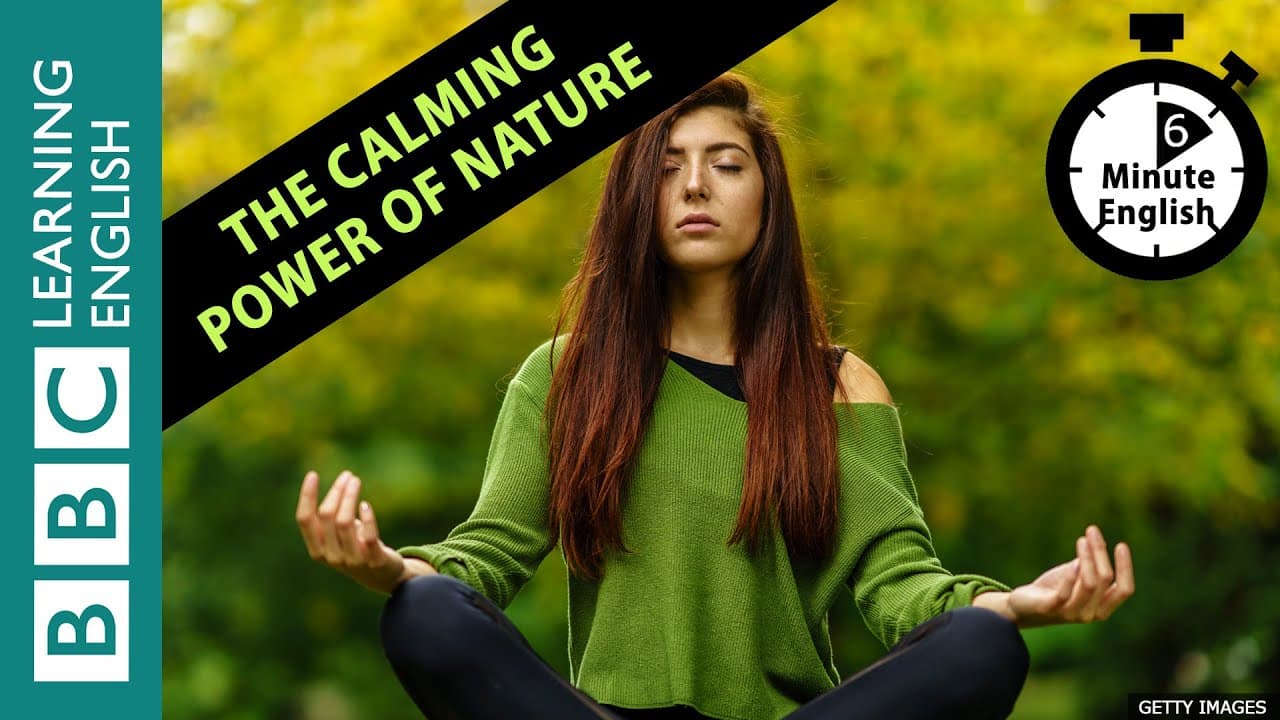
TL;DR
Ecotherapy uses nature to improve mental health.
Transcript
Neil: Hello, this is 6 Minute English. I'm Neil. Georgina: And I'm Georgina. Neil: Georgina, what do you do to cheer yourself up? Georgina: Having a walk usually helps - especially if it's in the countryside. Neil: Yes, being in all the green open space can certainly help us relax and de-stress - getting back to nature can be a tonic when you're fe... Read More
Key Insights
- Ecotherapy involves engaging in outdoor activities to enhance mental health, offering a non-medical approach to therapy.
- Activities such as gardening and outdoor yoga are part of ecotherapy, fostering a connection with nature.
- Ecotherapy is not a cure-all but a tool that can complement other therapeutic methods to improve mental well-being.
- The concept of biophilia suggests humans have an innate connection to nature, promoting positive emotions when exposed to natural environments.
- Urban living often leads to mental fatigue, which can be alleviated by spending time in natural settings.
- Nature provides a mental break, reducing the constant alertness required in urban environments and allowing relaxation.
- The tallest tree, named Hyperion, is a redwood found in California, standing at 115.8 meters.
- Key vocabulary includes 'tonic', 'horticulture', 'panacea', 'therapeutic', 'biophilia', and 'innate', each relating to aspects of ecotherapy.
Install to Summarize YouTube Videos and Get Transcripts
Explore YouTube Video Summarizer or Get YouTube Transcript Extractor
Questions & Answers
Q: What is ecotherapy?
Ecotherapy is a therapeutic approach that involves engaging in outdoor activities to improve mental health. It aims to foster a connection with nature, offering a non-medical alternative to traditional therapy methods. Activities like gardening and yoga are common forms of ecotherapy, promoting relaxation and positive emotions.
Q: How does ecotherapy differ from traditional therapy?
Unlike traditional therapy, which often involves medication or indoor sessions, ecotherapy focuses on outdoor activities to enhance mental well-being. It is not a cure-all but serves as a complementary tool in a therapist's toolbox, helping to improve mental health through natural engagement and connection.
Q: What is biophilia, and how does it relate to ecotherapy?
Biophilia is the innate positive response humans have towards life and nature. It suggests that people are born with a natural affinity for the natural world, which can evoke positive emotions and reduce negative feelings. In ecotherapy, biophilia is leveraged to enhance mental well-being by connecting individuals with nature.
Q: What are some activities involved in ecotherapy?
Ecotherapy encompasses a variety of outdoor activities designed to connect individuals with nature. Common activities include gardening, outdoor yoga, art in nature, and running on beaches. These activities are therapeutic, promoting mental relaxation and a healthier state of mind without the use of medication.
Q: Why is ecotherapy considered beneficial for mental health?
Ecotherapy is beneficial for mental health because it allows individuals to engage with nature, which can reduce stress and promote relaxation. Nature provides a mental break from the constant alertness required in urban environments, helping to alleviate mental fatigue and fostering positive emotions through the innate human-nature connection.
Q: What is the significance of the tallest tree in the context of the discussion?
The tallest tree, Hyperion, serves as a metaphor for the grandeur and calming presence of nature. Standing at 115.8 meters, it exemplifies the awe-inspiring aspects of the natural world that ecotherapy seeks to harness. The tree's height symbolizes the potential of nature to elevate mental well-being and provide a sense of peace.
Q: What is the role of vocabulary in understanding ecotherapy?
Vocabulary plays a crucial role in understanding ecotherapy by providing the terminology needed to describe its concepts and benefits. Words like 'tonic', 'horticulture', 'panacea', 'therapeutic', 'biophilia', and 'innate' help articulate the therapeutic processes and the intrinsic human connection to nature, enhancing comprehension of ecotherapy's impact.
Q: How does urban life affect mental health, and how can ecotherapy help?
Urban life often leads to mental fatigue due to the constant need for alertness and the lack of natural environments. Ecotherapy helps by providing a mental break, allowing individuals to relax and recharge in nature. This exposure to natural settings can alleviate the negative symptoms associated with urban living, promoting mental well-being.
Summary & Key Takeaways
-
Ecotherapy is a therapeutic approach that involves engaging with nature to improve mental health. It includes activities like gardening and yoga, emphasizing the development of a relationship with the natural world. While not a cure-all, it serves as a valuable tool in mental health treatment.
-
Research suggests that urban living can lead to mental fatigue, which ecotherapy can help alleviate by providing a mental break. The innate connection humans have with nature, known as biophilia, promotes positive emotions and reduces urban stress when people spend time outdoors.
-
The tallest tree, Hyperion, is a redwood located in California and measures 115.8 meters. The discussion also covers vocabulary related to ecotherapy, such as 'tonic', 'horticulture', 'panacea', 'therapeutic', 'biophilia', and 'innate', highlighting their relevance to mental well-being.
Read in Other Languages (beta)
Share This Summary 📚
Summarize YouTube Videos and Get Video Transcripts with 1-Click
Try YouTube Summary with ChatGPT & Claude or YouTube Transcript Generator
Explore More Summaries from BBC Learning English 📚

Summarize YouTube Videos and Get Video Transcripts with 1-Click
Try YouTube Summary with ChatGPT & Claude or YouTube Transcript Generator