The Winner Effect by Ian Robertson Audiobook | Summary in Detail
TL;DR
Winning alters brain chemistry, boosting future success.
Transcript
Read and summarize the transcript of this video on Glasp Reader (beta).
Key Insights
- Winning triggers a release of dopamine, enhancing motivation and creating a positive feedback loop for future successes.
- The winner effect increases testosterone, boosting assertiveness and competitiveness, which leads to a higher likelihood of taking on challenges.
- Success boosts self-esteem and confidence, fundamentally altering how individuals approach goals and perceive their potential.
- Winning can lead to overconfidence and risk-taking, potentially resulting in negative consequences if not managed properly.
- The winner effect influences social interactions, elevating individuals to leadership roles and impacting societal norms and expectations.
- Neuroplastic changes occur with repeated success, strengthening neural connections and enhancing cognitive functions related to winning.
- Winning can improve stress resilience, enhancing the ability to cope with adversity and maintain high performance.
- Confidence from winning enhances performance, but overconfidence can lead to poor decision-making and ethical lapses.
Install to Summarize YouTube Videos and Get Transcripts
Explore YouTube Video Summarizer or Get YouTube Transcript Extractor
Questions & Answers
Q: How does winning affect brain chemistry?
Winning affects brain chemistry by triggering a release of dopamine, a neurotransmitter associated with pleasure and reward. This creates a sense of euphoria and satisfaction, enhancing motivation and confidence. Additionally, winning increases testosterone levels, boosting assertiveness and competitiveness, which can lead to further successes.
Q: What is the psychological impact of the winner effect?
Psychologically, the winner effect boosts self-esteem and confidence, fundamentally altering how individuals approach goals and perceive their potential. This heightened self-belief can lead to a positive feedback loop where success breeds more success, but it can also result in overconfidence and risk-taking if not managed properly.
Q: How does the winner effect influence social interactions?
The winner effect influences social interactions by elevating individuals to leadership roles and impacting societal norms and expectations. Successful individuals often gain influence and authority, which can enhance their opportunities for success. However, this elevated status can also lead to changes in social dynamics, potentially causing isolation or alienation.
Q: What are the potential downsides of the winner effect?
Potential downsides of the winner effect include overconfidence and risk-taking, which can result in negative consequences if not managed properly. The psychological and physiological changes associated with success can lead to arrogance, poor decision-making, and ethical lapses. It's important to balance success with self-awareness and ethical behavior.
Q: How does winning affect neuroplasticity?
Winning affects neuroplasticity by stimulating changes that strengthen neural connections related to successful behaviors and strategies. This means the brain becomes more efficient at executing actions that led to victory, enhancing current capabilities and laying the groundwork for future achievements. This adaptability is key to continued success.
Q: What role does confidence play in the winner effect?
Confidence plays a crucial role in the winner effect by enhancing performance. Confident individuals are more likely to set ambitious goals, take calculated risks, and persist through challenges. This self-belief creates a positive feedback loop where confidence leads to better performance, reinforcing and boosting further confidence.
Q: How can individuals manage the challenges associated with the winner effect?
To manage the challenges associated with the winner effect, individuals should maintain self-awareness, seek feedback, and focus on continuous personal growth. Setting realistic goals, celebrating small successes, and maintaining a growth mindset can help balance the demands of success and avoid the pitfalls of overconfidence and ethical lapses.
Q: What strategies does Robertson suggest for maintaining a balanced perspective on success?
Robertson suggests strategies such as self-reflection, setting boundaries, and seeking balance between personal and professional life. Maintaining genuine relationships and a strong support network can help individuals manage the complexities of success. Emphasizing humility, ethical behavior, and resilience can lead to sustainable and balanced achievements.
Summary & Key Takeaways
-
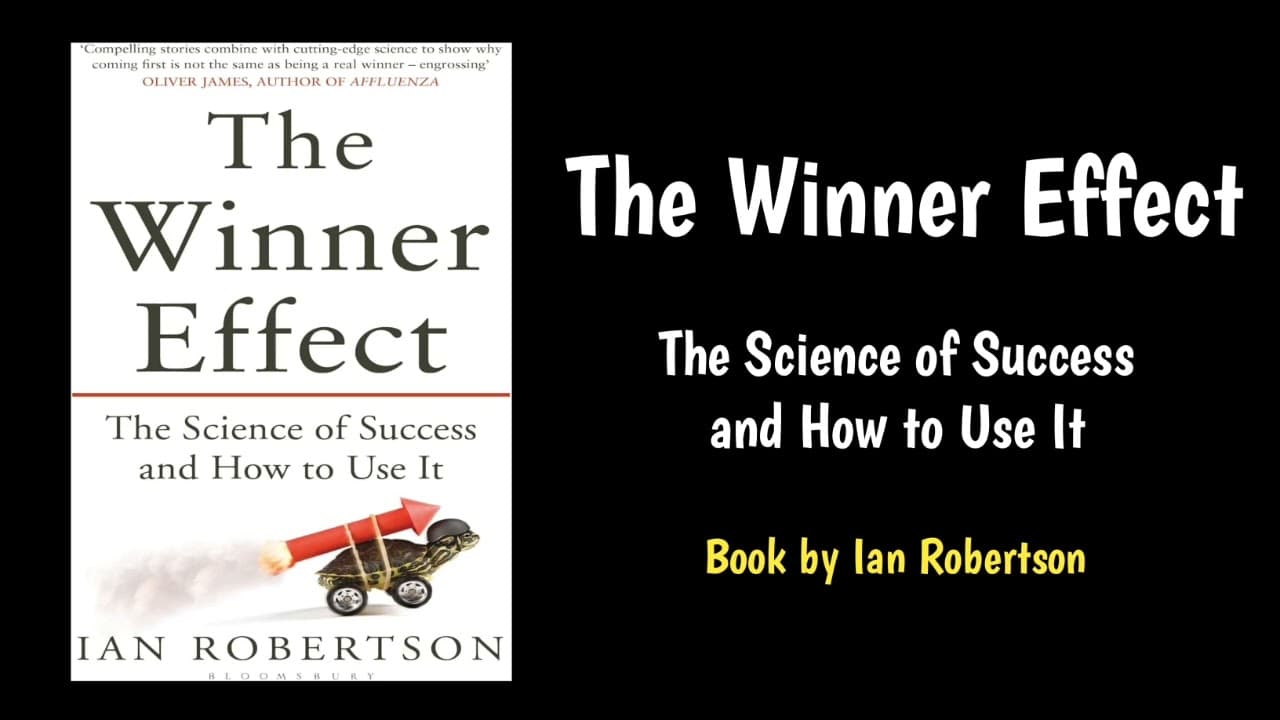
Ian Robertson's 'The Winner Effect' explores how winning affects brain chemistry, enhancing motivation and future performance through dopamine and testosterone. The book delves into the neuroscience behind success and its psychological implications, highlighting both positive and negative aspects of winning.
-
The winner effect not only boosts self-esteem and confidence but also influences social dynamics, elevating individuals to leadership roles and impacting societal norms. Robertson discusses how success can lead to overconfidence and risk-taking, potentially resulting in negative consequences.
-
Neuroplasticity plays a role in the winner effect, with repeated success strengthening neural connections and enhancing cognitive functions. The book emphasizes the importance of balancing success with self-awareness and ethical behavior to avoid the pitfalls of overconfidence and maintain well-being.
Read in Other Languages (beta)
Share This Summary 📚
Summarize YouTube Videos and Get Video Transcripts with 1-Click
Try YouTube Summary with ChatGPT & Claude or YouTube Transcript Generator