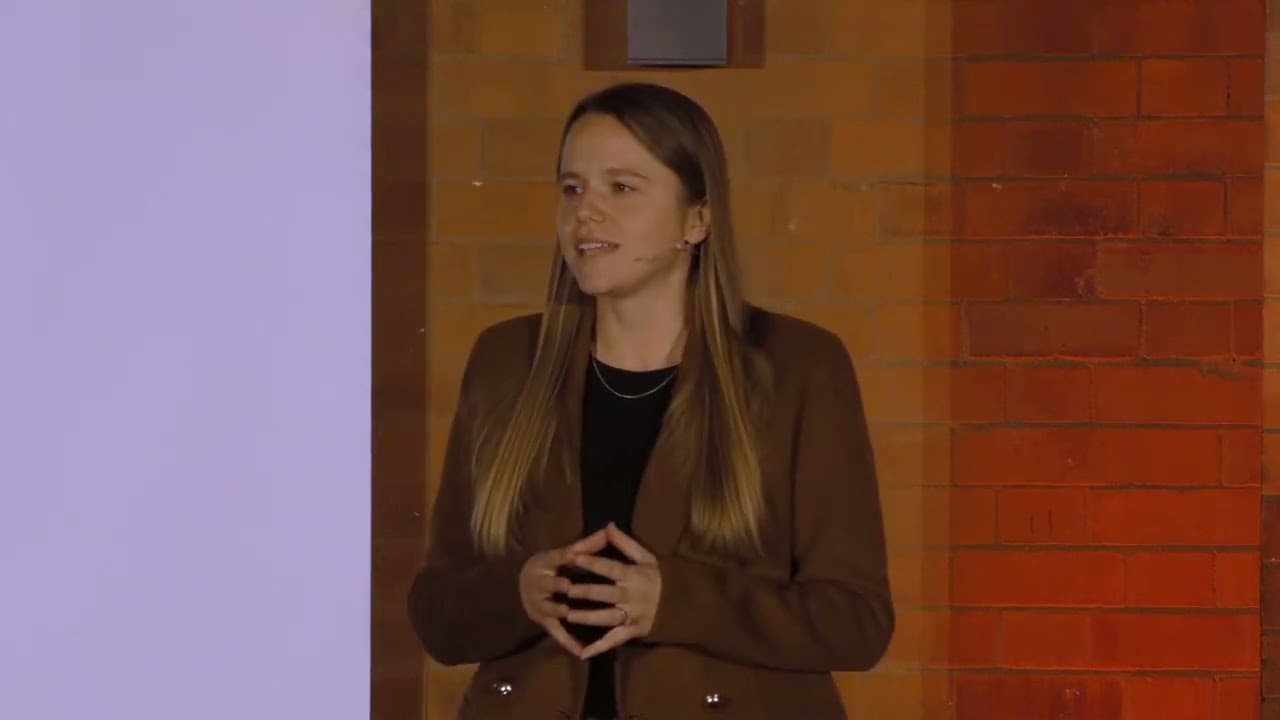
Changing the world with visual media ethics | Savannah Dodd | TEDxQueensUniversityBelfast
TL;DR
Visual media ethics is about understanding the power of images in shaping our perception of the world and choosing to use that power responsibly.
Transcript
I'd like you to think of a time when you saw a photograph that made you uncomfortable maybe it was a photograph from an international crisis or a humanitarian catastrophe maybe it was a photograph you saw on social media or maybe it was a photograph that you took and you later regretted do you have that image in your mind okay good hang on to it no... Read More
Key Insights
- 🤯 Visual media shapes our perception of the world by adding data points to our minds.
- 👥 Dominant images can limit our understanding and empathy towards certain groups.
- 😫 Expanding the data set through ethical visual media can promote inclusivity and connection among diverse backgrounds.
- 🫡 Visual media ethics require respect, consent, and portrayals of dignity.
- ✊ The power of visual media can be used for both detrimental and positive effects.
- 🔉 Challenging stereotypes and broadening knowledge through visual media can create a more empathetic society.
- 🥺 Cultivating a culture of visual media ethics can lead to a better world.
Install to Summarize YouTube Videos and Get Transcripts
Explore YouTube Video Summarizer or Get YouTube Transcript Extractor
Questions & Answers
Q: How does visual media shape our perception of the world?
Visual media adds data points to our minds, allowing us to form images and ideas about people, places, and communities. The images we see shape what we know and how we understand the world.
Q: What impact can a narrow data set of images have on our understanding of certain groups?
A narrow data set of images, such as only seeing children in Africa when they are in need, limits our understanding and empathy towards them. We fail to recognize the diversity and complexities of their lives.
Q: How can a broad data set of images benefit our understanding of the world?
A broad data set of images shows different aspects of a place, lived experiences within a community, and diverse perspectives on a topic. This expands our knowledge and helps us better understand and relate to the world around us.
Q: Who has a responsibility in visual media ethics?
Visual media ethics is a shared responsibility. Everyone who views, makes, and shares visual media has an active role in choosing what the viewer gets to know about the represented person, place, or community.
Summary & Key Takeaways
-
Visual media shapes our understanding of people, places, and communities by adding data points to our minds.
-
The dominant images we see of certain groups can limit our understanding and empathy towards them.
-
Expanding the data set through diverse and ethical visual media can help us better understand the world.
Read in Other Languages (beta)
Share This Summary 📚
Summarize YouTube Videos and Get Video Transcripts with 1-Click
Try YouTube Summary with ChatGPT & Claude or YouTube Transcript Generator
Explore More Summaries from TEDx Talks 📚




Summarize YouTube Videos and Get Video Transcripts with 1-Click
Try YouTube Summary with ChatGPT & Claude or YouTube Transcript Generator