Does Brazil Have a Real Problem? | The Corona Correction | Refinitiv
TL;DR
Brazil's economic recovery after a prolonged recession is hindered by high debt and political turmoil, while opportunities lie in agricultural commodity exports and strengthened trade relations with China.
Transcript
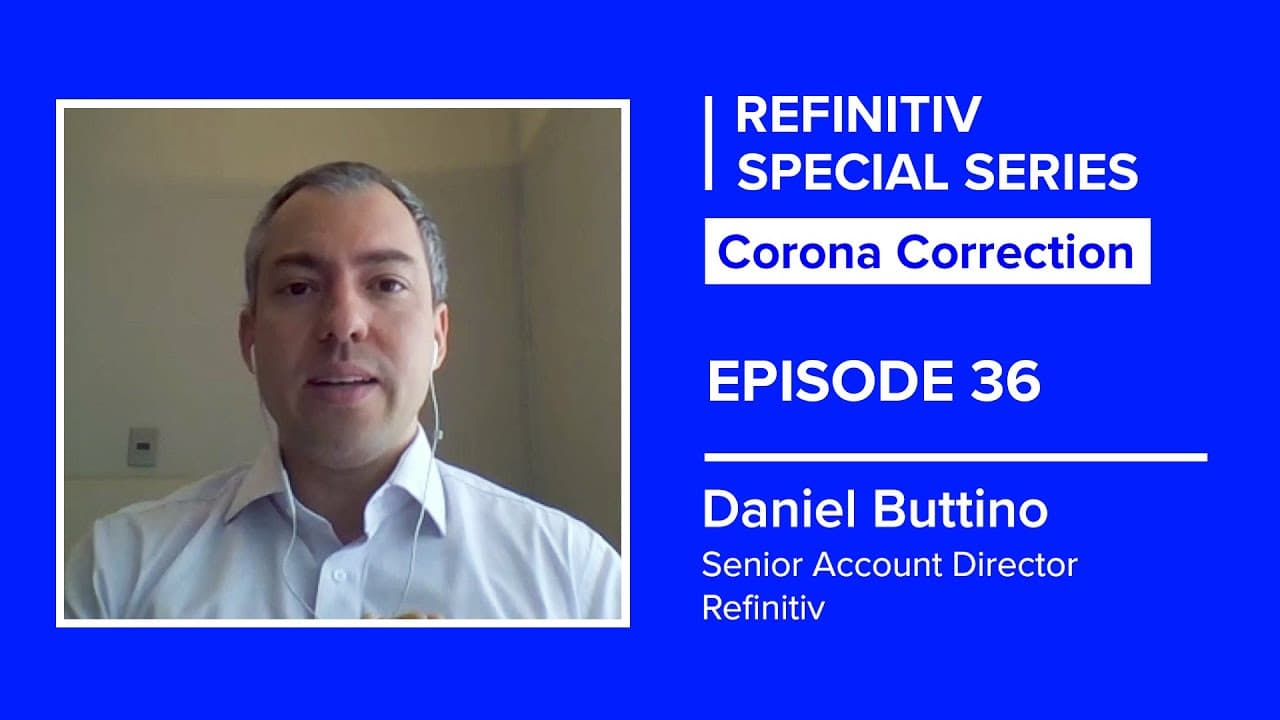
Welcome to the Corona Correction Series in association with Refinitiv, I'm your host Roger Hirst. Brazil has had a roller coaster ride over the last few years. A prolonged recession was followed by the election of a reformist leadership that helped the local equity market surge to a new all-time high. Although the local currency weakness offset muc... Read More
Key Insights
- ✋ Brazil's economic recovery has been hindered by its high public debt, which has been further exacerbated by the COVID-19 crisis.
- 💱 The Bolsonaro administration's focus on economic reforms is challenged by the changing political landscape and increased opposition.
- 😘 Agricultural commodities, which account for a significant portion of Brazil's GDP and exports, present opportunities amidst low commodity prices and shipping rates.
- 🖐️ Strengthening trade relations with China and taking advantage of export opportunities can play a role in reviving Brazil's economy.
- 🪡 The Brazilian equity market has been greatly impacted by the crisis, highlighting the need for economic recovery measures.
- 🦡 Despite challenges, market sentiment suggests that the worst may be over and recovery is possible.
- 🥺 The reduction in interest rates by the Brazilian central bank has stimulated the economy but has also led to capital outflows and a devalued Brazilian real.
Install to Summarize YouTube Videos and Get Transcripts
Explore YouTube Video Summarizer or Get YouTube Transcript Extractor
Questions & Answers
Q: How has Brazil's high debt affected its economy, especially during the COVID-19 crisis?
Brazil's debt-to-GDP ratio, which is already high compared to its peers, has increased due to the economic measures taken to combat COVID-19. This adds to the fiscal challenges and hampers economic recovery.
Q: How has the political situation in Brazil changed after COVID-19, and how does it impact economic reforms?
The political situation in Brazil has become more challenging, with increased opposition to the Bolsonaro administration. This makes it difficult to approve additional economic reforms and adds to the existing political turmoil.
Q: What is the expected decrease in Brazil's GDP for 2020, and is there hope for recovery?
While the IMF projects a 9% decrease in Brazil's GDP for 2020, market sentiment and official reports suggest a decrease of around 6.5%. Some analysts believe that the worst is already behind, indicating potential for recovery.
Q: How has the Brazilian central bank tried to stimulate the economy, and what has been the impact on the Brazilian real?
The Brazilian central bank has significantly reduced the reference interest rate, reaching a historical low of 2.25%. This has led to capital outflows and a devaluation of the Brazilian real by approximately 30% against the U.S. dollar.
Summary & Key Takeaways
-
Brazil experienced a recession from 2014 to 2017, followed by a slow recovery, but COVID-19 has further impacted its economy.
-
Brazil's high public debt, combined with the economic measures taken to combat COVID-19, poses fiscal challenges.
-
The Bolsonaro administration's focus on structural economic reforms is hindered by the changing political landscape and opposition.
Read in Other Languages (beta)
Share This Summary 📚
Summarize YouTube Videos and Get Video Transcripts with 1-Click
Try YouTube Summary with ChatGPT & Claude or YouTube Transcript Generator
Explore More Summaries from Real Vision 📚

Summarize YouTube Videos and Get Video Transcripts with 1-Click
Try YouTube Summary with ChatGPT & Claude or YouTube Transcript Generator