How the Unlocking the Severn project is helping fish return to breed
TL;DR
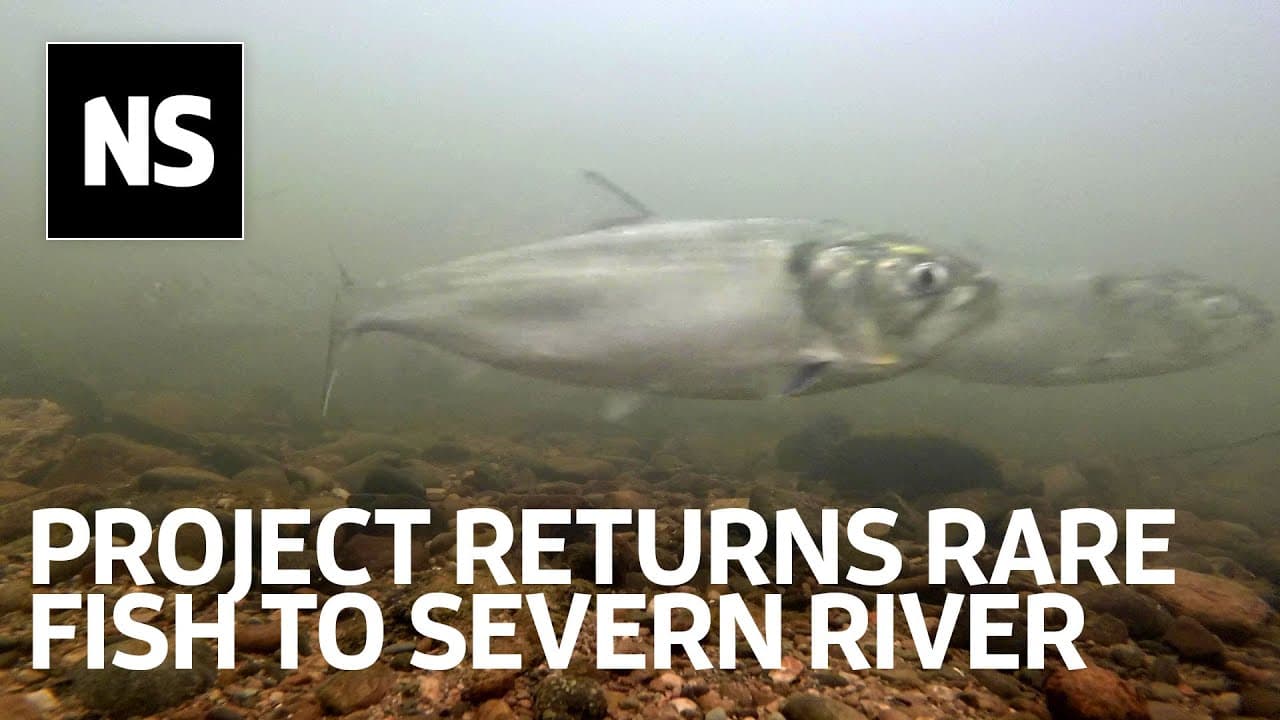
Fish passes and acoustic telemetry are being used to restore fish migration and reconnect habitats on the River Severn.
Transcript
foreign was designed to get an endangered species the Tweet Shad back up to its historic spawning grounds up on the Welsh borders if you have a barrier across a river like it like a weir it acts like a brick wall so they're trapped Downstream from where they actually want to go to so the unlocking part is literally building these fish passes on the... Read More
Key Insights
- 🐟 Fish passes are vital for restoring fish migration and reconnecting river habitats.
- 💁 Acoustic tagging and telemetry provide valuable information on fish movement and passage success.
- 🐟 eDNA sampling offers a non-invasive method to assess biodiversity and fish presence in rivers.
- 🪛 Restoring rivers to their natural state requires removing weirs and reestablishing crucial habitats.
- 🧑🔬 Collaborative efforts involving volunteers, scientists, and stakeholders are crucial for successful river restoration projects.
- 💁 Understanding the impacts of fish passes on biodiversity helps improve techniques and inform conservation efforts.
- 🐟 The movement of fish contributes to the dynamic nature of rivers and supports ecosystems.
Install to Summarize YouTube Videos and Get Transcripts
Explore YouTube Video Summarizer or Get YouTube Transcript Extractor
Questions & Answers
Q: Why do fish need fish passes to migrate upstream?
Fish passes are necessary because weirs across rivers act as barriers, trapping fish downstream and preventing them from reaching their preferred spawning grounds. Fish passes provide a way for fish to bypass these barriers and continue their migration.
Q: How do fish passes work?
Fish passes consist of a series of pools that provide a gradual ascent for fish. The pools rise by 20 centimeters each, allowing fish to rest if needed. By the time fish reach the top of the fish pass, they have risen to the height of the weir, effectively bypassing it.
Q: What is the significance of acoustic tagging and telemetry?
Acoustic tags are used to track the movement of fish as they navigate through the fish passes. Acoustic receivers placed along the river detect the tags, allowing researchers to understand the migration patterns and success of fish passage. Telemetry data helps assess the efficiency of fish passes and their impact on fish populations.
Q: How does eDNA help in understanding fish migration?
Environmental DNA (eDNA) sampling involves collecting water samples to detect the presence of DNA shed by fish. By analyzing the eDNA, researchers can determine the species present in an area and understand fish migration patterns. This technique helps assess biodiversity without traditional tracking methods.
Summary & Key Takeaways
-
Fish passes are being built on the River Severn to help endangered species, such as the Tweet Shad, reach their historic spawning grounds.
-
Fish passes consist of a series of pools that allow fish to gradually move upstream, rising by 20 centimeters in each pool.
-
Acoustic tags and telemetry are used to track the movement of fish and assess the effectiveness of fish passes in restoring fish migration.
Read in Other Languages (beta)
Share This Summary 📚
Summarize YouTube Videos and Get Video Transcripts with 1-Click
Try YouTube Summary with ChatGPT & Claude or YouTube Transcript Generator
Explore More Summaries from New Scientist 📚


Summarize YouTube Videos and Get Video Transcripts with 1-Click
Try YouTube Summary with ChatGPT & Claude or YouTube Transcript Generator