The Right Way to Invest in Real Estate During a Recession
TL;DR
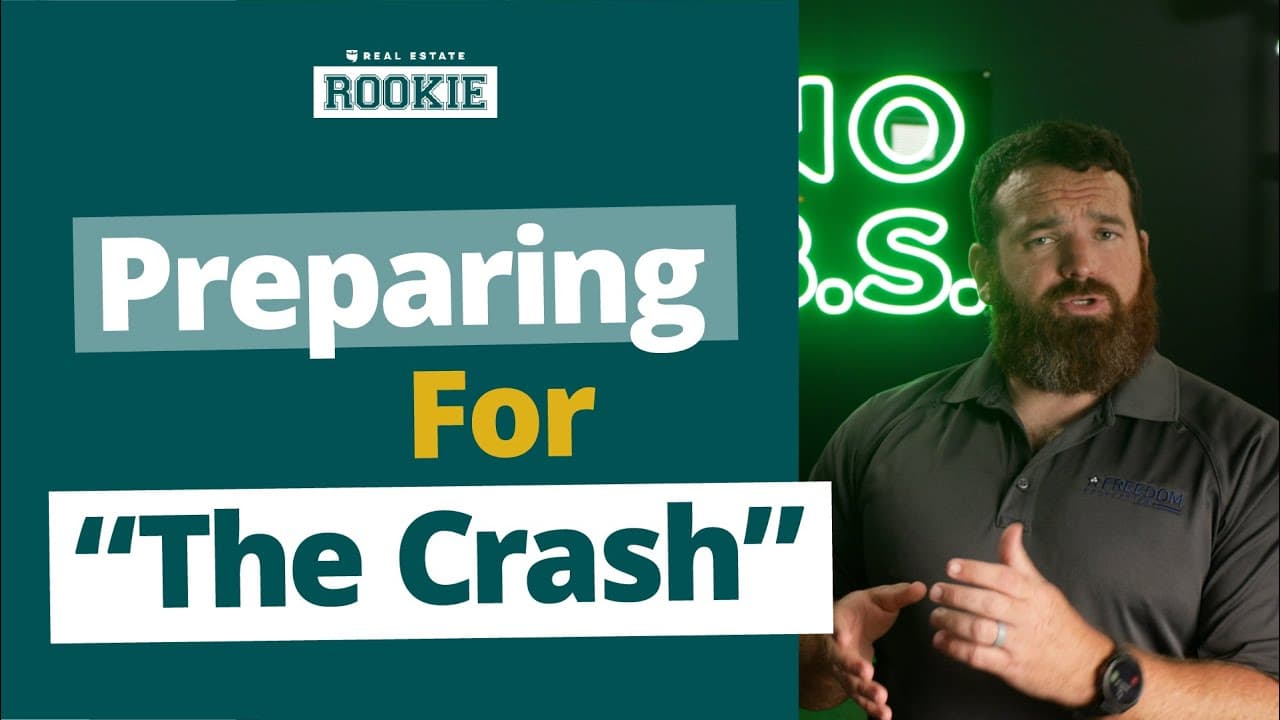
Learn strategies to mitigate real estate investment risks during a recession.
Transcript
what's up BiggerPockets I'm Dave and today we're going to talk about hedging your risk going into a recession or really just hedging your risk in general now I must make the disclosure disclaimer whatever here that I'm not super old and haven't been investing in real estate long enough to really have gone through a million recessions or even really... Read More
Key Insights
- Minimizing downside risk and maximizing potential upside is crucial in any investment, especially during a recession.
- Adopting strategies like house hacking can help investors reduce living expenses and reinvest savings.
- Setting clear investment criteria and adhering to them ensures better decision-making and risk management.
- Maintaining cash reserves is essential for covering unexpected expenses and ensuring property longevity.
- Understanding loan terms, including interest rates and balloon payments, is vital for managing financial risk.
- Budgeting for capital expenditures and vacancies prevents financial strain and supports long-term property maintenance.
- Consideration of adjustable rate mortgages with caps can offer better terms while managing interest rate risks.
- Outsourcing property management can ensure efficient maintenance and reduce operational burdens for investors.
Install to Summarize YouTube Videos and Get Transcripts
Explore YouTube Video Summarizer or Get YouTube Transcript Extractor
Questions & Answers
Q: How can investors minimize risks during a recession?
Investors can minimize risks during a recession by adopting strategies like house hacking, which reduces living expenses and allows reinvestment of savings. Additionally, maintaining cash reserves ensures coverage for unexpected expenses, and setting clear investment criteria helps in making informed decisions without overpaying for properties.
Q: What role do cash reserves play in real estate investing?
Cash reserves are crucial in real estate investing as they provide a financial cushion for unexpected expenses, such as repairs or tenant vacancies. Having sufficient reserves ensures that investors can maintain their properties and meet financial obligations, thereby reducing the risk of financial distress during challenging economic times.
Q: Why is understanding loan terms important for investors?
Understanding loan terms, including interest rates, amortization schedules, and balloon payments, is essential for investors to manage financial risk effectively. Knowledge of these terms helps investors avoid unfavorable conditions, such as unexpected refinancing requirements or interest rate increases, which can impact cash flow and long-term investment success.
Q: How can investors ensure they are not overpaying for properties?
Investors can avoid overpaying for properties by setting clear investment criteria and adhering to them. This includes using metrics like the one percent rule to evaluate potential deals and making offers that align with their financial goals. Understanding market conditions and not expanding criteria to fit deals are also crucial strategies.
Q: What are the benefits of outsourcing property management?
Outsourcing property management offers several benefits, including efficient maintenance and repairs, streamlined operations, and reduced operational burdens for investors. Professional property managers ensure that properties are well-maintained, which supports long-term investment success and allows investors to focus on strategic growth and portfolio expansion.
Q: What is the significance of budgeting for capital expenditures and vacancies?
Budgeting for capital expenditures and vacancies is significant because it prevents financial strain and ensures long-term property maintenance. By allocating funds for expected expenses like roof replacements and accounting for potential vacancies, investors can maintain cash flow stability and avoid depleting reserves for routine property needs.
Q: How can adjustable rate mortgages benefit investors?
Adjustable rate mortgages can benefit investors by offering better introductory terms and flexibility, especially when they come with interest rate caps. These caps limit the potential increase in interest rates, allowing investors to manage cash flow more effectively and reduce the risk of financial strain due to fluctuating market conditions.
Q: What strategies can investors use to manage financial risk in real estate?
Investors can manage financial risk in real estate by maintaining cash reserves, understanding loan terms, and adhering to investment criteria. Strategies like house hacking, budgeting for capital expenditures, and outsourcing property management also help mitigate risks. Additionally, using adjustable rate mortgages with caps can offer favorable terms while managing interest rate fluctuations.
Summary & Key Takeaways
-
Investing in real estate during a recession requires careful risk management, including strategies like house hacking and maintaining cash reserves. Understanding market conditions and sticking to investment criteria can prevent overpaying for properties and ensure financial stability.
-
Loan terms, such as interest rates and balloon payments, should be thoroughly understood to avoid financial pitfalls. Investors should budget for capital expenditures and vacancies to ensure long-term property maintenance and financial health.
-
Outsourcing property management can alleviate operational burdens, allowing investors to focus on strategic growth. Adopting adjustable rate mortgages with caps can provide better terms while managing interest rate risks effectively.
Read in Other Languages (beta)
Share This Summary 📚
Summarize YouTube Videos and Get Video Transcripts with 1-Click
Try YouTube Summary with ChatGPT & Claude or YouTube Transcript Generator
Explore More Summaries from Real Estate Rookie 📚






Summarize YouTube Videos and Get Video Transcripts with 1-Click
Try YouTube Summary with ChatGPT & Claude or YouTube Transcript Generator