Why Toronto is wrong about Henry Dundas
TL;DR
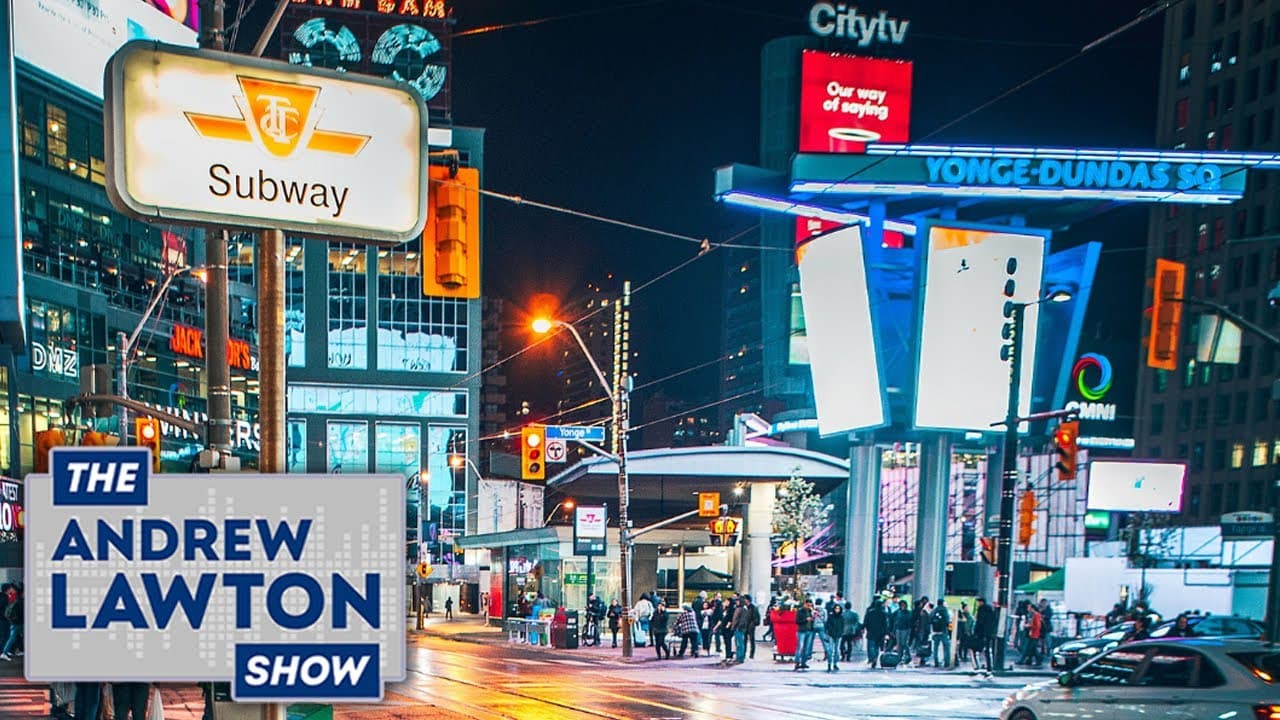
Toronto's renaming of Young Dundas Square to Sanova Square raises historical concerns about Henry Dundas.
Transcript
you're tuned in to the Andrew lton show I wanted to Pivot from British Columbia to Toronto here so uh if you've been following this Saga young Dundas Square is the like weird Canadian imitation of Time Square it's a lot smaller it's a lot less happening but now you can't call it young dund Square the city is renaming it to quote unquote sanova Squa... Read More
Key Insights
- ⚾ The renaming of Young Dundas Square to Sanova Square has divided public opinion, often based on misconstrued historical narratives.
- 🖐️ Henry Dundas played a complex role in the abolition movement; many of the claims against him stem from a misinterpretation of his legislative actions.
- ⌛ Understanding historical figures requires contextualizing their actions within the societal and political realities of their time.
- 📈 The renaming initiative reflects a trend towards reevaluating legacies and addressing historical injustices in modern society.
- 💀 Lynn McDonald's arguments illustrate the dangers of historical revisionism without thorough debate and scholarship.
- 🇨🇫 The discussion reveals tensions between recognizing historical injustices and the costs associated with contemporary political correctness, especially regarding public funds.
- 🗯️ Proponents of the name change must grapple with the historical reality that complicates straightforward narratives of right and wrong in history.
Install to Summarize YouTube Videos and Get Transcripts
Explore YouTube Video Summarizer or Get YouTube Transcript Extractor
Questions & Answers
Q: What prompted the renaming of Young Dundas Square in Toronto to Sanova Square?
The renaming initiative was sparked by a movement aimed at reassessing historical figures related to slavery and colonialism. Henry Dundas's association with delaying the abolition of slavery has led some advocates to push for his name's removal, viewing it as a necessary step toward reconciliation and addressing historical injustices.
Q: Who is Lynn McDonald, and what role does she play in this discussion?
Lynn McDonald is a professor emeritus from the University of Guelph and a former member of Parliament. She provides expertise on the controversial legacy of Henry Dundas, arguing against his maligning and bringing attention to the historical inaccuracies surrounding his actions as a committed abolitionist.
Q: What are the main historical claims against Henry Dundas that justify the name change?
Critics accuse Henry Dundas of delaying the abolition of slavery through parliamentary motions he supported. However, McDonald argues that these claims are a misinterpretation, noting that Dundas's proposed amendments were not laws and he was deeply involved in efforts that led to the abolition of slavery in Scotland.
Q: How do proponents of the name change justify their stance amidst the historical debate?
Advocates for renaming Young Dundas Square to Sanova Square contend that it reflects a proactive stance against racism and acknowledges the significant suffering caused by slavery. They believe that honoring a term that alludes to learning from the past aligns with ongoing efforts to confront historical injustices.
Q: How does Lynn McDonald contextualize the legacy of Dundas and the broader implications of renaming?
McDonald emphasizes that understanding history requires a nuanced approach. She points out that many individuals being criticized were products of their time and supports discussions that consider historical complexities rather than oversimplifying their legacies solely based on contemporary moral frameworks.
Q: Why are the financial implications of renaming Young Dundas Square a point of contention?
The financial aspect arises from the city's proposal to change signs and other updates associated with the renaming, which could cost taxpayers significantly. Critics argue that these funds would be better spent addressing pressing urban issues like homelessness and drug use in Toronto, which residents see as more urgent priorities.
Q: What larger issue does this renaming debate reflect within society today?
The renaming debate is indicative of a broader societal struggle regarding how to navigate historical narratives, identity politics, and the interpretation of legacy. It raises questions about whose histories are recognized, overshadowed, or entirely erased in efforts to create a more equitable society.
Q: What are the historical implications McDonald points out regarding the term "Sanova"?
McDonald highlights the irony in renaming Young Dundas Square to Sanova, which means "learning from the past." She notes that the name could be perceived as attempting to erase history rather than engaging with it honestly, and questions the motivations behind adopting a name associated with a culture that also had its own history with slavery.
Summary & Key Takeaways
-
The Toronto City Council's decision to rename Young Dundas Square to Sanova Square has stirred controversy, primarily based on the negative historical portrayal of Henry Dundas. Critics argue that this move is based on a misunderstanding of Dundas's legacy.
-
Historian Lynn McDonald asserts that Dundas, often accused of delaying the abolition of slavery, was in fact a committed abolitionist. She illustrates the inaccuracies behind accusations against him and addresses the historical context regarding slavery.
-
The discourse surrounding the renaming reflects broader societal issues in how history is interpreted and debated, raising questions about historical figures and the integrity of public discussions on sensitive topics like racism and legacy.
Read in Other Languages (beta)
Share This Summary 📚
Summarize YouTube Videos and Get Video Transcripts with 1-Click
Try YouTube Summary with ChatGPT & Claude or YouTube Transcript Generator
Explore More Summaries from True North 📚


Summarize YouTube Videos and Get Video Transcripts with 1-Click
Try YouTube Summary with ChatGPT & Claude or YouTube Transcript Generator