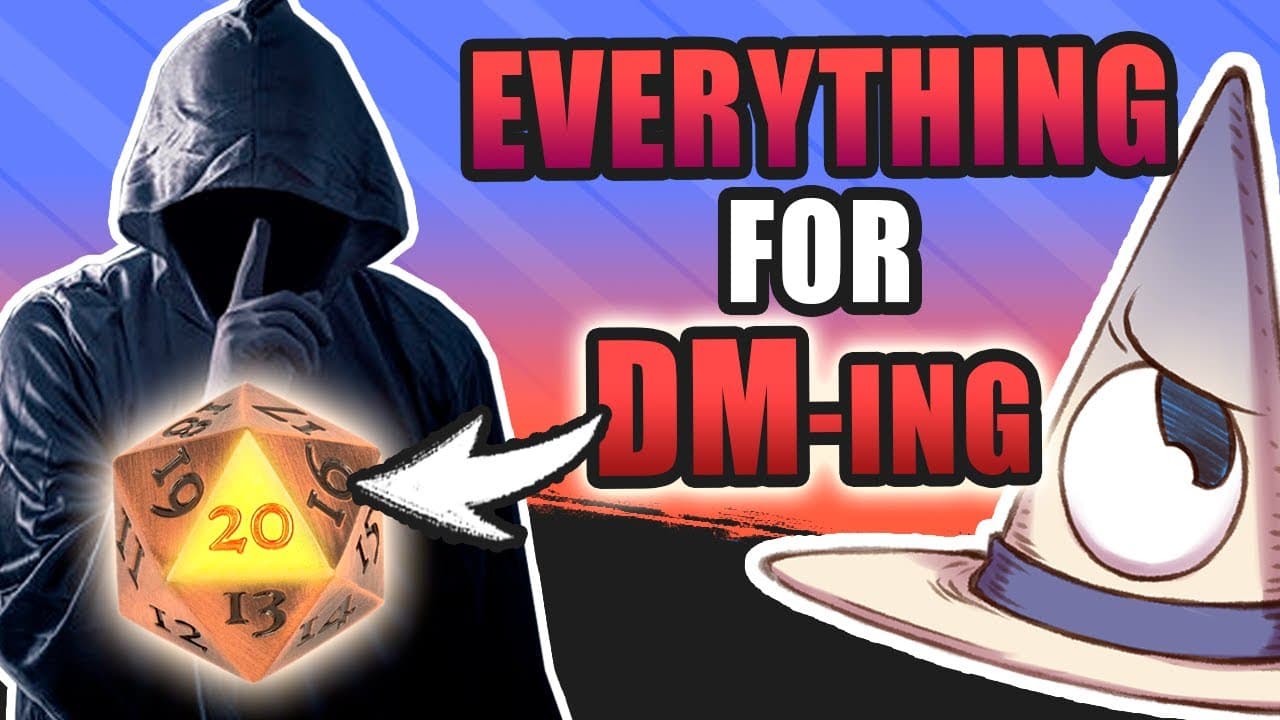
Everything you Need to Know to Run a D&D Campaign
TL;DR
Learn essential tips for starting a successful D&D campaign.
Transcript
Read and summarize the transcript of this video on Glasp Reader (beta).
Key Insights
- Starting a D&D campaign requires significant preparation from both the Dungeon Master (DM) and the players, focusing on establishing a cohesive narrative and setting expectations.
- The tone of the campaign is crucial and should be clearly defined, whether it's comedic, horrific, emotional, or epic, to ensure consistency and player engagement.
- Conceptualizing the campaign involves deciding between high and low concepts, which influences the narrative's complexity and character focus.
- World-building should be sufficient to support the campaign's concept and setting, but not so extensive that it delays gameplay.
- Introducing a central conflict early on helps provide direction and purpose, keeping players engaged and the story moving forward.
- Player involvement is essential; their characters' backstories and motivations should be integrated into the campaign to create a collaborative storytelling experience.
- Avoid over-reliance on DM-created NPCs; instead, focus on making players' characters the heroes of the story.
- Effective communication with players about their goals and expectations can enhance the campaign's narrative and ensure a satisfying experience for everyone.
Install to Summarize YouTube Videos and Get Transcripts
Explore YouTube Video Summarizer or Get YouTube Transcript Extractor
Questions & Answers
Q: What is the first step in starting a D&D campaign?
The first step in starting a D&D campaign is defining the tone. The tone sets the mood and vibe of the campaign, which can range from comedic to epic. This helps create a cohesive narrative and ensures that both the DM and players have aligned expectations for the campaign's atmosphere.
Q: Why is it important to involve players in the campaign creation?
Involving players in the campaign creation is crucial because it transforms the game from a passive storytelling experience to a collaborative one. By integrating players' backstories and motivations, the DM ensures that the campaign is engaging and personal, making players feel like the main characters in the story.
Q: How does the concept of a campaign influence its narrative?
The concept of a campaign, whether high or low, influences its narrative by determining the level of complexity and focus on characters. High concept campaigns have easily pitchable ideas that drive the story, while low concept campaigns leave more room for character exploration and development.
Q: What role does world-building play in a D&D campaign?
World-building provides the foundation for the campaign's setting and concept. It should be detailed enough to support the narrative but not so extensive that it delays gameplay. Effective world-building ensures a believable and immersive environment for players to explore and interact with.
Q: Why is establishing a conflict important in a campaign?
Establishing a conflict is important because it gives the campaign direction and purpose. A central conflict engages players by providing challenges and goals, which drives the narrative forward and keeps the story interesting and dynamic.
Q: What is the risk of over-preparing a campaign world?
The risk of over-preparing a campaign world is that it can lead to delays in starting the game. While some preparation is necessary to create a cohesive and believable setting, excessive world-building can prevent the campaign from progressing and becoming an endless task without gameplay.
Q: How can DMs ensure players are the heroes of the story?
DMs can ensure players are the heroes of the story by focusing on their characters' development and integrating their backstories into the campaign. By providing significant character moments, challenges, and triumphs, DMs can make players feel central to the narrative and invested in the story's outcome.
Q: What is the importance of communication in a D&D campaign?
Communication is vital in a D&D campaign as it helps align the DM's and players' expectations. By discussing goals, character arcs, and desired experiences, the DM can tailor the campaign to meet players' interests, ensuring a satisfying and collaborative storytelling experience for everyone involved.
Summary & Key Takeaways
-
The video discusses the essential steps for starting a D&D campaign, emphasizing the importance of preparation from both the DM and players. It highlights defining the campaign's tone, concept, setting, and conflict to ensure a cohesive narrative.
-
A significant focus is placed on the collaborative nature of D&D, where players' backstories and motivations are integrated into the campaign, making them the central characters in the story.
-
The video advises against over-preparing the world and encourages DMs to balance preparation with gameplay, ensuring that the campaign progresses smoothly and remains engaging for all participants.
Read in Other Languages (beta)
Share This Summary 📚
Summarize YouTube Videos and Get Video Transcripts with 1-Click
Try YouTube Summary with ChatGPT & Claude or YouTube Transcript Generator
Explore More Summaries from Pointy Hat 📚
Summarize YouTube Videos and Get Video Transcripts with 1-Click
Try YouTube Summary with ChatGPT & Claude or YouTube Transcript Generator