How to Survive a Nuclear Attack
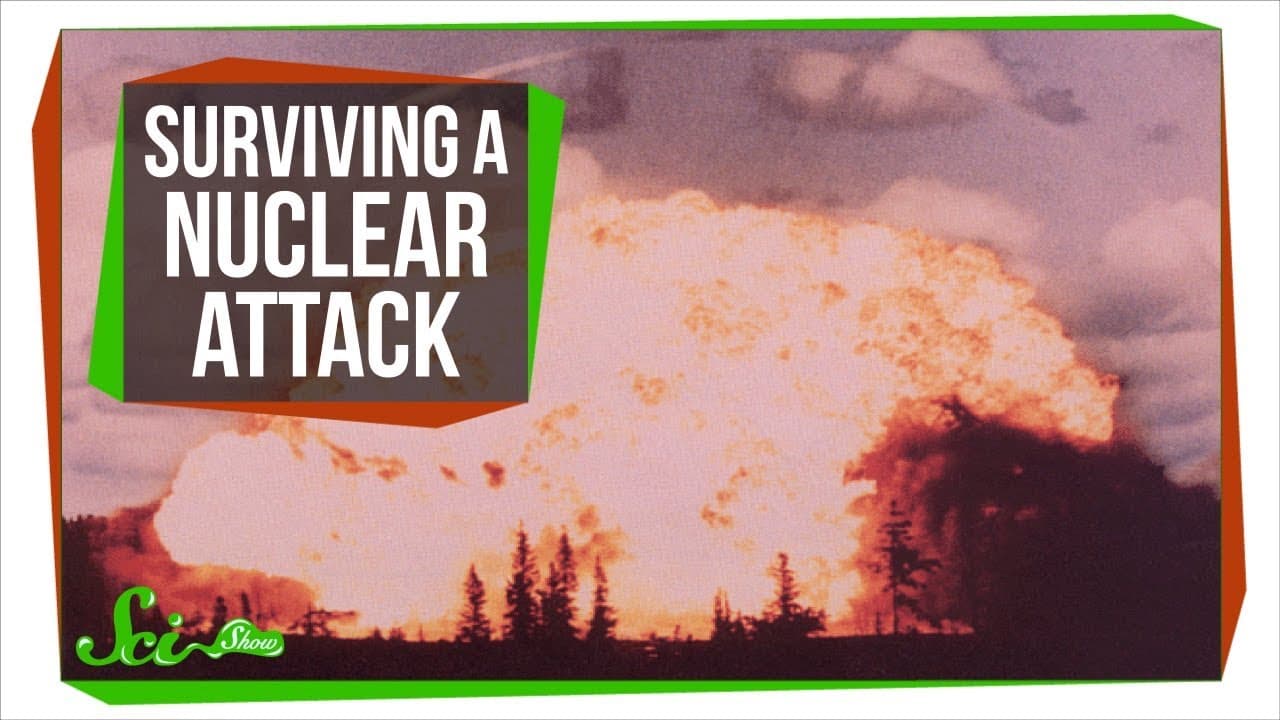
TL;DR
Learn how to protect yourself from the dangers of a nuclear attack, including blast waves, thermal radiation, and ionizing radiation.
Transcript
[♪ INTRO] Let’s start by saying the odds of a nuclear bomb hitting anywhere near you is very unlikely. But if you’re the type of person who always wants to be prepared, it might help to know a little bit about how explosions and radioactivity work. So, even though you probably won’t need to be hunkering down anytime in the near future, here’s a sci... Read More
Key Insights
- 😋 Nuclear bombs are categorized by size, measured in kilotons or millions of tons of TNT.
- 🥵 The immediate dangers of a nuclear explosion include heat and pressure waves, as well as a shockwave that can cause injuries and damage structures.
- 🍉 Ionizing radiation released during a nuclear explosion can have both short-term and long-term health effects.
- 🌥️ Fallout from a nuclear explosion can spread over large distances, making it important to seek shelter.
- 🏛️ The best shelter options include a basement in a large building made of dense materials or the center of a building to distance oneself from fallout.
- 🛀 Removing contaminated clothing, showering without scrubbing too harshly, and not using conditioner can help minimize radiation exposure.
- 🥳 Radiation levels decrease significantly after the first hour, but it is recommended to stay sheltered for at least a day before venturing outside.
Install to Summarize YouTube Videos and Get Transcripts
Explore YouTube Video Summarizer or Get YouTube Transcript Extractor
Questions & Answers
Q: What immediate dangers do you face during a nuclear explosion?
The immediate dangers during a nuclear explosion include heat and pressure waves, as well as a shockwave that can cause injuries and damage buildings.
Q: What is ionizing radiation and how does it affect the body?
Ionizing radiation is released during a nuclear explosion and can damage DNA and other molecules in cells, leading to acute radiation syndrome. It can also have long-term effects like cancer.
Q: How does fallout from a nuclear explosion spread and where should you seek shelter?
Fallout from a nuclear explosion can be carried by winds for hundreds of kilometers, making it important to seek shelter. A basement in a large building made of dense materials like brick or concrete would provide the best protection.
Q: How long should you stay sheltered after a nuclear attack?
Radiation levels are highest immediately after the blast, so it is important to stay sheltered for at least a day, possibly two, before leaving for a non-contaminated area.
Summary & Key Takeaways
-
Nuclear detonations release a massive amount of energy, with the size of the bomb measured in kilotons or millions of tons of TNT.
-
The immediate dangers of a nuclear explosion are heat and pressure waves, followed by a shockwave that can cause injuries and damage structures.
-
Nuclear explosions also release ionizing radiation, which can have long-term effects like cancer, and fallout containing radioactive material can spread beyond the blast site.
Read in Other Languages (beta)
Share This Summary 📚
Summarize YouTube Videos and Get Video Transcripts with 1-Click
Try YouTube Summary with ChatGPT & Claude or YouTube Transcript Generator
Explore More Summaries from SciShow 📚


Summarize YouTube Videos and Get Video Transcripts with 1-Click
Try YouTube Summary with ChatGPT & Claude or YouTube Transcript Generator