How Does Sweden's Economy Achieve Equality?
TL;DR
Sweden maintains a high standard of living and income equality through strong social policies and high taxation, which fund extensive welfare benefits. This system supports entrepreneurship by reducing the risks associated with starting a business, while ensuring that all citizens have access to essential services such as healthcare and education. Despite high taxes, Sweden encourages innovation and has a high rate of business ownership.
Transcript
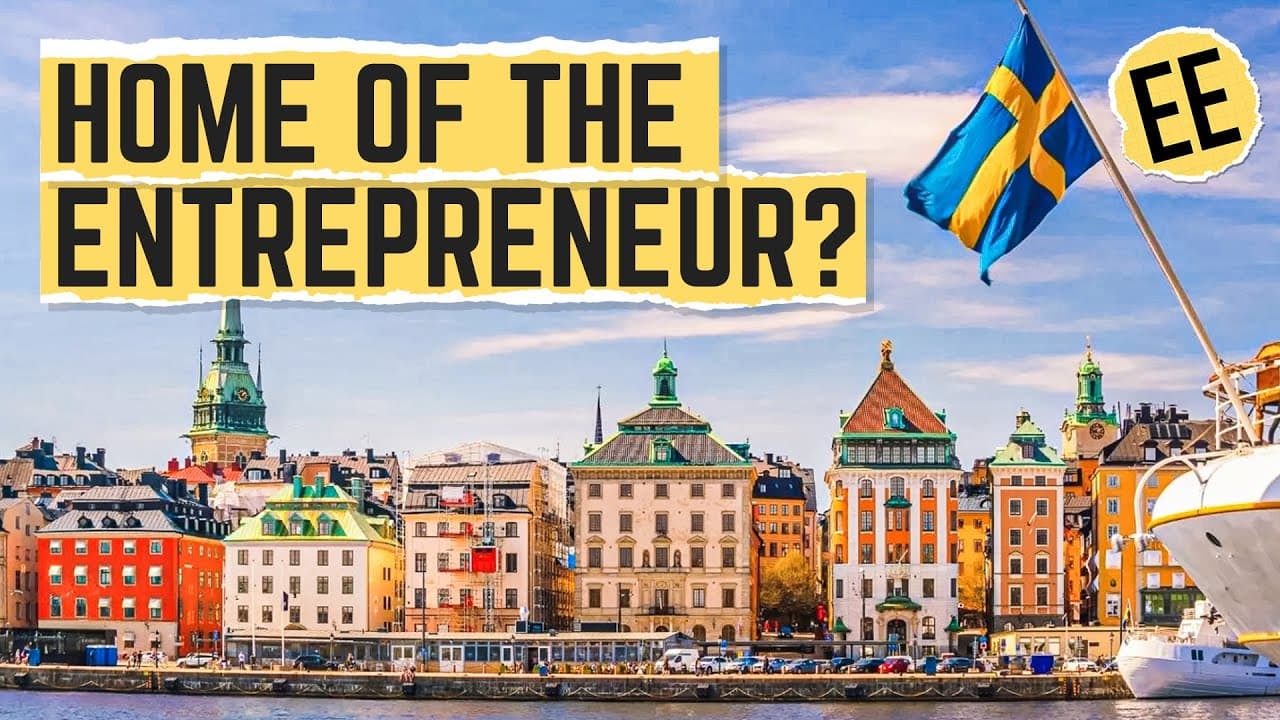
this is Sweden a picturesque Scandinavian country famed for its beautiful people flat-packed furniture pewdiepie and meatballs now of course if you hadn't guessed by the channel's title we are only here to take a look at Sweden's economy and it is a remarkable one at that Sweden is home to one of the highest standards of living in the world and it ... Read More
Key Insights
- Sweden has one of the highest standards of living globally due to its strong social policies and worker rights.
- The Riksbank, founded in 1668, is the world's oldest central bank, setting monetary policy trends.
- Sweden's income Gini coefficient is 0.27, indicating low income inequality compared to other nations.
- High taxation in Sweden funds welfare benefits, ensuring quality of life and reducing poverty risk.
- Entrepreneurship is encouraged as the welfare state reduces risks associated with starting a business.
- Sweden has a high wealth Gini coefficient of 0.853, indicating significant wealth inequality.
- Sweden's high rate of business ownership is attributed to its supportive welfare and education systems.
- Despite high taxes, capital gains are less taxed, encouraging successful business ventures.
Install to Summarize YouTube Videos and Get Transcripts
Explore YouTube Video Summarizer or Get YouTube Transcript Extractor
Questions & Answers
Q: How does Sweden maintain income equality?
Sweden maintains income equality through a combination of high taxation and strong social policies. The country's high taxes fund extensive welfare benefits, ensuring that all citizens have access to essential services such as healthcare, education, and housing. This system supports a high standard of living and reduces the disparity between high and low-income earners.
Q: What role does the Riksbank play in Sweden's economy?
The Riksbank, founded in 1668, is the world's oldest central bank and plays a crucial role in Sweden's economy by setting monetary policy trends. It influences interest rates, inflation, and overall economic stability, ensuring that Sweden maintains a healthy and resilient economy. The Riksbank's policies have been instrumental in shaping Sweden's economic landscape.
Q: Why is entrepreneurship encouraged in Sweden?
Entrepreneurship is encouraged in Sweden due to its supportive welfare state, which reduces the risks associated with starting a business. Universal healthcare and welfare benefits provide a safety net, allowing individuals to pursue business ventures without the fear of losing essential services. This environment fosters innovation and a high rate of business ownership.
Q: What is the significance of Sweden's income Gini coefficient?
Sweden's income Gini coefficient of 0.27 indicates low income inequality compared to other nations. This reflects the country's commitment to ensuring a fair distribution of income across its population. The low Gini coefficient is achieved through high taxation and strong social policies, which support a high standard of living for all citizens.
Q: How does Sweden's wealth inequality compare to its income inequality?
While Sweden has low income inequality with a Gini coefficient of 0.27, it has high wealth inequality, with a wealth Gini coefficient of 0.853. This disparity arises because income is taxed heavily, while capital gains, such as the appreciating value of a company, are less taxed. Successful entrepreneurs contribute to this wealth inequality, despite the country's overall income equality.
Q: How do high taxes benefit Sweden's economy?
High taxes in Sweden fund extensive welfare benefits, ensuring access to essential services like healthcare, education, and housing. This system supports a high standard of living and reduces poverty risk, creating a stable and equitable society. Additionally, high tax revenue allows the government to invest in infrastructure, public services, and innovation, contributing to economic prosperity.
Q: What makes Sweden's business environment unique?
Sweden's business environment is unique due to its supportive welfare state, which reduces the risks associated with entrepreneurship. The country's high rate of business ownership is attributed to its strong education system and universal healthcare, which provide a safety net for individuals pursuing business ventures. This environment fosters innovation and economic growth, despite high taxes.
Q: How does Sweden balance social policies and a liberal market?
Sweden balances strong social policies with a liberal market by maintaining high taxation to fund welfare benefits, while encouraging entrepreneurship and innovation. The country's supportive environment reduces the risks associated with starting a business, fostering a high rate of business ownership. This approach ensures a high standard of living and economic prosperity, despite the high tax burden.
Summary & Key Takeaways
-
Sweden's economy is characterized by high living standards and income equality achieved through strong social policies and high taxation. The welfare system supports a comfortable quality of life for all citizens, encouraging entrepreneurship by reducing the associated risks. Despite high taxes, Sweden maintains a liberal market, promoting innovation and business ownership.
-
The Riksbank, the world's oldest central bank, symbolizes Sweden's pioneering role in monetary policy. The country's low income Gini coefficient reflects its commitment to income equality, while its high wealth Gini coefficient indicates significant wealth inequality. High taxation funds extensive welfare benefits, ensuring access to essential services like healthcare and education.
-
Sweden's supportive welfare and education systems contribute to its high rate of business ownership. The country's low-risk environment encourages entrepreneurship and innovation, despite high taxes. Capital gains are less taxed, promoting successful business ventures and attracting international wealth back home, contributing to Sweden's economic prosperity.
Read in Other Languages (beta)
Share This Summary 📚
Summarize YouTube Videos and Get Video Transcripts with 1-Click
Try YouTube Summary with ChatGPT & Claude or YouTube Transcript Generator
Explore More Summaries from Economics Explained 📚





Summarize YouTube Videos and Get Video Transcripts with 1-Click
Try YouTube Summary with ChatGPT & Claude or YouTube Transcript Generator