I Was An MIT Educated Neurosurgeon Now I'm Unemployed And Alone In The Mountains How Did I Get Here?
TL;DR
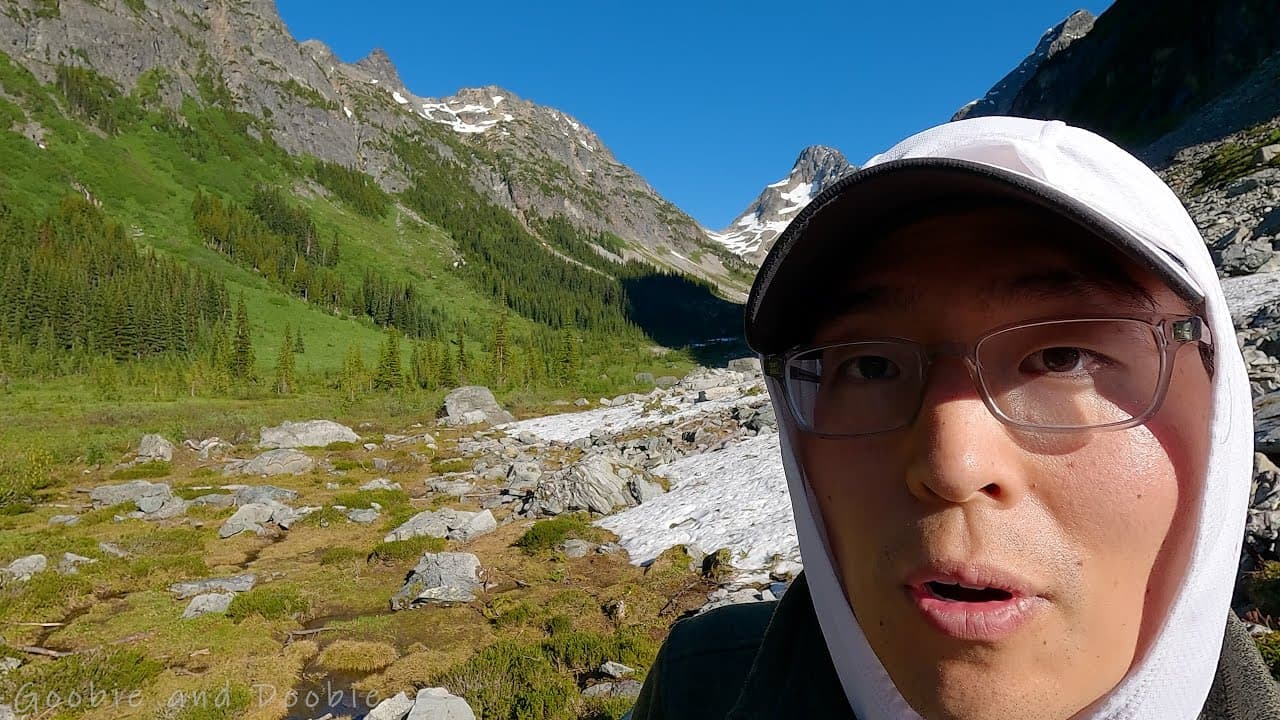
A former neurosurgeon shares insights on quitting a successful career to pursue personal happiness and mindfulness.
Transcript
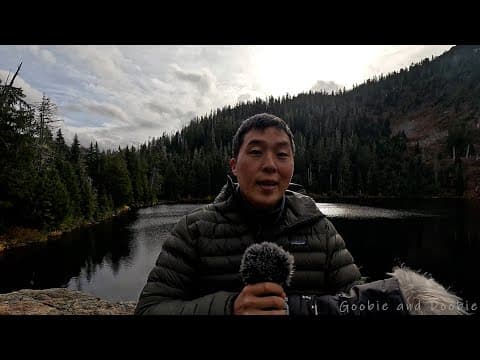
hi I'm Gooby from Gooby and doobie so I used to be a neurosurgeon I trained or I went to college at MIT and did uh four years of medical school and six years of neurosurgery training and and I I was a neurosurgeon for almost 10 years after after all of that so that's 20 years of my life and I quit I quit last year and nobody understood why I quit u... Read More
Key Insights
- 😷 A fulfilling medical career can become disheartening when it prioritizes profit over patient care and real healing.
- 🧑⚕️ Emotional and mental well-being are critical components of health that extend beyond surgical solutions and medications.
- 🧑🏭 Lifestyle factors, including diet, physical activity, stress management, and social support, significantly influence recovery outcomes.
- 🍃 It is possible to leave a prestigious career and still find happiness and purpose by aligning one's actions with personal values.
- 🧑⚕️ Understanding that healing is a holistic endeavor can reshape one's approach to health and wellness.
- 🖐️ Supportive relationships can play a crucial role in navigating major life transitions and personal crises.
- 🧑⚕️ Sharing experiences and engaging in nature can foster mental health and community connections, serving as a valuable resource for others.
Install to Summarize YouTube Videos and Get Transcripts
Explore YouTube Video Summarizer or Get YouTube Transcript Extractor
Questions & Answers
Q: What led to your decision to leave neurosurgery after ten years?
My decision was fueled by a profound sense of ethical conflict. Despite having learned and performed complex surgeries, I realized these procedures often didn't address patients' underlying issues, which led to recurring pain and dissatisfaction. I felt trapped in a system more focused on profit than genuine healing, ultimately leading to my burnout.
Q: How did your training influence your experience as a neurosurgeon?
My training at prestigious institutions like MIT and in neurosurgery instilled a desire to relieve suffering through medical intervention. However, as I practiced, I discovered that my surgical skills often provided only temporary relief. This disconnect between my training and real-world experiences contributed to my growing disillusionment with the medical field.
Q: What lifestyle changes did you embrace after quitting your job?
After I quit, I focused on healthier living, including a plant-based diet, regular exercise, and mindfulness practices. Spending ample time outdoors and strengthening my social connections have been vital in fostering a positive mindset and facilitating my overall recovery from burnout.
Q: How has your perspective on healing changed since leaving surgery?
I now view healing as a holistic endeavor. Healthy dietary choices, emotional support, stress management, and physical activity play crucial roles in wellness, far beyond what traditional medicine offers. This realization has reshaped my understanding of health and the importance of addressing root causes instead of just symptoms.
Q: What role did your wife play in your decision to quit?
My wife was a pillar of support during my struggles. She observed my unhappiness and encouraged me to prioritize my well-being over financial stability or social expectations. Her belief in my ability to rediscover happiness empowered me to make the transition away from neurosurgery.
Q: How did starting your YouTube channel impact your life?
Creating my YouTube channel has been a therapeutic outlet for me. It allows me to document my adventures in nature while encouraging mindfulness and stress relief, both for myself and for others. I’ve found joy in sharing experiences that promote the healing power of nature and community.
Q: What do you hope to achieve by sharing your story?
I hope my story resonates with others who feel trapped in careers that don't align with their values. By sharing my journey, I aim to inspire individuals to follow their hearts and prioritize mental health, demonstrating that authentic happiness is attainable even after significant life changes.
Q: What message do you want people to take from your experience?
The core message is to trust your instincts and take the necessary steps for your own well-being. Change can be daunting, but embracing it can lead to a more fulfilling life. It's vital to be present, nurture relationships, and prioritize practices that genuinely promote healing and happiness.
Summary & Key Takeaways
-
After nearly a decade in neurosurgery, the speaker struggled with the ethical implications of surgical practices that often didn't address underlying patient issues, leading to personal unhappiness.
-
Burning out and feeling trapped in a career that conflicted with his values, he ultimately decided to quit and prioritize his well-being and relationships, guided by his supportive wife.
-
Embracing nature and mindfulness, the speaker created a YouTube channel to document his journey, demonstrating a belief that healing extends beyond traditional medicine into lifestyle practices.
Read in Other Languages (beta)
Share This Summary 📚
Summarize YouTube Videos and Get Video Transcripts with 1-Click
Try YouTube Summary with ChatGPT & Claude or YouTube Transcript Generator
Explore More Summaries from Goobie and Doobie 📚
Summarize YouTube Videos and Get Video Transcripts with 1-Click
Try YouTube Summary with ChatGPT & Claude or YouTube Transcript Generator