Why Europe Should Seek Independence from the US
TL;DR
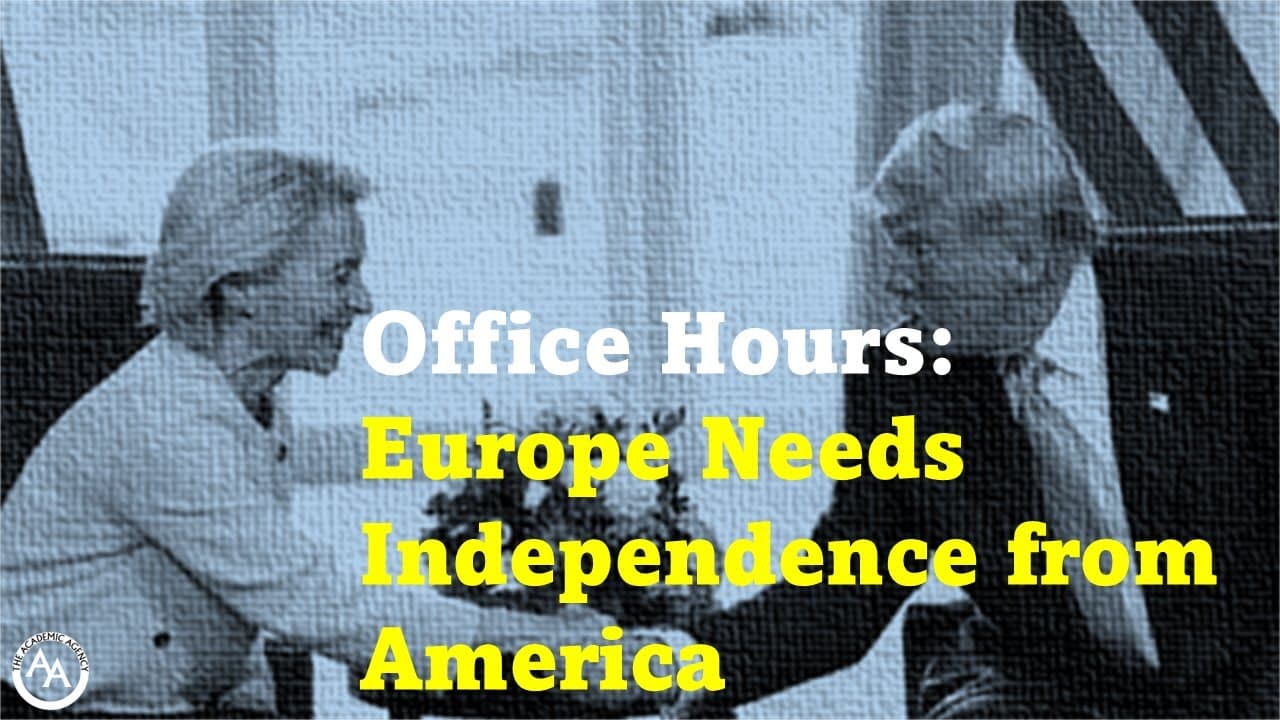
Europe is facing economic challenges due to a one-sided trade deal signed by Ursula von der Leyen with the US, which could negatively impact German car manufacturing and European industries. The deal imposes tariffs favoring the US, raising concerns over European sovereignty and economic stability. France and Hungary have expressed dissatisfaction, and there is potential for the deal to be overturned by the European Council.
Transcript
What do you think? [Applause] Well, hello everyone. Sorry for the delay. Um, I was actually delayed because I wanted to make sure I got a few little details about the European Union correct before I um have my opening spiel here. Before we get to the super thanks and the super chats, it's actually been quite a long time since since the last office ... Read More
Key Insights
- Ursula von der Leyen signed a controversial trade deal with the US, likened to historical one-sided agreements.
- The deal imposes 15% tariffs on European exports to the US while eliminating US tariffs on European imports.
- Germany's car industry could lose up to a billion euros due to the agreement.
- The European Council must unanimously approve the deal; France and Hungary have shown opposition.
- The European Parliament, seen as a rubber-stamp body, also needs to ratify the deal.
- Von der Leyen has faced a vote of no confidence, reflecting dissatisfaction with her leadership.
- The deal could lead to long-term economic damage for Europe, raising calls for independence from US influence.
- The structure of the EU is compared to the Soviet Union, with centralized power limiting member states' sovereignty.
Install to Summarize YouTube Videos and Get Transcripts
Explore YouTube Video Summarizer or Get YouTube Transcript Extractor
Questions & Answers
Q: How does the US-EU trade deal affect European industries?
The trade deal imposes 15% tariffs on European exports to the US while eliminating tariffs on American imports to Europe. This one-sided agreement could severely impact industries like German car manufacturing, potentially costing it up to a billion euros. The deal raises concerns about European economic stability and sovereignty, as it appears to heavily favor American interests.
Q: What is the likelihood of the EU trade deal being overturned?
The trade deal requires unanimous approval from the European Council, consisting of 27 member states, and ratification by the European Parliament. Given the opposition from countries like France and Hungary, there is a possibility of the deal being overturned. The chance of the deal not being ratified is estimated at around 51%, indicating significant resistance within the EU.
Q: Why are France and Hungary opposed to the EU-US trade deal?
France and Hungary have expressed dissatisfaction with the trade deal due to its perceived imbalance and potential economic harm to Europe. French leaders view it as a submission to American interests, undermining European sovereignty. Hungary, despite its ties with the US, also opposes the deal to protect its national interests, highlighting broader concerns about European autonomy and economic independence.
Q: What is the structure of the European Union compared to the Soviet Union?
The European Union's structure is likened to the Soviet Union, with centralized power in bodies like the European Commission, akin to the Soviet Politburo. The European Parliament is seen as a rubber-stamp body, similar to the Supreme Soviet, with limited actual power. This comparison highlights concerns about the lack of true democratic processes and member states' sovereignty within the EU.
Q: What are the potential consequences of the trade deal for Europe?
The trade deal could lead to long-term economic damage for Europe, particularly affecting industries like German car manufacturing. It raises concerns about European sovereignty and the need for independence from American influence. The deal's imbalance and potential economic repercussions have intensified calls for reevaluating Europe's relationship with the US and questioning the leadership of figures like Ursula von der Leyen.
Q: How has Ursula von der Leyen's leadership been challenged?
Ursula von der Leyen has faced a vote of no confidence, reflecting dissatisfaction with her leadership and the controversial trade deal with the US. Although she survived the vote, the deal's potential economic harm and perceived imbalance have led to calls for her removal. The situation underscores broader concerns about centralized power within the EU and member states' struggles for autonomy.
Q: What role does the European Council play in the trade deal's approval?
The European Council, consisting of 27 member states, must unanimously approve the trade deal for it to proceed. Each member state can send representatives, like foreign or trade ministers, to vote on the agreement. Given the opposition from countries like France and Hungary, the council's approval is uncertain, highlighting the challenges of achieving consensus within the EU.
Q: What is the significance of the European Parliament in the trade deal process?
The European Parliament, often seen as a rubber-stamp body, must ratify the trade deal after the European Council's approval. Despite its limited power, the parliament's vote is crucial for the deal's implementation. The potential for resistance within the parliament reflects broader concerns about centralized decision-making and the need for greater democratic processes within the EU.
Summary & Key Takeaways
-
Ursula von der Leyen's trade deal with the US is criticized for being heavily skewed in favor of America, imposing significant tariffs on European exports while removing them for American imports. This deal threatens the German car industry and European economic stability, leading to dissatisfaction among EU member states like France and Hungary.
-
The European Union's decision-making process, compared to the Soviet Union's structure, requires unanimous approval from the European Council and ratification by the European Parliament. The controversial deal has sparked discussions on European sovereignty and the need for independence from American influence.
-
Despite facing a vote of no confidence, von der Leyen remains in power. However, the potential economic repercussions of the trade deal have intensified calls for her removal and for Europe to reassess its relationship with the US. The situation underscores the challenges of centralized power within the EU and member states' struggles for autonomy.
Read in Other Languages (beta)
Share This Summary 📚
Summarize YouTube Videos and Get Video Transcripts with 1-Click
Try YouTube Summary with ChatGPT & Claude or YouTube Transcript Generator
Explore More Summaries from Academic Agent 📚


Summarize YouTube Videos and Get Video Transcripts with 1-Click
Try YouTube Summary with ChatGPT & Claude or YouTube Transcript Generator