How Do Myths Transform into Religions?
TL;DR
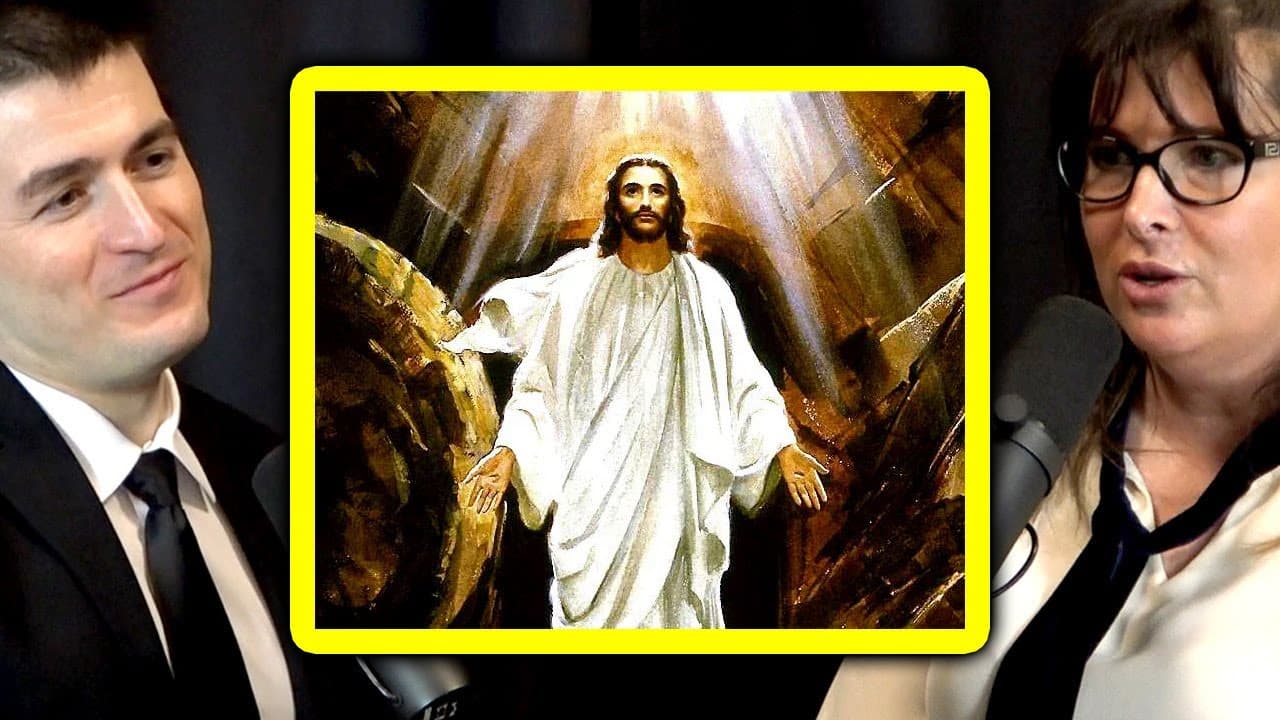
Myths often evolve into religions through shared intense personal experiences that influence communities. These narratives form movements as individuals communicate their transformative experiences, leading to the establishment of belief systems that can attract institutional control and reshape cultural narratives.
Transcript
so can we can we talk about myth and religion a little bit yes i mean can we start at the beginning which is like myths how are they born there's this collective intelligence amongst us human beings and we seem to create these beautiful ideas that captivate the minds of millions how is such a myth born great question okay so that brings us to termi... Read More
Key Insights
- 😒 The distinction between myth and religion is not always clear-cut, and different cultures may use these terms interchangeably.
- 💭 Plato's ideas on forms and his distinction between the reality of a higher power and the myths of Greek gods influenced Western philosophical and religious thought.
- 🥺 Both myths and religions often start with intense personal experiences that are shared and interpreted by others, leading to the formation of belief systems.
- 🎮 Once a movement gains popularity, powerful institutions may seek to control and shape the narrative to maintain their authority.
- 😀 Legitimate personal experiences drive the formation and spread of religions and myths, with individuals often facing ridicule and stigma for sharing their beliefs.
- 🛄 While some individuals may seek attention, the majority of those who claim transcendent experiences are sincere and genuine.
- 💠 Religion and myth can impact society and culture, shaping belief systems and influencing the behaviors and values of individuals.
Install to Summarize YouTube Videos and Get Transcripts
Explore YouTube Video Summarizer or Get YouTube Transcript Extractor
Questions & Answers
Q: How does Plato's distinction between reality and myth relate to modern religious and mythological beliefs?
Plato's distinction between reality and myth shows that even thousands of years ago, people recognized the existence of both divine and mythical elements within their own cultures. This distinction continues to shape modern religious and mythological beliefs.
Q: How do religions and myths become institutionalized and controlled by powerful organizations?
Once a movement gains traction and attracts a significant following, institutions such as governments or powerful organizations may seek to control and shape the narrative to maintain their own power and influence.
Q: Are personal experiences that lead to the formation of myths and religions always legitimate?
While some experiences may be fabricated or exaggerated for attention, the majority of individuals who claim to have had transcendent experiences or encounters with the divine are sincere and genuine. They often face ridicule and stigma, making it unlikely that they are seeking attention.
Q: What role does personal conviction and belief play in the formation of religions and myths?
Personal conviction and belief are crucial in driving the spread of religions and myths. It is the belief and passion of individuals that compels them to share their experiences and convince others to adopt similar beliefs.
Summary & Key Takeaways
-
Myth and religion are often intertwined, with distinctions often blurred between the two.
-
Plato, a Greek philosopher, made the distinction between the reality of a higher power and the gods and goddesses of Greek mythology.
-
Religion and myths often start with intense personal experiences that are shared with others, leading to the formation of movements and narratives that shape belief systems.
Read in Other Languages (beta)
Share This Summary 📚
Summarize YouTube Videos and Get Video Transcripts with 1-Click
Try YouTube Summary with ChatGPT & Claude or YouTube Transcript Generator
Explore More Summaries from Lex Clips 📚


Summarize YouTube Videos and Get Video Transcripts with 1-Click
Try YouTube Summary with ChatGPT & Claude or YouTube Transcript Generator