The Scary American Bat Die-Off
TL;DR
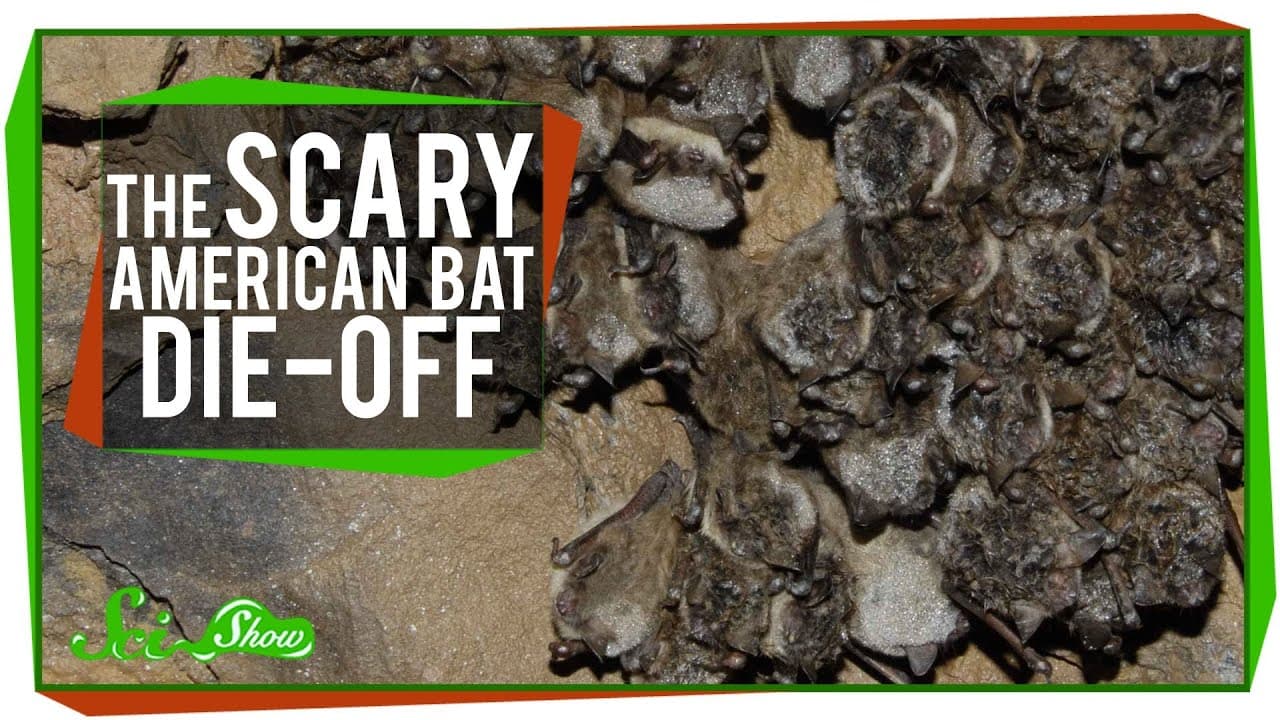
White Nose Syndrome (WNS) is a deadly disease that has spread across North America, killing millions of bats and causing drastic population declines.
Transcript
there are more than 12200 species of bats in the world that's more than 1if of all mammals they range from giant flying foxes with 2 m wingspans to itty bitty bumblebee bats that weigh less than a penny they live just about everywhere except for the poles in the harshest of deserts and they've been around since the dinosaurs but here in North Ameri... Read More
Key Insights
- 🌱 Bats are vital for maintaining ecological balance by controlling insect populations, pollinating plants, and dispersing seeds.
- 😀 White Nose Syndrome has caused a significant decline in bat populations, with some species facing regional extinction within the next two decades.
- 🍄 The fungus responsible for the disease was likely introduced to North America through human activity.
- 🛀 WNS poses a serious threat to ecosystems and agriculture due to the loss of bat populations.
- 🛀 Bats are long-lived and reproduce slowly, making recovery from WNS unlikely without intervention.
- 🛀 Behavioral changes observed in surviving bats, such as roosting further apart, may offer some protection against the disease.
- 🛀 It is crucial to report any unusual bat behavior to local wildlife agencies and follow guidelines to prevent the spread of WNS.
Install to Summarize YouTube Videos and Get Transcripts
Explore YouTube Video Summarizer or Get YouTube Transcript Extractor
Questions & Answers
Q: What is White Nose Syndrome, and how does it affect bats?
White Nose Syndrome is a deadly disease caused by a cold-loving fungus that infects the ears, muscles, and wings of hibernating bats. It weakens their immune system, leading to abnormal behavior, emaciation, and eventual death.
Q: How did White Nose Syndrome reach North America?
The fungus responsible for WNS is believed to have been introduced from Europe, likely carried by humans who accidentally contaminated clothing or gear. Bats do not fly across the ocean, so human activity is the likely cause of its introduction.
Q: Which bat species are most affected by White Nose Syndrome?
Many bat species have been impacted by WNS, but little brown bats have been particularly hard hit. Their populations have declined by 80% in the last 5 to 6 years. Several endangered species and those with high mortality rates have also been affected.
Q: What are the ecological consequences of bat die-offs due to White Nose Syndrome?
Bats are essential for insect control, pollination, seed dispersal, and provide valuable fertilizer through guano. Massive bat die-offs can disrupt ecosystems, leading to increased insect populations, decreased plant diversity, and negative impacts on agriculture.
Summary & Key Takeaways
-
There are over 12,200 species of bats worldwide, but they are facing a serious threat in North America due to White Nose Syndrome (WNS).
-
WNS is caused by a cold-loving fungus that infects hibernating bats, weakening their immune system and leading to abnormal behavior, emaciation, and death.
-
WNS has spread rapidly across 22 states and five Canadian provinces, killing an estimated 6.7 million bats so far. It poses a significant threat to bat populations and ecosystems.
Read in Other Languages (beta)
Share This Summary 📚
Summarize YouTube Videos and Get Video Transcripts with 1-Click
Try YouTube Summary with ChatGPT & Claude or YouTube Transcript Generator
Explore More Summaries from SciShow 📚


Summarize YouTube Videos and Get Video Transcripts with 1-Click
Try YouTube Summary with ChatGPT & Claude or YouTube Transcript Generator