Will Ukrainian Replace Russian in Ukraine's Future?
TL;DR
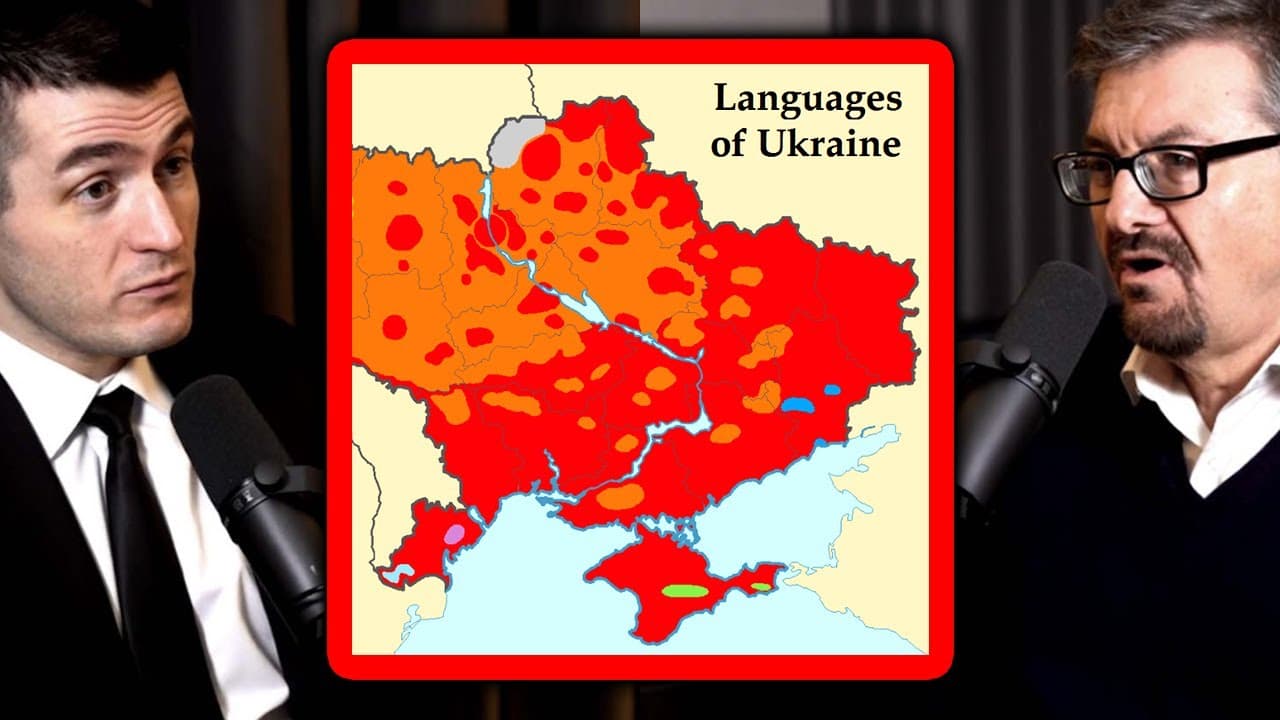
The ongoing conflict in Ukraine has catalyzed a shift towards Ukrainian, particularly among the younger generation, as a statement of identity. While both Russian and Ukrainian are still widely spoken, the lasting impact of the war raises questions about the future of linguistic practices in the country.
Transcript
I should mention maybe this is a good moment to mention when I traveled to Ukraine this is after the start of the war I you mentioned Farmers Market which is funny basically every single person I talked to uh including the leadership we spoke in Russian for many of them Russian is the more comfortable language even and the people who spoke Ukrainia... Read More
Key Insights
- 🙊 Ukraine is a truly bilingual country, with both Russian and Ukrainian widely spoken.
- 🥺 The war in 2014 and the loss of certain territories have led to a shift towards Ukrainian-speaking regions, especially among the younger generation.
- 🥺 The future of language in Ukraine is uncertain, as there have been fluctuations in language preferences in the past, but the impact of the war may lead to a more lasting change.
- 💨 Language choice can be a way for individuals to assert their identity and distance themselves from negative experiences related to the war.
- ➗ The language situation in Ukraine can be a source of division and tension among different linguistic communities.
- 💱 The younger generation's preference for Ukrainian may indicate a changing linguistic landscape in the country.
- 🇺🇦 There is a ongoing debate about whether Ukrainian or Russian will become the dominant language in Ukraine.
Install to Summarize YouTube Videos and Get Transcripts
Explore YouTube Video Summarizer or Get YouTube Transcript Extractor
Questions & Answers
Q: What is the current language situation in Ukraine?
Ukraine is a truly bilingual country, where both Russian and Ukrainian can be spoken and understood throughout the country. The dominance of Russian is stronger in the east, while Ukrainian is more prevalent in the west.
Q: Has there been a change in language preference since the start of the war in 2014?
Yes, there has been a shift towards Ukrainian as a marker of identity, particularly among the younger generation. They see Ukrainian as a way to distance themselves from the aggression and loss experienced during the war.
Q: Will this shift towards Ukrainian be a lasting change?
The future of language in Ukraine is uncertain. While there was a spike in self-reported usage of Ukrainian during the start of the war, it returned to previous levels in later years. However, given the prolonged war, the younger generation's switch to Ukrainian may indicate a more lasting change.
Q: How does language affect the unity of Ukraine?
Language plays a role in the unity of Ukraine, as it can be a source of division. The dominance of Russian in certain regions and the push towards Ukrainian as an identity marker may create tensions among different linguistic communities in the country.
Summary & Key Takeaways
-
Ukraine is a bilingual country, where both Russian and Ukrainian are widely spoken and understood throughout the country.
-
The war in 2014 and the loss of Crimea and parts of Donbas have led to a shift towards Ukrainian-speaking regions, especially among the younger generation.
-
There is a debate about whether this shift towards Ukrainian will be a lasting change or if the linguistic practices will revert to their previous state.
Read in Other Languages (beta)
Share This Summary 📚
Summarize YouTube Videos and Get Video Transcripts with 1-Click
Try YouTube Summary with ChatGPT & Claude or YouTube Transcript Generator
Explore More Summaries from Lex Clips 📚




Summarize YouTube Videos and Get Video Transcripts with 1-Click
Try YouTube Summary with ChatGPT & Claude or YouTube Transcript Generator