Metallurgy Guru: Sustainable Metallurgy and Green Metals - A Green Metallurgy Introduction
TL;DR
This content provides an introduction to the field of sustainable metallurgy, discussing the sustainability of metallurgical processes and the use of advanced materials.
Transcript
ah welcome to this class it is about the field of sustainable metallurgical science and engineering please note that I use the robotic voice to read this class to you because this robot speaks really much better English I work in the field of metallurgy and materials science for about 30 years I hope to share some of my insights on the role of meta... Read More
Key Insights
- 🖐️ Metallurgy plays a significant role in sustainability, addressing the environmental impact of metallurgical processes and leveraging advanced materials for sustainability improvement.
- 🐕🦺 Direct sustainability involves reducing emissions and energy consumption in metallurgical processes, while indirect sustainability focuses on using advanced materials for sustainable products, processes, or services.
- 🏋️ Examples of direct sustainability measures include hydrogen injection in blast furnaces and recycling metallic scraps, while indirect sustainability effects include weight reduction, enhanced product longevity, and improved machine efficiency.
- 🧑🏭 The successful implementation of sustainability measures in metallurgy requires considering economic, legislative, and societal factors, as well as avoiding unintended consequences and addressing boundary conditions.
- 🌐 Sustainable metallurgy is essential in achieving global sustainability goals, including responsible production and technologies for sustainable cities.
- 🐕🦺 Lifecycle assessment is a crucial tool for quantifying the environmental impact of products, processes, or services throughout their entire lifecycle, considering all input and emission quantities.
- 👳 Urban mining and efficient recycling are important for reclaiming valuable materials and reducing dependency on primary mining.
- 😒 The development and use of advanced materials and alloys offer opportunities for enhancing sustainability and addressing specific challenges in different industries.
Install to Summarize YouTube Videos and Get Transcripts
Explore YouTube Video Summarizer or Get YouTube Transcript Extractor
Questions & Answers
Q: What is the motivation for studying sustainable metallurgical science?
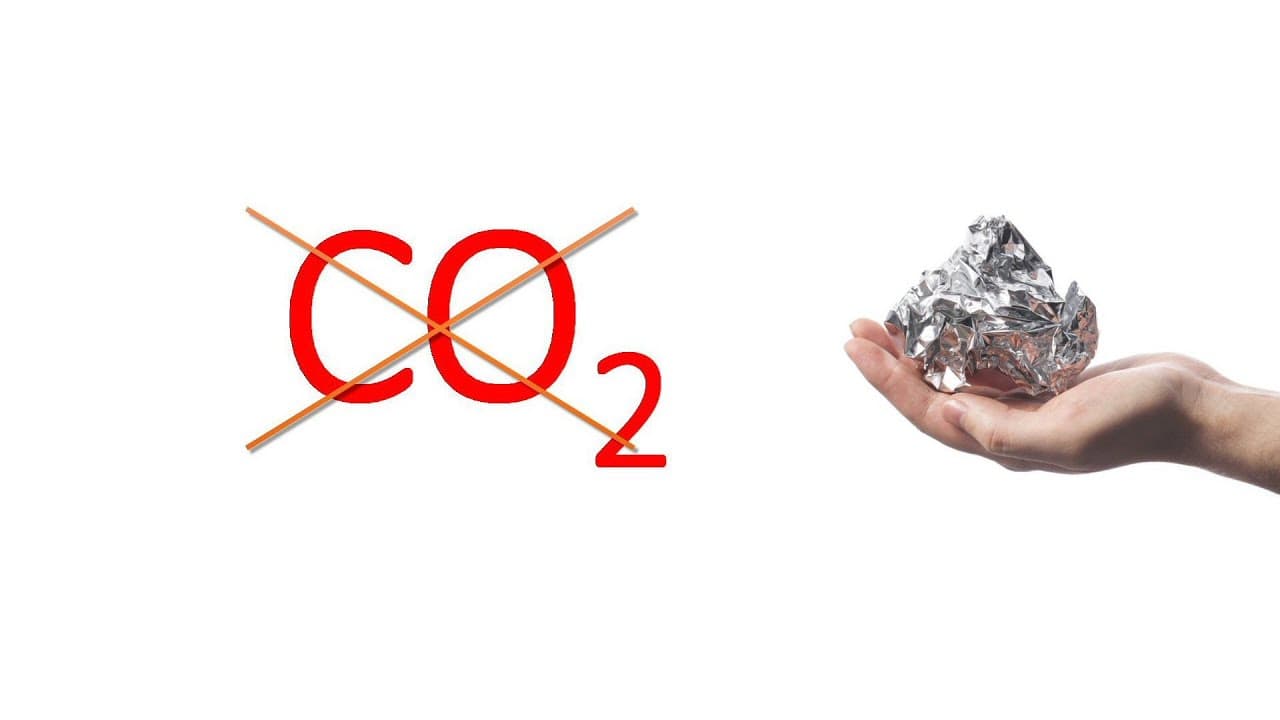
The motivation stems from the significant environmental impact of metallurgy, with the global production of metals contributing to 8% of total energy consumption and 30% of industrial CO2-equivalent emissions. The goal is to find solutions within metallurgy to mitigate these effects and transition towards a circular economy.
Q: How can metallurgy contribute to sustainability improvement?
Metallurgy can contribute to sustainability improvement through direct and indirect sustainability effects. Direct sustainability involves reducing emissions and energy consumption during the synthesis and manufacturing of metals, while indirect sustainability focuses on using advanced materials to make other products or processes more sustainable.
Q: What are some examples of direct sustainability effects in metallurgy?
Examples of direct sustainability effects include injecting hydrogen gas into blast furnaces to reduce CO2 emissions, operating direct reduction furnaces entirely with hydrogen instead of methane gas, and recycling metallic scraps and remelting them into fresh material.
Q: How can advanced materials contribute to indirect sustainability in metallurgy?
Advanced materials can contribute to indirect sustainability by enabling weight reduction in the transportation sector, improving product longevity through enhanced corrosion and fatigue resistance, and enhancing the efficiency of machines for energy conversion. They can also be used for electrical conductors with lower resistance or magnetic materials with lower magnetic losses.
Summary & Key Takeaways
-
The lecturer introduces the field of sustainable metallurgical science and engineering, emphasizing the importance of metallurgy in achieving sustainability.
-
The content explores the concept of direct sustainability, focusing on reducing emissions and energy consumption during the synthesis and manufacturing of metals.
-
It also discusses indirect sustainability, which involves using advanced materials to make other products, processes, or services more sustainable.
-
Examples of sustainability measures in metallurgy include reducing CO2 emissions through hydrogen injection in blast furnaces and utilizing advanced materials for weight reduction and energy efficiency.
Read in Other Languages (beta)
Share This Summary 📚
Summarize YouTube Videos and Get Video Transcripts with 1-Click
Try YouTube Summary with ChatGPT & Claude or YouTube Transcript Generator
Explore More Summaries from Metallurgy Guru - Sustainable Metals & Green Steel 📚
Summarize YouTube Videos and Get Video Transcripts with 1-Click
Try YouTube Summary with ChatGPT & Claude or YouTube Transcript Generator