How to Prevent Mental Burnout with 7 Habits
TL;DR
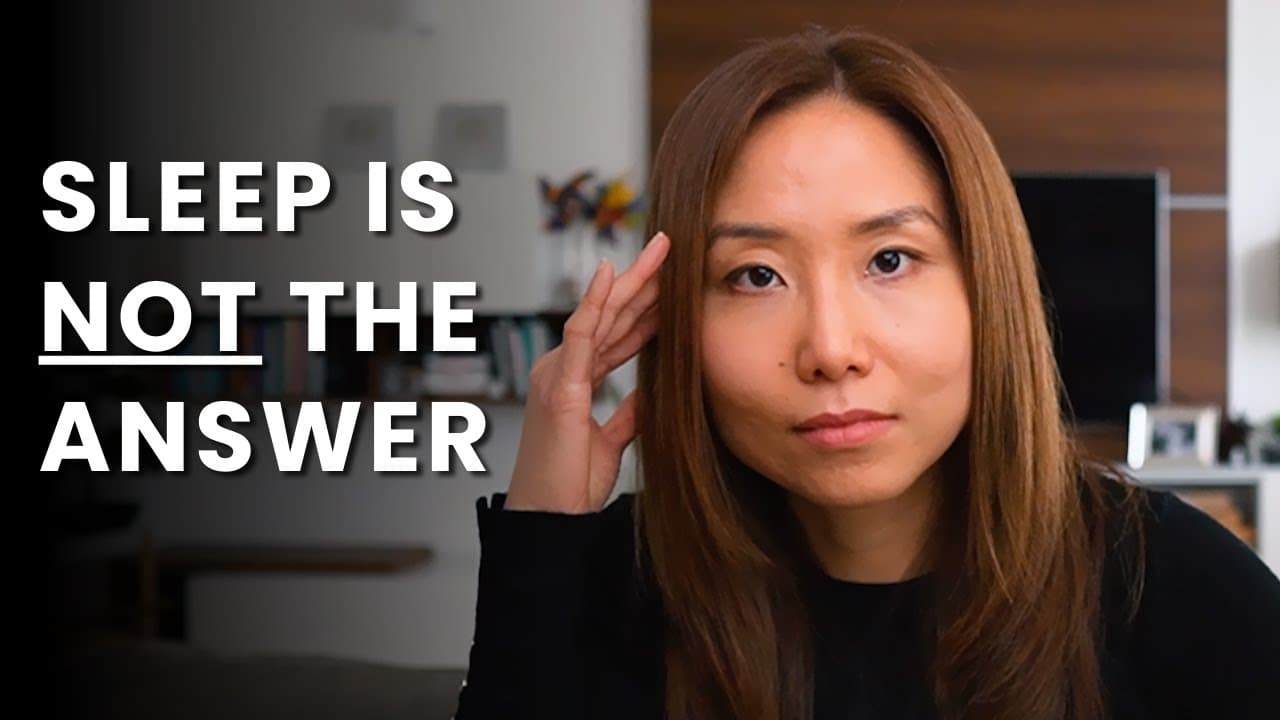
Burnout can occur even when you feel you're doing everything right. Implementing seven types of rest — mental, social, physical, creative, emotional, sensory, and spiritual — can help prevent burnout. By adopting specific habits for each rest type, you can restore energy and improve overall well-being, avoiding rest deficits.
Transcript
Have you ever felt like you're doing everything right? You're sleeping enough. You're eating well, but you still wake up feeling really exhausted. So that was me a few years ago, until I realized I wasn't just tired in my body. I was tired in my mind. My spirit, my emotions. Everywhere. And I realized that burnout doesn't always arrive as a breakdo... Read More
Key Insights
- Burnout may not always manifest as a breakdown but can occur quietly, especially in high achievers.
- Rest is not a singular concept; it comprises seven types: mental, social, physical, creative, emotional, sensory, and spiritual.
- Mental rest can be achieved by allowing the mind to wander, taking regular breaks, and using techniques like the 4-7-8 breathing method.
- Social rest involves spending time with energizing people and limiting interactions with those who drain your energy.
- Physical rest goes beyond sleep and includes activities like yoga nidra and limiting screen time before bed.
- Creative rest can be fostered by engaging in hobbies, exploring new activities, and surrounding oneself with inspiring environments.
- Emotional rest involves being honest about one's feelings and stepping away from people-pleasing behaviors.
- Sensory rest is achieved by reducing sensory input, such as having tech-free evenings and practicing silence.
Install to Summarize YouTube Videos and Get Transcripts
Explore YouTube Video Summarizer or Get YouTube Transcript Extractor
Questions & Answers
Q: How can mental rest prevent burnout?
Mental rest helps prevent burnout by allowing the brain to take breaks from constant activity. Techniques like pre-planned brain breaks, the 4-7-8 breathing method, and cognitive offloading can help reduce mental fatigue. These practices give the mind a chance to recharge, improving focus and reducing the risk of burnout.
Q: What is social rest and why is it important?
Social rest involves spending time with people who energize and support you, while limiting interactions with those who drain your energy. It is important because it helps maintain emotional balance and reduces stress. Prioritizing positive relationships can enhance well-being and prevent the exhaustion associated with social interactions.
Q: Why is physical rest more than just sleep?
Physical rest encompasses more than just sleep as it involves intentionally restoring energy throughout the day. Practices like yoga nidra, mindful movement, and reducing screen time before bed help rejuvenate the body. These activities prevent the accumulation of physical fatigue, which can lead to burnout if not addressed.
Q: How does creative rest benefit mental health?
Creative rest benefits mental health by allowing individuals to reconnect with their curiosity and inspiration. Engaging in hobbies, exploring new activities, and surrounding oneself with an inspiring environment can foster creativity. This type of rest helps prevent creative burnout and encourages innovative thinking by providing mental rejuvenation.
Q: What role does emotional rest play in well-being?
Emotional rest plays a crucial role in well-being by allowing individuals to express their true feelings without fear of judgment. It involves stepping away from people-pleasing behaviors and being honest with oneself and others. Emotional rest helps prevent the buildup of resentment and emotional exhaustion, promoting mental health and resilience.
Q: How can sensory rest improve daily life?
Sensory rest improves daily life by reducing the overwhelming input from constant stimuli. Practices like tech-free evenings, silent commutes, and intentional quiet time help calm the nervous system. By minimizing sensory overload, individuals can enhance focus, improve sleep quality, and maintain a balanced mood, reducing the risk of burnout.
Q: What is spiritual rest and how can it be achieved?
Spiritual rest involves aligning with personal values and finding meaning and purpose in life. It can be achieved through practices like gratitude, mindfulness, and reflection on one's goals and values. By focusing on what truly matters, spiritual rest helps individuals feel connected to something greater, promoting inner peace and reducing stress.
Q: How can implementing these rest types prevent burnout?
Implementing these rest types prevents burnout by addressing different aspects of exhaustion. Each type of rest targets specific needs, such as mental clarity, emotional balance, and physical rejuvenation. By incorporating habits that cater to each rest type, individuals can restore energy, improve overall well-being, and prevent the cumulative effects of stress and fatigue.
Summary & Key Takeaways
-
Burnout can quietly affect even those who seem to manage their lives well. Incorporating seven types of rest — mental, social, physical, creative, emotional, sensory, and spiritual — can prevent this. Each rest type requires specific habits, such as mental breaks, socializing with energizing individuals, and engaging in creative hobbies.
-
Mental rest involves letting the mind wander and taking breaks, while social rest focuses on nurturing positive relationships. Physical rest includes more than sleep, emphasizing activities like yoga nidra. Creative rest encourages exploring new hobbies, and emotional rest requires honesty about feelings.
-
Sensory rest is about reducing input, such as having tech-free evenings. Spiritual rest aligns with personal values and gratitude practices. By addressing all rest types, individuals can restore energy, improve well-being, and prevent burnout, even if they sleep adequately each night.
Read in Other Languages (beta)
Share This Summary 📚
Summarize YouTube Videos and Get Video Transcripts with 1-Click
Try YouTube Summary with ChatGPT & Claude or YouTube Transcript Generator
Explore More Summaries from Laurie Wang 📚





Summarize YouTube Videos and Get Video Transcripts with 1-Click
Try YouTube Summary with ChatGPT & Claude or YouTube Transcript Generator