Condor Females Don’t Need a Male to Hatch Chicks
TL;DR
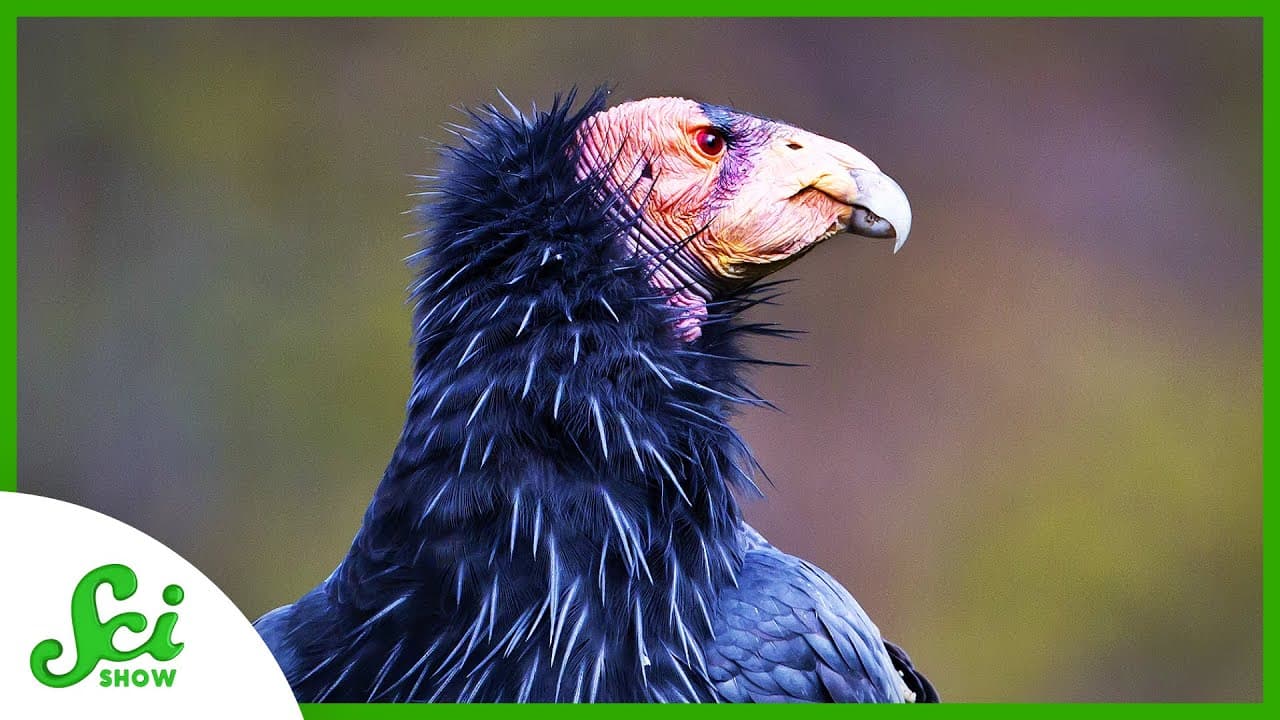
Female California condors can hatch chicks without a male through parthenogenesis, in which an unfertilized egg develops into an embryo. Researchers documented the first two known cases in the species, even though both females had access to mates. The resulting chicks were male, but neither survived to reproduce, leaving this process’s value for conservation uncertain. Read on to understand the genetic tradeoffs and a related discovery about whales’ role in ocean ecosystems.
Transcript
[♪ INTRO] California condors are the largest birds in North America, and they’re also critically endangered. At one point in the 1980s, there were fewer than 30 individual birds in the entire species. Since 1988, a captive breeding program has bolstered those numbers to over 1000. That doesn’t leave a lot of genetic diversity to work with, so th... Read More
Key Insights
- 🦻 California condors have displayed a rare case of parthenogenesis, which could aid in conserving the species and expanding the breeding population.
- ⏫ Parthenogenetic reproduction in condors may help remove harmful gene mutations but poses a risk of double harmful alleles for the offspring.
- 😋 Baleen whales consume significantly more food, such as krill, than previously believed, playing a vital role in the ocean's carbon cycle.
- 🐳 Whale populations and their fecal iron have a significant impact on phytoplankton growth and carbon dioxide removal from the atmosphere.
- 🤱 Understanding the feeding habits of whales and the reproductive behavior of condors contributes to conservation efforts for these endangered species.
- 🤨 Parthenogenesis in condors raises questions about the potential occurrence in other species and its implications for conservation.
- 👨🔬 Research on California condors and whale feeding habits provides valuable insights into the importance of biodiversity and ecosystem dynamics.
Install to Summarize YouTube Videos and Get Transcripts
Explore YouTube Video Summarizer or Get YouTube Transcript Extractor
Questions & Answers
Q: Can female California condors hatch chicks without a male?
Yes. Researchers reported two female California condors whose eggs developed into offspring without fertilization, a process called parthenogenesis. Both females had access to males and had previously laid eggs with them.
Q: What is parthenogenesis in California condors?
Parthenogenesis is reproduction in which a female produces eggs that develop into embryos without being fertilized. The researchers identified the first two known cases in California condors by analyzing genomes monitored through the captive breeding program.
Q: Why were the parthenogenetic condor chicks male?
Female birds have one Z and one W chromosome, while males have two Z chromosomes. Each chick received a Z chromosome from its mother, which was duplicated to produce a ZZ male.
Q: Could parthenogenesis help conserve California condors?
Potentially, because one female could theoretically establish a population containing both herself and parthenogenetically produced males. Those birds could then reproduce conventionally, which might help the species expand its range faster. However, neither documented chick survived to reproduce.
Q: What genetic risks does parthenogenesis pose to condors?
Parthenogenetic chicks are extremely likely to inherit two identical copies of a harmful allele from their single parent. That double dose may kill the bird, although it could also prevent the harmful allele from being passed into future generations. Researchers do not yet know whether the process helps or harms the population overall.
Q: How endangered are California condors?
California condors are critically endangered and are the largest birds in North America. Their population fell below 30 individuals during the 1980s. A captive breeding program operating since 1988 increased their numbers to over 1,000, but genetic diversity remains limited.
Q: How much do baleen whales eat?
The research suggests that baleen whales eat about three times more than previously estimated. An eastern North Pacific blue whale can consume 16 metric tons of krill per day, while whales from Canada to Mexico may collectively eat more than six million tons of food annually rather than the previously estimated two million metric tons.
Q: How do baleen whales support the ocean carbon cycle?
Whales eat krill and release iron-rich feces near the surface, helping phytoplankton grow and supporting the krill that feed on them. Because phytoplankton consume carbon dioxide through photosynthesis, restoring whale populations could increase the amount of CO2 removed from the atmosphere.
Summary & Key Takeaways
-
Female California condors have laid eggs that developed into offspring without fertilization from a male, in a rare case of parthenogenesis in birds.
-
Parthenogenesis in condors could aid in expanding their breeding population and potentially remove fatal gene mutations from the gene pool.
-
Whales, such as blue whales and humpback whales, consume much more food than previously estimated, playing a crucial role in the ocean's carbon cycle.
Read in Other Languages (beta)
Share This Summary 📚
Summarize YouTube Videos and Get Video Transcripts with 1-Click
Try YouTube Summary with ChatGPT & Claude or YouTube Transcript Generator
Explore More Summaries from SciShow 📚


Summarize YouTube Videos and Get Video Transcripts with 1-Click
Try YouTube Summary with ChatGPT & Claude or YouTube Transcript Generator