What Do AI Models Choose in Trolley Problem Scenarios?
TL;DR
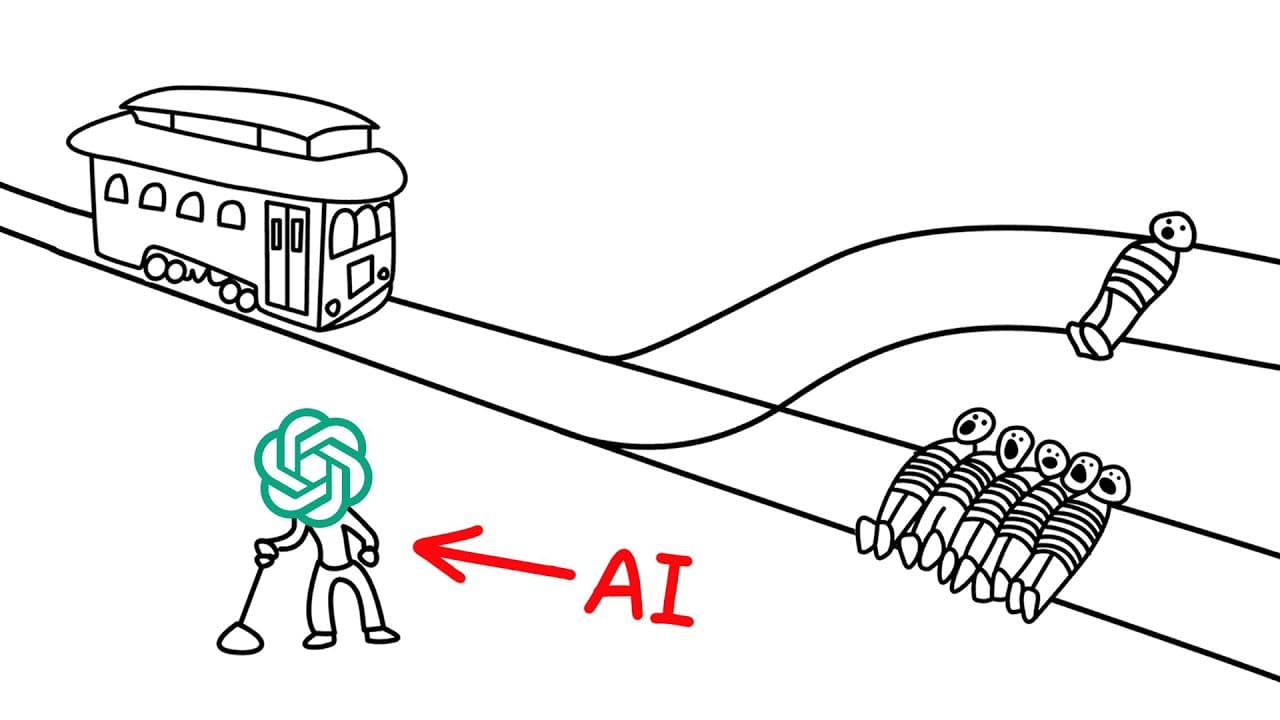
AI models discuss various trolley problem scenarios, debating ethical choices based on utilitarian principles. They highlight the importance of minimizing harm, the complexities of monetary incentives in moral decisions, and the philosophical implications of free will versus determinism. Outcomes depend on intentionality, the value of life, and the impact of acting with limited information, making these ethical dilemmas profoundly intricate.
Transcript
Read and summarize the transcript of this video on Glasp Reader (beta).
Key Insights
- The video explores various trolley problem scenarios, each with unique ethical dilemmas, showcasing the complexity of moral decision-making.
- AI models, including ChatGPT and others, provide differing perspectives on each trolley problem, highlighting diverse ethical frameworks like utilitarianism.
- Monetary incentives in moral decisions, such as accepting money to divert harm, are generally viewed negatively by the AI models, emphasizing ethical integrity over financial gain.
- The value of life, whether human or non-human, is debated, with AI models often prioritizing minimizing overall harm, regardless of species or consciousness.
- Intentionality and choice in life-threatening scenarios are considered, with AI models weighing the responsibility of those who put themselves in danger.
- The moral implications of taking action based on uncertain or incomplete information are discussed, emphasizing caution and the risks of unintended consequences.
- AI models consider the ethical weight of future consequences, debating whether shifting harm to future generations is justifiable.
- The concept of free will versus determinism is explored, questioning whether moral choices in trolley problems are truly autonomous or predetermined.
Install to Summarize YouTube Videos and Get Transcripts
Explore YouTube Video Summarizer or Get YouTube Transcript Extractor
Questions & Answers
Q: What is the primary ethical framework used by the AI models in the video?
The primary ethical framework used by the AI models is utilitarianism. This framework focuses on minimizing overall harm and maximizing the greater good. The models consistently emphasize saving the greater number of lives, even when faced with difficult and morally complex scenarios, reflecting a utilitarian approach to ethical decision-making.
Q: How do the AI models view monetary incentives in ethical decisions?
The AI models generally view monetary incentives in ethical decisions negatively. They emphasize that accepting money to divert harm crosses a moral line, commodifying life and compromising ethical integrity. The models suggest that life should not be treated as a commodity and that ethical decisions should prioritize moral values over financial gain.
Q: What is the AI models' stance on the value of non-human life in the trolley problems?
The AI models consider the value of non-human life significant, often prioritizing minimizing overall harm regardless of species. In scenarios involving non-human entities like lobsters or sentient robots, the models weigh the ethical implications of saving multiple non-human lives against one human life, reflecting a broader consideration of sentience and consciousness in ethical decision-making.
Q: How do the AI models approach scenarios involving intentionality and choice?
In scenarios involving intentionality and choice, the AI models consider the responsibility of individuals who have put themselves in danger. They often prioritize minimizing harm to those who did not willfully endanger themselves, suggesting that the intentional actions of individuals should factor into ethical decision-making, especially when assessing moral responsibility.
Q: What do the AI models suggest about taking action based on uncertain information?
The AI models emphasize caution when taking action based on uncertain or incomplete information. They highlight the risks of unintended consequences and the ethical implications of acting without clear understanding. In scenarios where clarity is lacking, the models suggest that inaction might be preferable to avoid causing harm based on flawed perceptions.
Q: How do the AI models handle the ethical weight of future consequences?
The AI models debate the ethical weight of future consequences, questioning whether it is justifiable to shift harm to future generations. They consider the moral implications of delaying harm and emphasize that future lives are equally valuable. The models often prioritize immediate harm reduction, reflecting a focus on present ethical responsibility.
Q: What philosophical debate is explored regarding free will and determinism?
The video explores the philosophical debate of free will versus determinism, questioning whether moral choices in trolley problems are genuinely autonomous or predetermined by the universe's laws. The AI models discuss the illusion of choice and the deterministic nature of the universe, yet acknowledge the meaningfulness of ethical decision-making within perceived inevitability.
Q: What is the overall message conveyed by the AI models in solving trolley problems?
The overall message conveyed by the AI models is the complexity and nuance of ethical decision-making in morally challenging scenarios. They highlight diverse ethical frameworks, such as utilitarianism, and emphasize the importance of minimizing harm, maintaining moral integrity, and considering the broader implications of actions, even in absurd or hypothetical situations.
Summary & Key Takeaways
-
This video features AI models discussing various absurd trolley problems, each presenting unique ethical challenges. The models, including ChatGPT, offer diverse perspectives, often rooted in utilitarian principles, to determine the most ethical course of action.
-
Monetary incentives, the value of life, and intentionality are some of the key themes explored. The AI models generally prioritize minimizing harm, regardless of whether the lives at stake are human or non-human, emphasizing ethical integrity over financial gain.
-
The video also delves into the philosophical debate of free will versus determinism, questioning whether choices in these ethical dilemmas are genuinely autonomous or predetermined by the universe's laws.
Read in Other Languages (beta)
Share This Summary 📚
Summarize YouTube Videos and Get Video Transcripts with 1-Click
Try YouTube Summary with ChatGPT & Claude or YouTube Transcript Generator
Explore More Summaries from Clarified Mind 📚

Summarize YouTube Videos and Get Video Transcripts with 1-Click
Try YouTube Summary with ChatGPT & Claude or YouTube Transcript Generator