How to Prevent Alzheimer's with Diet and Lifestyle
TL;DR
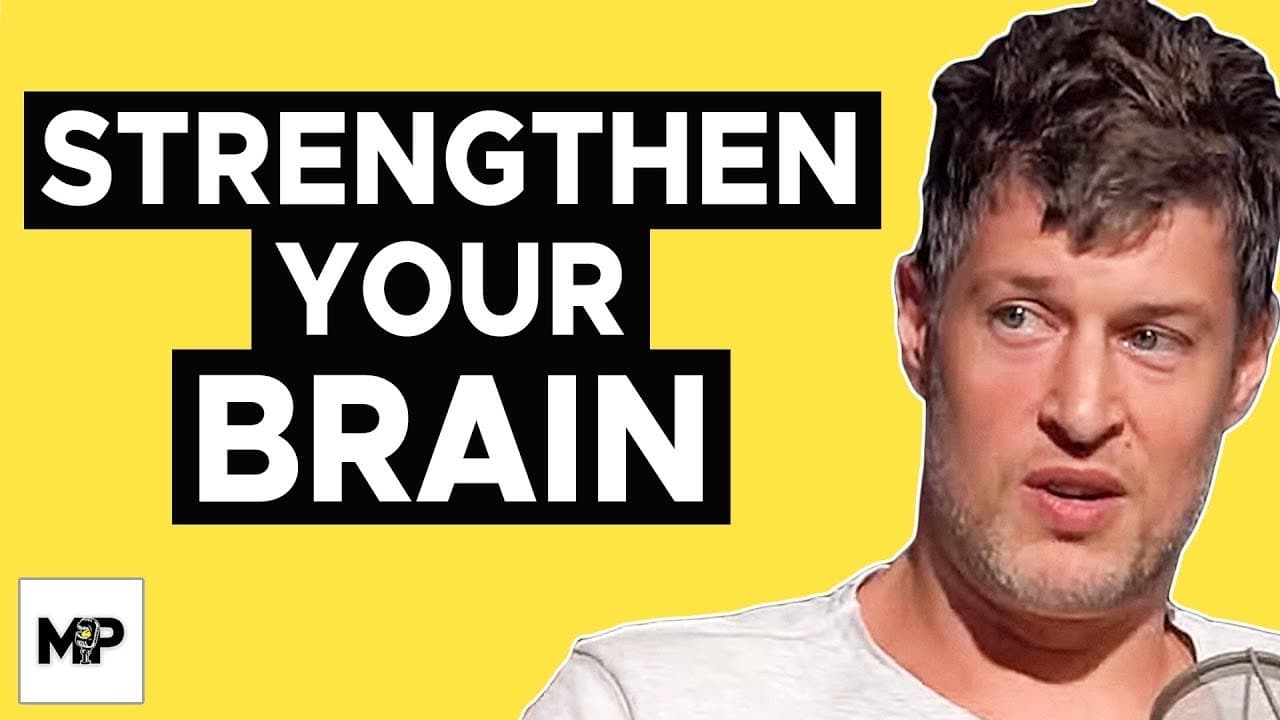
Alzheimer's disease is expected to triple by 2030, but prevention through diet and lifestyle is possible. New revelations show that a key study on Alzheimer's was based on fraudulent data, challenging the amyloid hypothesis. Max Lugavere emphasizes the importance of separating fact from fiction to nurture brain health.
Transcript
alzheimer's is a modern health crisis people just don't realize how big of a deal this is and you said it's a triple the number of what people with alzheimer's is going to triple by what 20 30 20 30. yeah it's less than 10 years yeah it's it's crazy i mean today if you make it to the age of 85 you have a 50 chance of being diagnosed yeah it's crazy... Read More
Key Insights
- Alzheimer's disease is projected to triple by 2030, making prevention crucial.
- A 2006 study on Alzheimer's was based on fraudulent data, questioning the amyloid hypothesis.
- The amyloid hypothesis has been the dominant theory guiding Alzheimer's drug research.
- Many older adults have amyloid plaques without cognitive deficits, challenging the hypothesis.
- Diet and lifestyle changes can play a significant role in preventing dementia.
- The serotonin model for depression is being questioned, impacting treatment approaches.
- Conflicts of interest in scientific research can skew findings, impacting public health.
- Max Lugavere's work focuses on preventing brain diseases through nutrition and lifestyle.
Install to Summarize YouTube Videos and Get Transcripts
Explore YouTube Video Summarizer or Get YouTube Transcript Extractor
Questions & Answers
Q: How can Alzheimer's disease be prevented?
Alzheimer's disease prevention can be approached through diet and lifestyle changes. Emphasizing whole, unprocessed foods, regular exercise, and minimizing exposure to toxins can help reduce risk. These strategies focus on maintaining brain health and addressing modifiable risk factors like obesity, hypertension, and diabetes.
Q: What is the amyloid hypothesis for Alzheimer's disease?
The amyloid hypothesis suggests that the accumulation of amyloid beta plaques in the brain is the primary cause of Alzheimer's disease. This theory has guided drug research for decades but is now being challenged due to revelations of fraudulent data and the presence of plaques in cognitively healthy individuals.
Q: Why is the serotonin model for depression being questioned?
The serotonin model for depression, which posits that a chemical imbalance causes depression, is being questioned due to a lack of evidence supporting differences in serotonin levels between depressed and non-depressed individuals. This challenges the basis for many antidepressant medications, although they remain effective for some.
Q: How do conflicts of interest affect scientific research?
Conflicts of interest in scientific research can lead to biased findings, as researchers may be influenced by funding sources, such as the food and pharmaceutical industries. This can skew public health recommendations and hinder the exploration of alternative hypotheses and treatments.
Q: What role does diet play in preventing dementia?
Diet plays a significant role in preventing dementia, as poor dietary choices can contribute to risk factors like obesity, hypertension, and diabetes. Emphasizing whole, nutrient-dense foods and reducing ultra-processed food intake can support brain health and reduce the risk of cognitive decline.
Q: What are the challenges in Alzheimer's drug research?
Alzheimer's drug research faces challenges due to the high failure rate of drug trials and the reliance on the amyloid hypothesis. Many drugs target amyloid plaques but fail to improve cognitive outcomes. The recent revelation of fraudulent data in a key study further complicates the search for effective treatments.
Q: What is Max Lugavere's approach to brain health?
Max Lugavere advocates for preventing brain diseases through diet and lifestyle changes. His work emphasizes the importance of whole, unprocessed foods, regular exercise, and minimizing exposure to environmental toxins. He aims to separate fact from fiction to nurture brain health and prevent cognitive decline.
Q: How does the documentary 'Little Empty Boxes' contribute to Alzheimer's awareness?
The documentary 'Little Empty Boxes,' created by Max Lugavere, highlights the potential for preventing dementia through diet and lifestyle. It shares personal experiences and scientific insights to raise awareness about the importance of nutrition and lifestyle in maintaining brain health and reducing the risk of cognitive decline.
Summary & Key Takeaways
-
Alzheimer's disease is a growing health crisis, with cases expected to triple by 2030. New revelations show that a key study supporting the amyloid hypothesis was based on fraudulent data, challenging decades of research. Max Lugavere emphasizes the importance of diet and lifestyle in preventing brain diseases.
-
The amyloid hypothesis has guided Alzheimer's drug research for years, but many older adults have amyloid plaques without cognitive deficits. This challenges the idea that amyloid is the cause of Alzheimer's. Alternative theories, like the metabolic origin theory, suggest other causes.
-
Max Lugavere's documentary, 'Little Empty Boxes,' highlights the potential for preventing dementia through diet and lifestyle. He advocates for separating fact from fiction to nurture brain health, emphasizing the role of nutrition and lifestyle in preventing cognitive decline.
Read in Other Languages (beta)
Share This Summary 📚
Summarize YouTube Videos and Get Video Transcripts with 1-Click
Try YouTube Summary with ChatGPT & Claude or YouTube Transcript Generator
Explore More Summaries from Mind Pump Show 📚





Summarize YouTube Videos and Get Video Transcripts with 1-Click
Try YouTube Summary with ChatGPT & Claude or YouTube Transcript Generator