Davos 2015 - The Global Agenda 2015
TL;DR
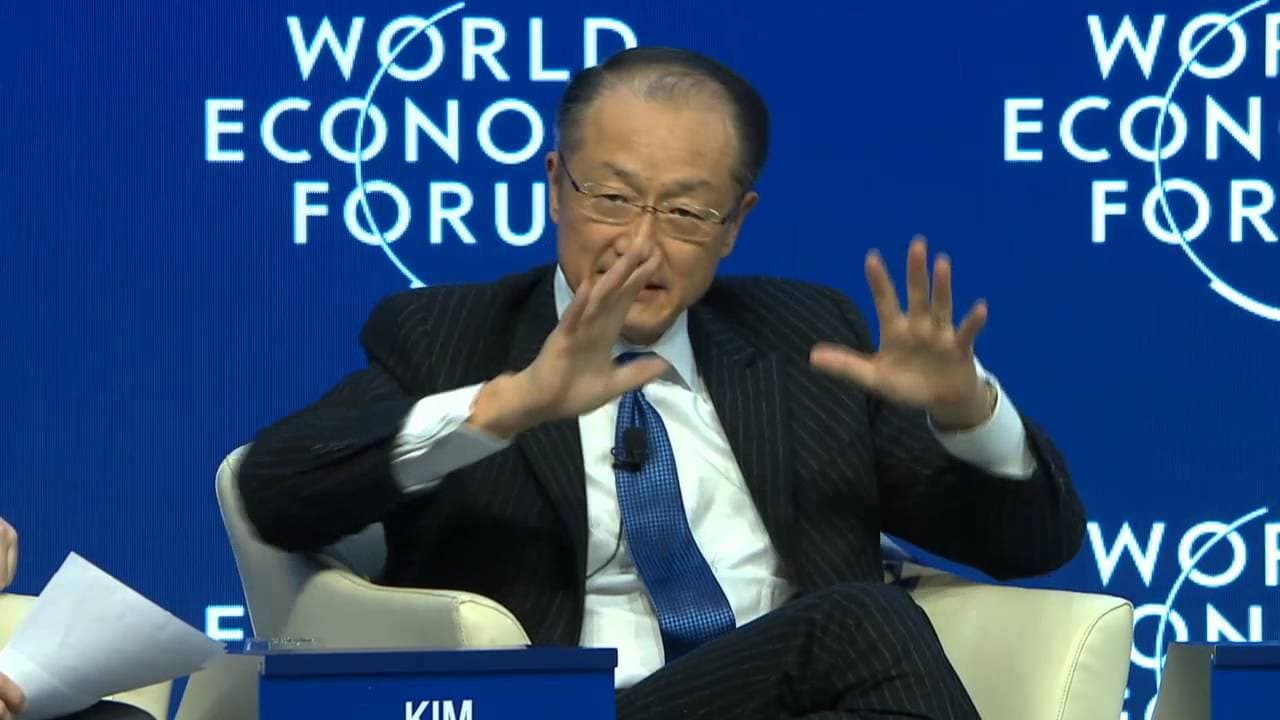
A panel of experts discuss the challenges and hopes for 2015, including volatility in global markets, the impact of falling oil prices, the need for structural reforms, concerns about inequality and financial sector behavior, and the importance of innovation and technology.
Transcript
a very warm welcome everybody to This Global agenda event at the world economic Forum over the next hour we're going to talk about some of the challenges the hopes the Ambitions that our panelists have for 2015 already in this January we've had a very busy time with central banks changing their policies with concerns about geopolitical tensions in ... Read More
Key Insights
- 🌐 Central banks changing policies and geopolitical tensions contribute to volatility in global markets.
- 🍉 Structural reforms are crucial for long-term growth, and countries like India, Indonesia, and Mexico are making progress in implementing them.
- 🍂 Falling oil prices have winners and losers, with some countries taking advantage of the opportunity for reform while others suffer.
- 👨💼 Inequality is a major concern, and business leaders need to address ethical and social impact to regain trust.
Install to Summarize YouTube Videos and Get Transcripts
Explore YouTube Video Summarizer or Get YouTube Transcript Extractor
Questions & Answers
Q: What are the consequences of downgrading global growth expectations?
Any decrease in global growth is a concern, as it affects societies worldwide. Last year, there was a divergence between countries such as the US, which had robust growth, and Europe and Japan, which were disappointing. It is important for countries to implement structural reforms and take advantage of the current low interest rates to ensure long-term growth.
Q: Will falling energy prices rejuvenate demand and bring back growth this year?
Lower oil prices can contribute to global growth by reducing costs and increasing consumer purchasing power. However, the impact is mixed, with winners like India and Indonesia taking advantage of low oil prices, and losers like Nigeria, Venezuela, and Russia suffering. It is crucial for countries to use this opportunity to remove fossil fuel subsidies and invest in sustainable growth.
Q: Is the financial sector being responsible and taking appropriate action after the financial crisis?
Many citizens distrust their governments and are angry at the financial sector for causing the crisis and receiving bailouts while the average citizen's income has not recovered. There is a need for leadership and courageous actions to address the ethics and social impact of the financial sector. Business leaders should commit to more responsible behavior and contribute to sustainable development.
Q: How will conflict and acts of terrorism impact global growth in 2015?
Conflict and terrorism can be destabilizing and have a negative impact on growth and corporate activity, especially in regions directly affected. However, the global economy has shown resilience in the face of conflicts that are not directly linked to major economic players. It is important to address conflicts and unrest to avoid further impact on the global economy.
Summary & Key Takeaways
-
Volatility in global markets due to central banks changing policies and geopolitical tensions.
-
Calls for structural reforms in countries like India, Indonesia, and Mexico to ensure long-term growth.
-
Impact of falling oil prices, with winners and losers among countries.
-
Concerns about inequality and the need for business leaders to address ethical and social impact.
-
Optimism about the potential for growth and innovation through technology.
Read in Other Languages (beta)
Share This Summary 📚
Summarize YouTube Videos and Get Video Transcripts with 1-Click
Try YouTube Summary with ChatGPT & Claude or YouTube Transcript Generator
Explore More Summaries from World Economic Forum 📚
Summarize YouTube Videos and Get Video Transcripts with 1-Click
Try YouTube Summary with ChatGPT & Claude or YouTube Transcript Generator