Davos Annual Meeting 2010 - Global Economic Outlook

TL;DR
The global economy is recovering from the financial crisis, but challenges still remain in terms of short-term recovery and long-term structural issues.
Transcript
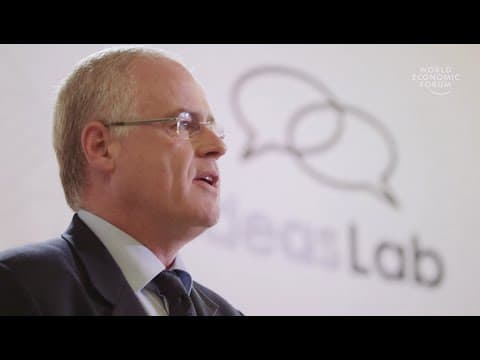
Martin Wolf, Associate Editor and Chief Economics Commentator, Financial Times, United Kingdom; Global Agenda Council on Systemic Financial Risk: Good morning. We're going to start nice and promptly. My name is Martin Wolf, the Financial Times. I have had the pleasure of moderating this session on several occasions and it's always been very exci... Read More
Key Insights
- 🌐 The recovery of the global economy is still fragile and largely supported by public funding.
- 💝 Policymakers need to carefully consider when to exit stimulus measures to avoid risks of withdrawal being too early or too late.
- ❓ Financial sector reform is necessary, but coordination among countries is crucial to avoid inconsistent regulations.
- 🌐 Rebalancing global demand is essential for sustainable growth, but it will take time and international collaboration.
Install to Summarize YouTube Videos and Get Transcripts
Explore YouTube Video Summarizer or Get YouTube Transcript Extractor
Questions & Answers
Q: What is the state of the global economy in terms of the recovery from the financial crisis?
The global economy is recovering, but the recovery is still fragile and largely supported by public funding rather than private demand.
Q: When should countries exit stimulus measures?
Timing should be carefully considered to avoid both exiting too early, which could lead to risks of another downturn, and exiting too late, which could result in increased public debt.
Q: How can financial sector reform be coordinated effectively among countries?
Coordination among countries is necessary to avoid inconsistent regulations and to ensure that financial sector reforms are implemented in a way that supports global stability.
Q: What are some long-term structural challenges in the global economy?
Rebalancing global demand, addressing global imbalances, and managing the rise of state capitalism are some of the long-term structural challenges in the global economy.
Summary & Key Takeaways
-
The global economy is recovering from the financial crisis, but the recovery is still fragile and largely supported by public funding rather than private demand.
-
Policymakers need to carefully consider when to exit stimulus measures to avoid risks of withdrawal being too early or too late.
-
Financial sector reform is essential to prevent future crises, but coordination among countries is crucial to avoid inconsistent regulations.
-
Rebalancing global demand and addressing global imbalances is necessary for sustainable growth, but it will take time and international collaboration.
-
Structural changes in the global economy, including shifting to domestic-led growth in emerging economies and the rise of state capitalism, require careful management and coordination.
Read in Other Languages (beta)
Share This Summary 📚
Summarize YouTube Videos and Get Video Transcripts with 1-Click
Try YouTube Summary with ChatGPT & Claude or YouTube Transcript Generator
Explore More Summaries from World Economic Forum 📚
Summarize YouTube Videos and Get Video Transcripts with 1-Click
Try YouTube Summary with ChatGPT & Claude or YouTube Transcript Generator