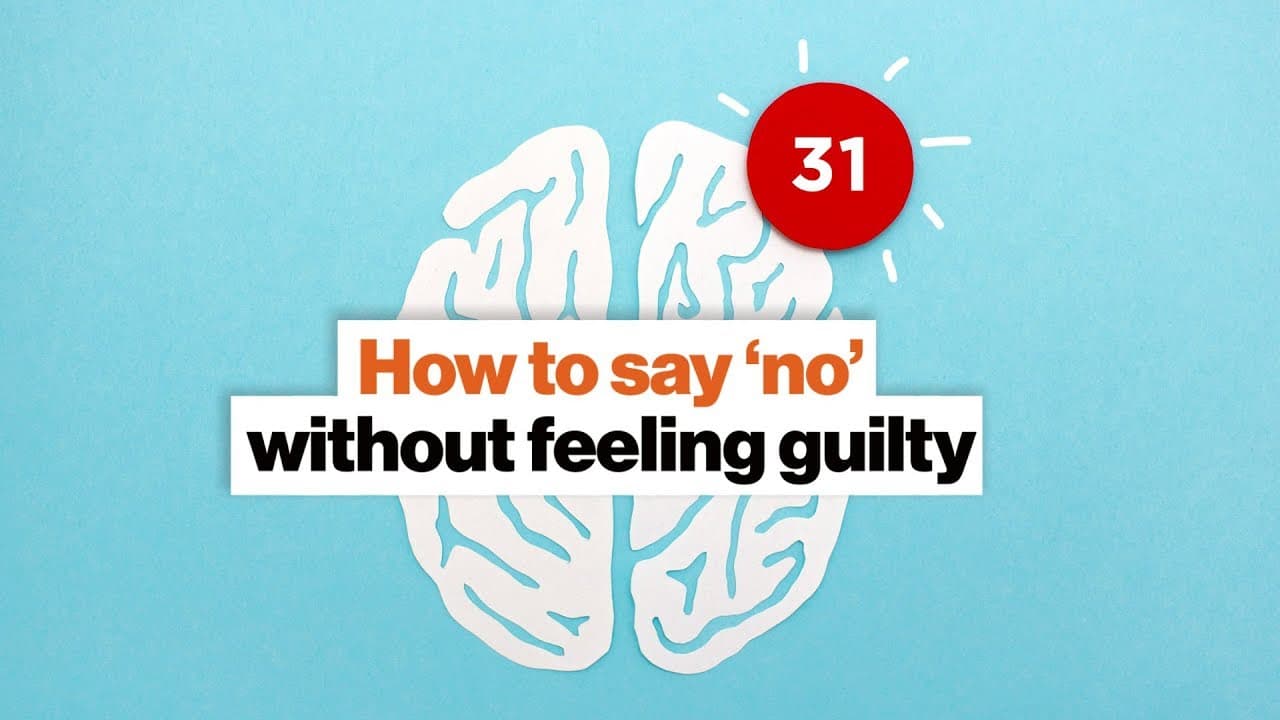
Saying no is hard. These communication tips make it easy. | Michelle Tillis Lederman | Big Think
TL;DR
Learn how to say "no" and qualify your "yes" by using phrases like "no, but" and "yes, if" to manage expectations and build relationships.
Transcript
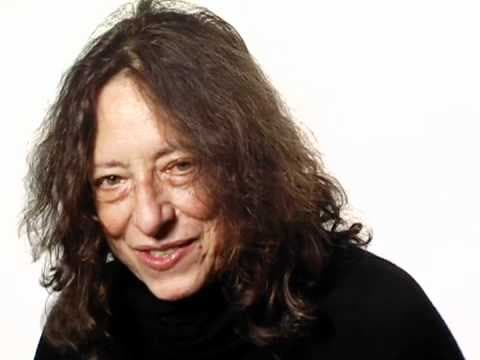
MICHELLE TILLIS LEDERMAN: "No" doesn't feel so good. We feel a little uncomfortable. We feel bad saying no. "No" to something is "yes" to something else. And that's the first thing you need to think about to give yourself permission to say no. My husband actually put a sticky note on my computer for about a year with the word "no" on it. And it rea... Read More
Key Insights
- ⌛ Saying "no" gives us permission to prioritize our time and energy.
- ❓ Using phrases like "no, but" offers an opportunity for future cooperation or alternative solutions.
- 😃 Qualifying our "yes" allows us to manage expectations and commitments effectively.
- 😃 Giving ourselves breathing room in following through on our "yes" can prevent burnout and maximize our productivity.
- 😃 Building relationships requires balancing saying "no" and qualifying our "yes."
- 🆘 Saying "no, but" helps avoid avoiding extended relationships.
- 🛀 Providing alternative resources or suggestions when saying "no, but" shows willingness to help.
Install to Summarize YouTube Videos and Get Transcripts
Explore YouTube Video Summarizer or Get YouTube Transcript Extractor
Questions & Answers
Q: Why do we often struggle to say "no"?
Saying "no" can make us feel uncomfortable or guilty because we often want to please others and maintain positive relationships. However, it's important to set boundaries and prioritize our own needs.
Q: How can we say "no" without coming across as rude or unhelpful?
One effective way to say "no" is by using the phrase "no, but" followed by a suggestion, alternative solution, or condition for a future "yes." This shows that you still care about the person's request and are open to finding a solution.
Q: How can we qualify our "yes" to manage expectations and commitments?
Qualifying your "yes" can help ensure that you have the necessary resources, time, or support to follow through effectively. You can use phrases like "yes, if," "yes, after," "yes, with," or "yes, when" to establish conditions or timelines for your commitment.
Q: How can qualifying our "yes" benefit our relationships?
By qualifying our "yes," we can manage expectations and avoid overcommitting ourselves. This leads to more reliable follow-through and stronger trust in our relationships. Additionally, providing alternative solutions or resources when saying "no, but" helps maintain positive connections.
Summary & Key Takeaways
-
Saying "no" is important because it allows you to prioritize your time and energy effectively, and saying "yes" can be qualified to ensure it aligns with your goals and needs.
-
Using phrases like "no, but" provides an opportunity for a future "yes" or alternative solutions, helping maintain relationships.
-
"Yes, if," "yes, after," "yes, with," and "yes, when" are all ways to qualify your "yes" and give yourself flexibility in follow-through.
Read in Other Languages (beta)
Share This Summary 📚
Summarize YouTube Videos and Get Video Transcripts with 1-Click
Try YouTube Summary with ChatGPT & Claude or YouTube Transcript Generator
Explore More Summaries from Big Think 📚


Summarize YouTube Videos and Get Video Transcripts with 1-Click
Try YouTube Summary with ChatGPT & Claude or YouTube Transcript Generator