The upside of rejection: How hearing “no” can lead to success | Matt Dixon| Big Think
TL;DR
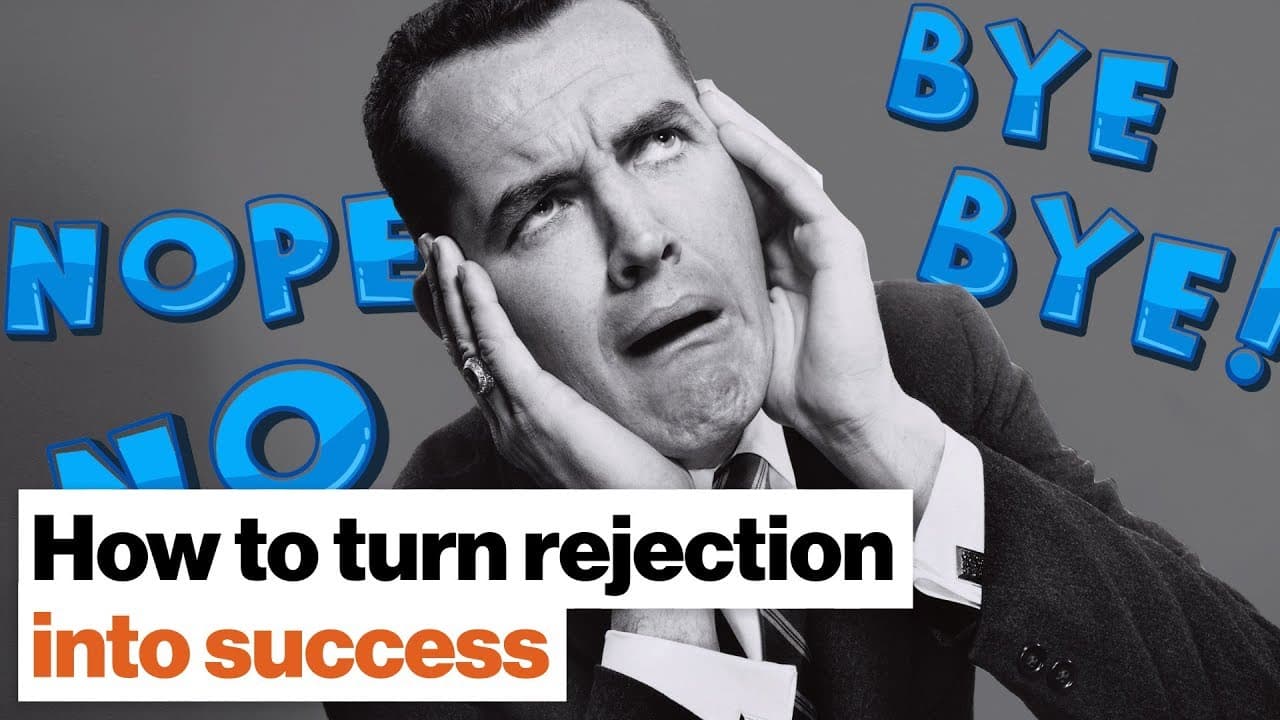
Salespeople face a lot of rejection, but it's important to not take it personally and instead use it as an opportunity to learn and improve.
Transcript
When I think about the job of being a salesperson—and there’s so much great work out there, you know, Dan Pink’s book 'To Sell Is Human' is a great piece that really speaks to the fact that we’re all salespeople, whether we’re teachers or we’re actually salespeople for a living or we’re business leaders or community leaders, we're selling, we’re se... Read More
Key Insights
- ✋ Salespeople experience a high level of rejection, making their ability to handle it and learn from it crucial for success.
- 🐕🦺 Rejection is not a personal reflection but can indicate the need for improvement in insight delivery, storytelling, or product/service offerings.
- ❓ Separating personal feelings from professional outcomes is essential in using rejection as a learning opportunity.
- 🆘 Understanding the motivations behind rejection can help in sharpening messages and techniques.
- 🫷 Budget constraints are often a smokescreen reason for rejection, and salespeople should push for deeper understanding.
- 🛟 The lessons learned from sales rejection can be applied to various aspects of life, where effective communication and persuasion are needed.
- 🪡 Rejection provides valuable feedback to refine approaches and meet customer needs better.
Install to Summarize YouTube Videos and Get Transcripts
Explore YouTube Video Summarizer or Get YouTube Transcript Extractor
Questions & Answers
Q: Why is it important for salespeople to not take rejection personally?
It's crucial for salespeople to understand that rejection is not a reflection of their personal worth, but rather a response to their sales approach, product, or service. Taking rejection personally can hinder growth and prevent learning from valuable feedback.
Q: How can salespeople benefit from hearing "no"?
Hearing "no" allows salespeople to gain insights into what is not working and identify areas for improvement with their insights, storytelling, or product/service. It helps them tailor their approach to better meet customer needs and preferences.
Q: Can rejection be viewed as an opportunity for growth?
Absolutely. Rejection provides an opportunity to reflect on one's sales tactics, understand customer pain points better, and collaborate with colleagues to fine-tune the message. By learning from rejection, salespeople can constantly improve and become more successful.
Q: How can the lessons learned from sales rejection be applied to other areas of life?
The lessons learned from sales rejection can be applied to various areas of life, such as teaching, leadership, parenting, and pitching ideas to others. By understanding the reasons behind rejection, one can tailor their messages and approaches to be more persuasive and effective.
Summary & Key Takeaways
-
Salespeople often face a high level of rejection, with only a small percentage of their efforts resulting in success.
-
Receiving a "no" from a potential customer can provide valuable insights into the effectiveness of one's approach, the quality of the product or service being sold, and the overall resonance with the target audience.
-
It is crucial for salespeople to separate personal feelings from professional outcomes and use the feedback from rejection to enhance their skills and refine their sales techniques.
Read in Other Languages (beta)
Share This Summary 📚
Summarize YouTube Videos and Get Video Transcripts with 1-Click
Try YouTube Summary with ChatGPT & Claude or YouTube Transcript Generator
Explore More Summaries from Big Think 📚




Summarize YouTube Videos and Get Video Transcripts with 1-Click
Try YouTube Summary with ChatGPT & Claude or YouTube Transcript Generator