How to Lose Fat Without a Strict Diet
TL;DR
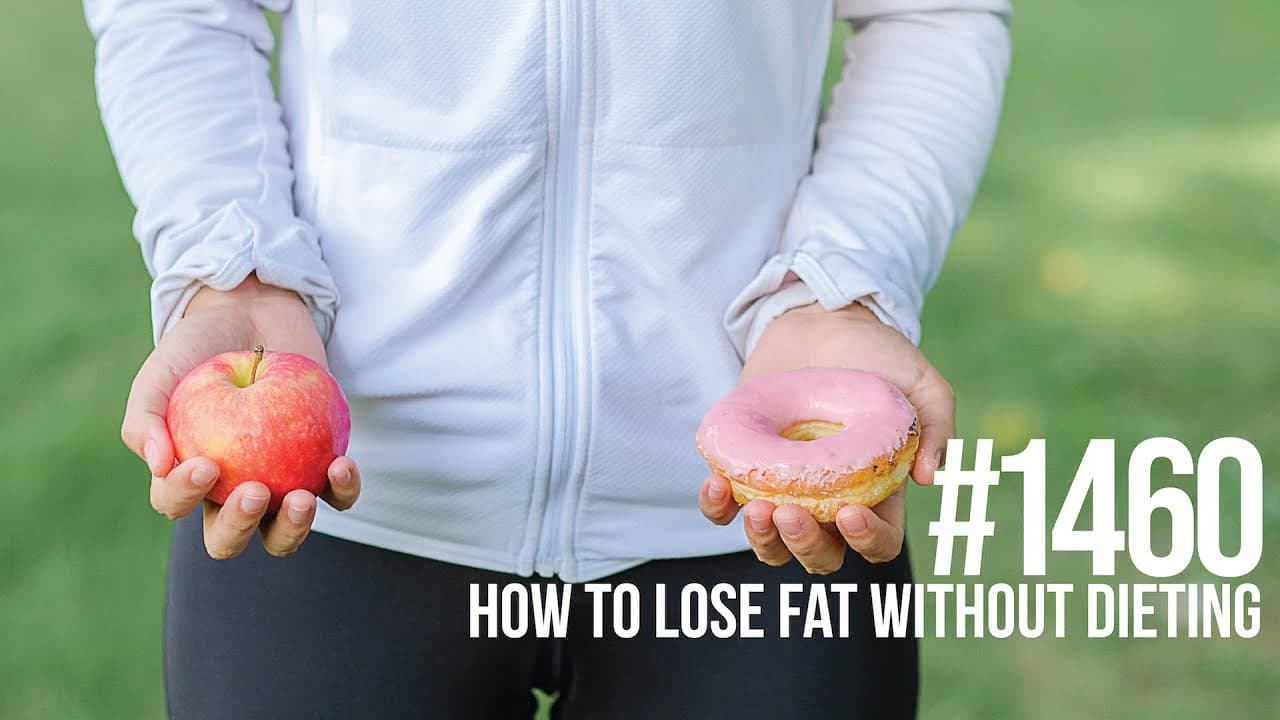
Achieving fat loss doesn't require strict dieting. Focus on five key habits: prioritize protein intake, reduce bad habits, track food for mindfulness, walk 10 minutes after meals, and drink plenty of water. These sustainable practices help preserve muscle and metabolism, leading to long-term fat loss without the need for calorie counting or restrictive meal plans.
Transcript
you're listening to the number one fitness health and entertainment podcast this is mind pump now in today's episode we talk about fat loss i know right now beginning of the year everybody is interested in probably improving their body composition the average person gains body fat uh over the holiday season and gyms tend to get packed uh in january... Read More
Key Insights
- Creating new behaviors is essential for sustainable fat loss.
- Prioritizing protein intake helps preserve muscle and boosts metabolism.
- Reducing bad habits, like eating out, can significantly cut calorie intake.
- Tracking food consumption increases mindfulness and encourages better choices.
- Walking 10 minutes after each meal aids digestion and improves insulin sensitivity.
- Drinking half to one gallon of water daily helps curb appetite and reduce calorie intake.
- Mindfulness practices often outperform strict diets in achieving long-term results.
- These strategies can lead to significant fat loss without the need for a strict diet.
Install to Summarize YouTube Videos and Get Transcripts
Explore YouTube Video Summarizer or Get YouTube Transcript Extractor
Questions & Answers
Q: How to lose fat without following a strict diet?
To lose fat without a strict diet, focus on sustainable habits. Prioritize protein intake to preserve muscle and boost metabolism, reduce bad habits like frequent eating out, track food for mindfulness, walk 10 minutes after meals to aid digestion, and drink plenty of water to curb appetite. These practices support long-term fat loss without calorie counting.
Q: What are the benefits of prioritizing protein intake?
Prioritizing protein intake helps preserve muscle mass, boosts metabolism, and increases satiety, leading to natural calorie reduction. It supports muscle building and maintenance, which is crucial for long-term fat loss. Consuming adequate protein can also reduce cravings and prevent overeating, making it a key component of sustainable fat loss strategies.
Q: Why is tracking food important for fat loss?
Tracking food intake increases mindfulness, helping individuals become more aware of their eating habits and make better choices. This practice doesn't require strict calorie counting but encourages conscious eating, which can lead to natural calorie reduction and improved nutrition. Mindfulness from tracking often results in healthier eating patterns and supports long-term fat loss.
Q: How does walking after meals aid in fat loss?
Walking 10 minutes after meals aids digestion, improves insulin sensitivity, and contributes to calorie expenditure. This simple habit helps regulate blood sugar levels and enhances nutrient absorption, reducing the likelihood of fat storage. Additionally, it encourages regular physical activity, which is beneficial for overall health and supports sustainable fat loss.
Q: What is the role of water intake in fat loss?
Drinking half to one gallon of water daily helps curb appetite, reduces calorie intake, and supports metabolic processes. Proper hydration can prevent mistaking thirst for hunger, leading to less snacking and overeating. It also aids in digestion and reduces water retention, contributing to a healthier body composition and supporting long-term fat loss.
Q: How can reducing bad habits contribute to fat loss?
Reducing bad habits, such as frequent eating out or consuming high-calorie snacks, can significantly lower calorie intake. By identifying and minimizing these habits, individuals can create a healthier lifestyle that supports fat loss. This approach encourages making better food choices and adopting sustainable behaviors, which are crucial for long-term success.
Q: What are mindfulness practices in the context of fat loss?
Mindfulness practices involve being fully aware and present during eating, which can include tracking food, paying attention to hunger cues, and savoring each bite. These practices help individuals make conscious food choices, leading to natural calorie reduction and improved nutrition. Mindfulness often outperforms strict diets in achieving sustainable fat loss.
Q: Why is it important to focus on behavior change for fat loss?
Focusing on behavior change is crucial for sustainable fat loss because it addresses the root causes of unhealthy eating patterns. By creating new, healthier habits, individuals can achieve long-term results without relying on restrictive diets. Behavior change supports a balanced lifestyle, making it easier to maintain a healthy weight and improve overall well-being.
Summary & Key Takeaways
-
Achieving fat loss without strict dieting involves focusing on sustainable habits. Prioritizing protein intake helps preserve muscle and boosts metabolism, leading to natural calorie reduction. These strategies are effective without requiring calorie counting or restrictive meal plans.
-
Reducing bad habits, like frequent eating out, can significantly cut calorie intake. Tracking food consumption increases mindfulness, encouraging better choices. Walking 10 minutes after each meal aids digestion and improves insulin sensitivity, contributing to long-term fat loss.
-
Drinking half to one gallon of water daily helps curb appetite and reduce calorie intake. These practices, combined with a focus on behavior change, can lead to significant fat loss without needing a strict diet, supporting sustainable and healthy body composition improvements.
Read in Other Languages (beta)
Share This Summary 📚
Summarize YouTube Videos and Get Video Transcripts with 1-Click
Try YouTube Summary with ChatGPT & Claude or YouTube Transcript Generator
Explore More Summaries from Mind Pump Show 📚
Summarize YouTube Videos and Get Video Transcripts with 1-Click
Try YouTube Summary with ChatGPT & Claude or YouTube Transcript Generator