How to Register a UK Ltd Company (Step by Step Tutorial) | Plus The Top 10 Things You Need to Know
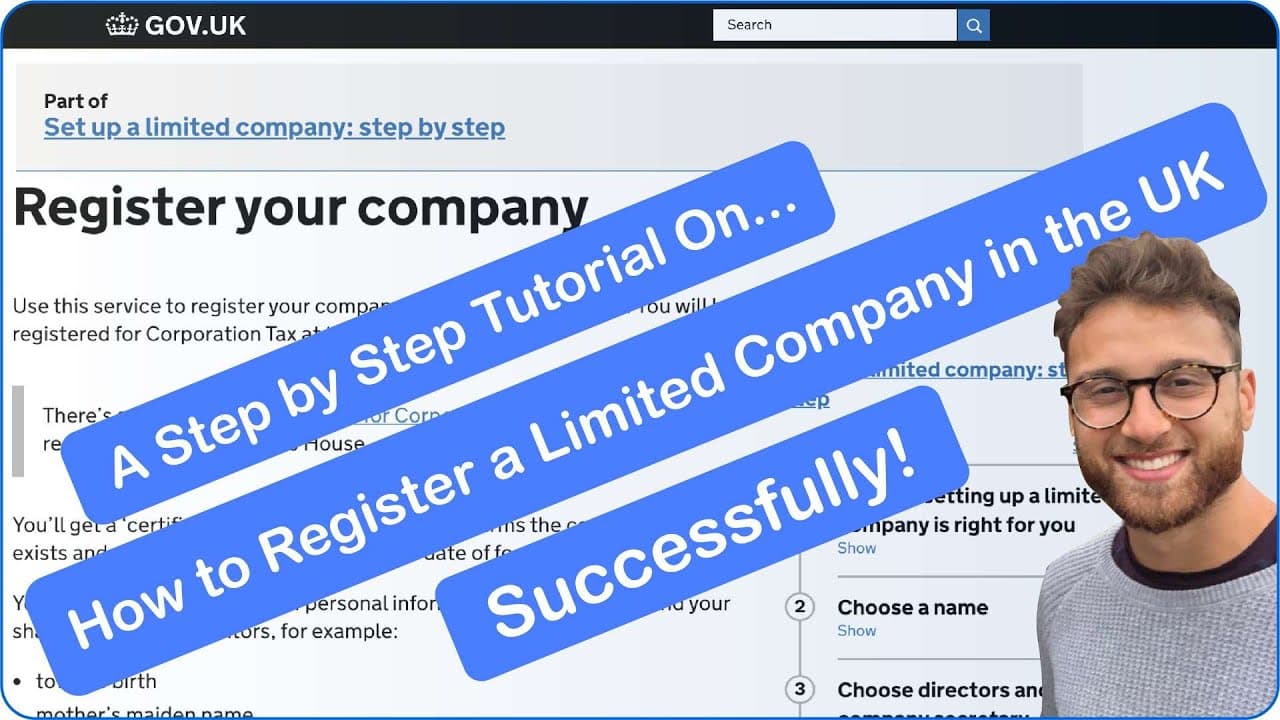
TL;DR
Step-by-step guide to register a UK limited company.
Transcript
hey guys it's mario here from i hustle and today i'll be using a real life example to show you how to register a limited company in the uk via this step-by-step video i'm sure most of you know there's plenty of ways of registering a limited company with varying price and time scales but today i'll be showing ... Read More
Key Insights
- A limited company is a separate legal entity, protecting personal assets from business liabilities unless fraud is involved.
- The SIC code is crucial for tax purposes and industry classification; choosing the correct one can prevent future complications.
- Directors run the business, shareholders own it, and a company secretary handles paperwork, though the latter is optional.
- Registering a company can take 10-15 days, including setting up a business bank account, which is necessary for trading.
- Choosing the right bank is vital, especially if dealing with international transactions; digital banks offer better currency conversion rates.
- Annual costs include a £12 registration fee and a £13 confirmation statement fee, along with potential accountant fees.
- Hiring an accountant is advisable for navigating complex financial regulations, especially if planning to scale the business.
- Company names are not protected by registration alone; trademarking is necessary for exclusive rights.
Install to Summarize YouTube Videos and Get Transcripts
Explore YouTube Video Summarizer or Get YouTube Transcript Extractor
Questions & Answers
Q: What is a limited company and why is it beneficial?
A limited company is a separate legal entity formed by directors and shareholders, offering limited liability protection. This means personal assets are protected from business liabilities, such as debts or legal actions, unless fraud is involved. This structure provides credibility and potential tax benefits.
Q: Why is selecting the correct SIC code important?
The SIC code classifies the industry for tax purposes and regulatory compliance. Choosing the correct SIC code helps avoid future issues with HMRC, such as incorrect tax rates or additional costs. It is essential for VAT registration and can impact business operations, especially in investment or property sectors.
Q: What roles are necessary when setting up a limited company?
When setting up a limited company, you must assign roles such as directors, shareholders, and optionally, a company secretary. Directors manage the business operations, shareholders own the company, and the company secretary handles administrative tasks. These roles can overlap, especially in small companies.
Q: What are the timeframes for registering a limited company?
Registering a limited company typically takes 24 hours for the application to go live if no issues arise. However, opening a business bank account may take an additional 10 business days, making the overall process approximately 10-15 days from start to finish, including setting up essential services.
Q: How do you choose the right business bank account?
Choosing a business bank account involves considering factors like transaction fees, currency conversion rates, and FSCS protection. Traditional banks offer stability but may have higher fees, while digital banks provide better rates for international transactions. Consider your business needs and transaction volume.
Q: Is hiring an accountant necessary for a limited company?
While not legally required, hiring an accountant is highly recommended for limited companies. Accountants provide expertise in financial regulations, help with tax planning, and ensure compliance, potentially saving significant amounts of money. They offer valuable advice, especially for businesses planning to grow.
Q: What is the difference between a trading address and a registered office address?
A trading address is where business operations occur, such as an office or home, while the registered office address is where official correspondence from Companies House is sent. The registered office address is public and can be a virtual address, while the trading address is used for customer interactions.
Q: How can a company name be protected?
Registering a company name with Companies House prevents others from using the exact or similar name for registration. However, it does not protect against usage in marketing or branding. To secure exclusive rights, the company name or brand should be trademarked, providing legal protection against unauthorized use.
Summary & Key Takeaways
-
The video provides a comprehensive guide on registering a limited company in the UK, emphasizing the importance of understanding company structure, roles, and responsibilities. It highlights the significance of selecting the correct SIC code for tax purposes and future-proofing the business.
-
Discusses the timelines and processes involved in setting up a company, including opening a business bank account and choosing the right banking services. The video also covers the costs associated with maintaining a limited company, such as registration and annual confirmation statement fees.
-
Stresses the importance of hiring an accountant to navigate financial complexities and save money in the long run. It also explains the difference between a trading address and a registered office address, and the necessity of trademarking a company name for protection.
Read in Other Languages (beta)
Share This Summary 📚
Summarize YouTube Videos and Get Video Transcripts with 1-Click
Try YouTube Summary with ChatGPT & Claude or YouTube Transcript Generator