Through the Labyrinth: A Guide to Navigating Chaos
TL;DR
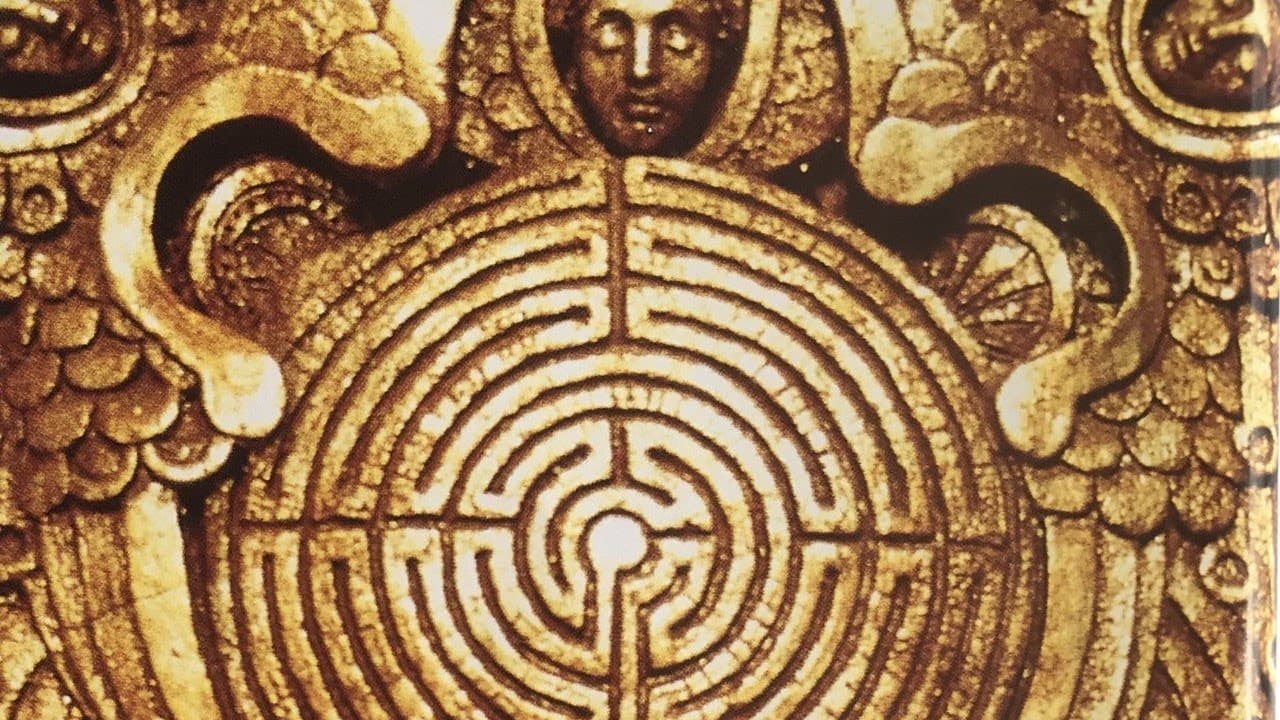
The labyrinth symbolizes life's complex path, offering transformation or disorientation.
Transcript
“Not all those who wander are lost.” Confusion, wandering, isolation, darkness, disorientation—all evoke the labyrinth, a complex network of paths in which it is difficult to find one’s way out. Or do they? Today, the term “labyrinth” is used as a synonym for “maze”, which is technically incorrect. As we’ll see, the labyrinth’s original me... Read More
Key Insights
- The labyrinth is an ancient symbol dating back to the Bronze Age, often misunderstood as a maze, representing life's journey with its twists and turns.
- Labyrinths differ from mazes; labyrinths have a single path leading to the center, while mazes have multiple paths and dead ends, symbolizing chaos.
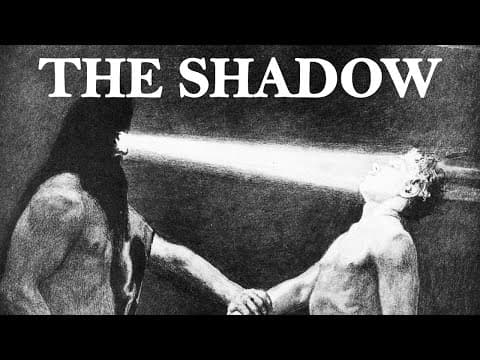
- In mythology, the labyrinth houses the Minotaur, embodying the shadow self and the consequences of human defiance against divine will.
- The labyrinth is linked with spiritual and psychological transformation, representing a journey of self-discovery, symbolic death, and rebirth.
- Various cultures associate labyrinths with protection, initiation, and spiritual enlightenment, using them in rituals to ward off evil and guide spiritual journeys.
- The labyrinth appears in architecture, art, literature, and rituals, symbolizing the path to self-realization and the balance between chaos and order.
- In literature, the labyrinth serves as a metaphor for existential anxiety and the human struggle for meaning amidst freedom and choice.
- The labyrinth's symbolism extends to alchemy and mysticism, representing the journey to the self and the integration of opposites for wholeness.
Install to Summarize YouTube Videos and Get Transcripts
Explore YouTube Video Summarizer or Get YouTube Transcript Extractor
Questions & Answers
Q: What is the primary difference between a labyrinth and a maze?
A labyrinth is unicursal, meaning it has a single path leading to the center without any dead ends, symbolizing order and a predictable journey. In contrast, a maze is multicursal, featuring multiple paths, dead ends, and choices, symbolizing chaos and the potential for getting lost.
Q: How does the labyrinth relate to Greek mythology?
In Greek mythology, the labyrinth is most famously associated with the Minotaur, a creature housed within it by King Minos of Crete. The labyrinth was constructed by Daedalus to contain the Minotaur, symbolizing the consequences of defying the gods and the psychological concept of the shadow self.
Q: What does the labyrinth symbolize in spiritual and psychological contexts?
The labyrinth symbolizes a journey of self-discovery, transformation, and enlightenment. It represents a path of initiation, where one undergoes a symbolic death and rebirth, integrating the conscious and unconscious aspects of the self to achieve wholeness and balance between chaos and order.
Q: How is the labyrinth used in literature and art?
In literature and art, the labyrinth serves as a metaphor for the complexity and unpredictability of life. It symbolizes existential anxiety, the struggle for meaning, and the human experience of navigating freedom and choice. It appears in various forms, reflecting its rich symbolism and cultural significance.
Q: What role does the labyrinth play in rituals and religious practices?
The labyrinth is used in rituals and religious practices as a symbol of the spiritual journey and path to enlightenment. It is often employed in initiation rites, serving as a metaphor for the passage from the profane to the sacred, and is believed to offer protection from evil and guide spiritual seekers.
Q: How does the labyrinth relate to alchemy and mysticism?
In alchemy and mysticism, the labyrinth symbolizes the Great Work of transformation and the journey to the self. It represents the integration of opposites, such as chaos and order, and the pursuit of wholeness. The labyrinth's spiraling path mirrors the alchemical process of achieving spiritual enlightenment and self-realization.
Q: What is the historical significance of the labyrinth?
Historically, the labyrinth dates back to the Bronze Age and has appeared in various cultures worldwide. It was used as a symbol of protection, initiation, and spiritual guidance. Its design and meaning have evolved over time, reflecting its enduring significance as an archetype of the human experience.
Q: How does the labyrinth reflect the human experience of freedom and choice?
The labyrinth reflects the human experience of freedom and choice by symbolizing the existential anxiety that arises from navigating life's complexities. It represents the challenge of making decisions and finding meaning amidst the infinite possibilities of life, highlighting the balance between chaos and order in the journey to self-realization.
Summary & Key Takeaways
-
The labyrinth is a complex symbol, often confused with a maze, representing life's journey with its challenges and opportunities for transformation. Its origins date back to the Bronze Age and it appears in various cultural contexts, symbolizing protection, initiation, and spiritual enlightenment.
-
In mythology, particularly Greek, the labyrinth houses the Minotaur and represents the shadow self. It is associated with spiritual and psychological transformation, serving as a metaphor for existential anxiety and the human quest for meaning amidst chaos and freedom.
-
The labyrinth is used in rituals and literature to symbolize the path to self-realization, protection from evil, and the balance between chaos and order. It is linked to alchemy and mysticism, representing the journey to the self and the integration of opposites for wholeness.
Read in Other Languages (beta)
Share This Summary 📚
Summarize YouTube Videos and Get Video Transcripts with 1-Click
Try YouTube Summary with ChatGPT & Claude or YouTube Transcript Generator
Explore More Summaries from Eternalised 📚
Summarize YouTube Videos and Get Video Transcripts with 1-Click
Try YouTube Summary with ChatGPT & Claude or YouTube Transcript Generator