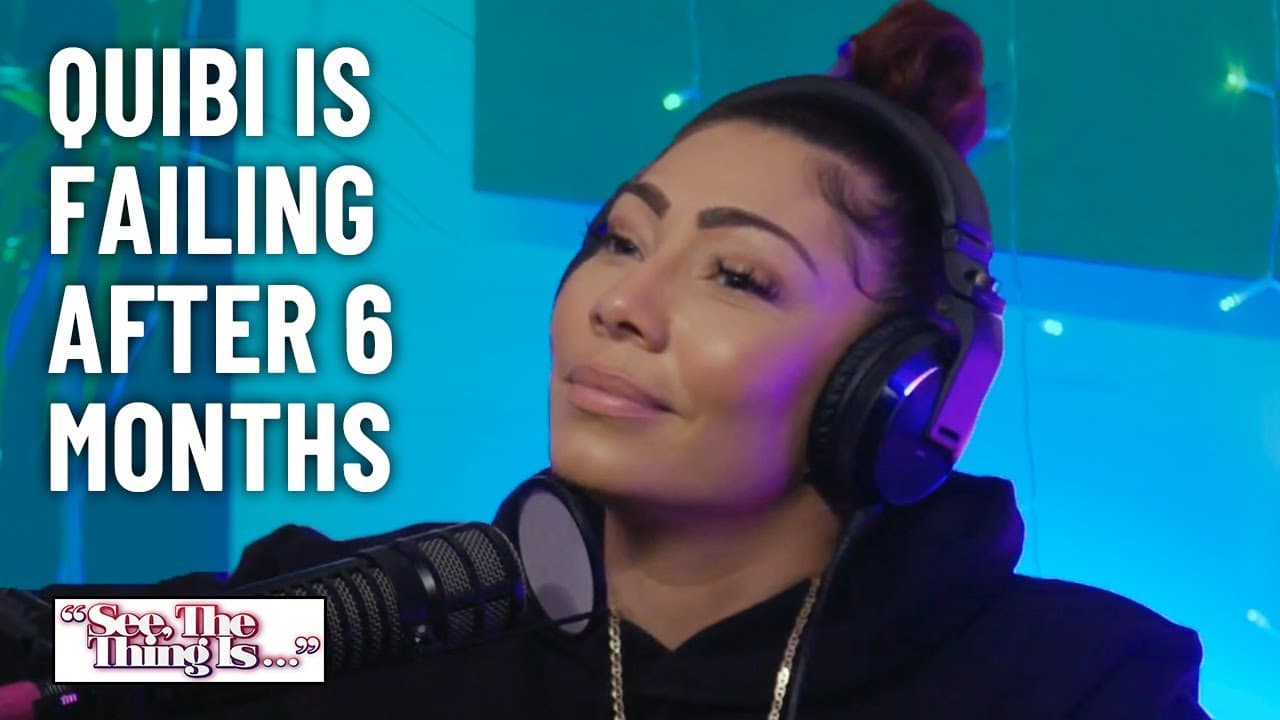
Quibi Is Failing After 6 Months | See, The Thing Is
TL;DR
Quibi failed due to poor marketing, lack of content, and misunderstanding audience preferences.
Transcript
could be quirby's a mess quick bite is right quibby is short for quick bite and that literally what is what that network was a quick bite of some programming y'all didn't [ __ ] watch and now they're in the hole over two billion dollars that launch was so awful that was such an awful like there was no it was just a bunch of faces and figureheads an... Read More
Key Insights
- 🫵 Quibi's advertising primarily relied on celebrity endorsements, which did not translate to viewer interest or loyalty.
- 🤩 Audience engagement requires substantial content and unique narratives, rather than just star power.
- 🫵 A mobile-only viewing experience does not cater to the multitasking behavior of modern audiences.
- 🏛️ Effective marketing strategies must be built upon clear communication of a platform’s value proposition.
- 👶 Market research is crucial for understanding audience needs and expectations before launching a new platform.
- 🫵 The social media strategy alone is insufficient to build a dedicated viewer base for a subscription service.
- 🥺 The pandemic's unique circumstances created inflated expectations for new content platforms, ultimately leading to disappointment.
Install to Summarize YouTube Videos and Get Transcripts
Explore YouTube Video Summarizer or Get YouTube Transcript Extractor
Questions & Answers
Q: What specific missteps did Quibi make during its launch?
Quibi's launch was marred by a lack of clarity regarding its purpose and offerings. The marketing failed to convey what set it apart, as it leaned heavily on celebrity content without a cohesive narrative or compelling programming. This caused confusion and apathy among potential viewers who lacked a clear understanding of what Quibi represented.
Q: How did Quibi's content strategy contribute to its failure?
The content strategy of Quibi relied too heavily on A-list celebrities and star power rather than on strong, engaging narratives. While celebrity involvement initially attracted attention, it did not translate into sustained interest. Viewers quickly recognized that much of the content felt hollow and unoriginal, leading to a swift decline in subscriptions.
Q: What marketing approaches could have improved Quibi’s chances?
Quibi could have benefited from a more diversified marketing strategy. Instead of focusing solely on celebrity endorsements, it should have employed clear, relatable messaging about its unique programming. Creating buzz through targeted audiences, interesting promotions, and collaborations with content creators might have generated genuine interest and user engagement.
Q: Why were viewers not drawn to Quibi’s mobile-only format?
The mobile-only format was a significant drawback, as it limited usability and audience engagement. Many viewers prefer watching shows on larger screens where they can fully immerse themselves. Additionally, the multitasking nature of using smartphones led to shorter viewing times and distractions, which further inhibited the app's success.
Q: How could Quibi have better researched its target audience?
Quibi should have conducted extensive market research to identify viewer preferences and behavior patterns. Surveys and focus groups could have clarified what potential audiences were seeking in short-form content and the types of programs that would compel them to subscribe. Understanding audience needs is crucial for developing resonant content.
Q: What lessons can be learned from Quibi's failure for future platforms?
Quibi's downfall highlights the importance of understanding audience behavior, creating engaging content, and employing effective marketing strategies. Future platforms should emphasize value and substance rather than just celebrity involvement, ensuring that they offer a compelling reason for viewers to subscribe and engage continuously.
Q: What impact did the pandemic lockdown have on Quibi's launch?
The pandemic lockdown was seen as an opportunity for Quibi, but it ironically contributed to its downfall. Although many users were home and looking for new content, the lack of engaging programming and effective marketing led to disinterest. The reliance on an unprecedented context for success was ultimately misguided.
Q: How does Quibi compare to other streaming services like Amazon Prime Video?
Unlike Amazon Prime Video, which leverages its robust existing user base and a variety of original content, Quibi's strategy was much narrower and less engaging. While Prime Video encouraged subscriptions through bundled perks and diverse offerings, Quibi lacked the necessary depth and breadth to sustain interest beyond an initial free trial.
Summary & Key Takeaways
-
Quibi's launch aimed to capitalize on the lockdown but ended in failure as it relied heavily on celebrity content without offering substantial programming or engagement.
-
The platform lacked effective marketing strategies beyond social media endorsements, leaving potential subscribers confused and uninterested in its offerings.
-
Users preferred multitasking with accessible platforms and found it challenging to commit to watching shows solely on their phones, especially when competing content was more engaging.
Read in Other Languages (beta)
Share This Summary 📚
Summarize YouTube Videos and Get Video Transcripts with 1-Click
Try YouTube Summary with ChatGPT & Claude or YouTube Transcript Generator
Explore More Summaries from Joe Budden TV 📚
Summarize YouTube Videos and Get Video Transcripts with 1-Click
Try YouTube Summary with ChatGPT & Claude or YouTube Transcript Generator