Teaching You To Trade
TL;DR
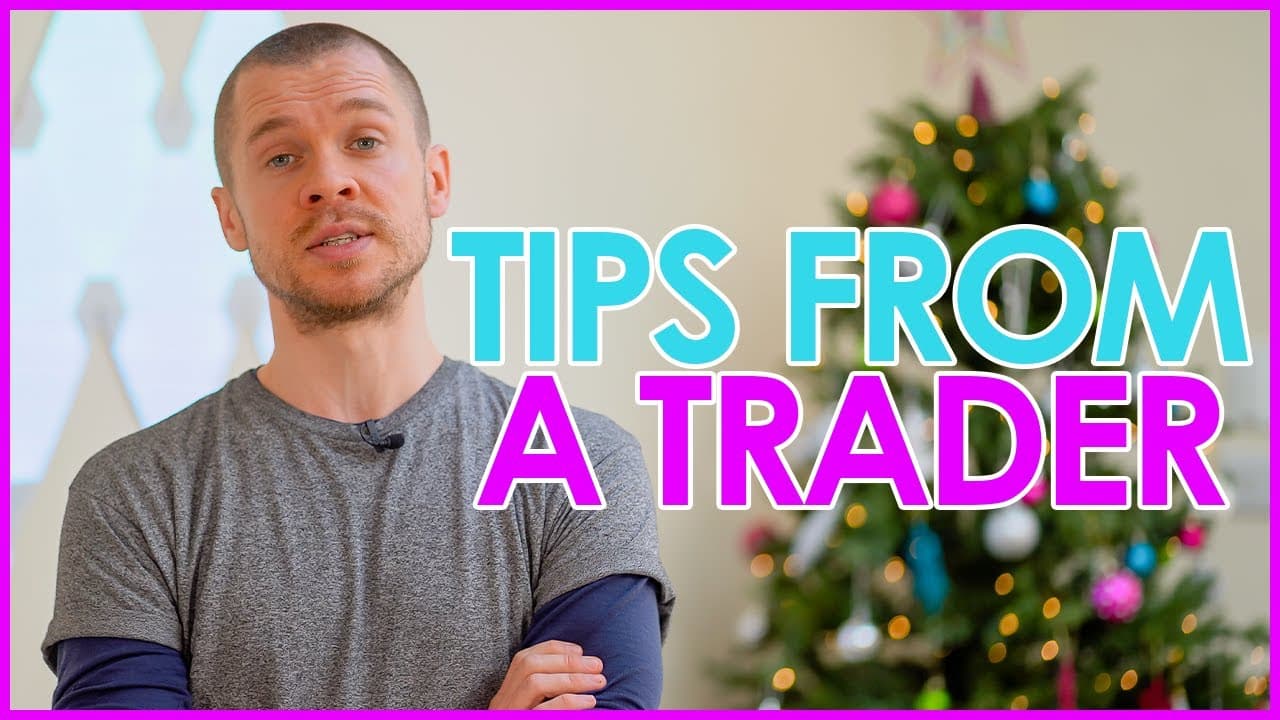
Trading is risky and not a guaranteed path to wealth.
Transcript
Read and summarize the transcript of this video on Glasp Reader (beta).
Key Insights
- Trading requires significant expertise and time commitment to succeed. Competing against full-time professionals without the same resources is challenging.
- Despite being a successful trader, Gary Stevenson emphasizes the difficulty and risks of trading, especially for those without professional experience.
- The COVID-19 pandemic highlighted inequalities in the economy, which Gary leveraged for trading opportunities, but this is not typical for most traders.
- Many individuals, including Gary's friends, fall into the trap of overconfidence after initial trading successes, leading to significant losses.
- Cryptocurrency trading has seen a rise in problem gambling behaviors, with many people losing money due to the addictive nature of trading platforms.
- Trading platforms are designed to be addictive, offering a false sense of expertise through complex charts and data, which can mislead inexperienced traders.
- The current economic system is increasingly disadvantaging ordinary people, making it difficult to achieve financial stability through traditional means.
- Investing differs from trading; it is less risky and more about building long-term wealth, whereas trading is akin to gambling with high risks involved.
Install to Summarize YouTube Videos and Get Transcripts
Explore YouTube Video Summarizer or Get YouTube Transcript Extractor
Questions & Answers
Q: Why doesn't Gary teach trading on his channel?
Gary Stevenson doesn't focus on teaching trading because it is inherently risky and difficult. He believes that without the right expertise and resources, most people are likely to lose money. Instead, he emphasizes the importance of understanding the broader economic system and the challenges it poses to financial security.
Q: What was Gary's experience with trading during COVID-19?
During COVID-19, Gary identified a trading opportunity based on the expected increase in economic inequality. He predicted that asset prices would rise as a result, and he successfully invested in assets like gold. However, he acknowledges that such opportunities are rare and require significant expertise to exploit.
Q: How do trading platforms contribute to problem gambling?
Trading platforms are designed to be addictive, offering users complex charts and data that create a false sense of expertise. This design can lead to problem gambling behaviors, as individuals become overconfident and take on excessive risks, often resulting in financial losses.
Q: What are the risks of overconfidence in trading?
Overconfidence in trading often leads individuals to increase their risk exposure after initial successes. This can result in significant financial losses when market conditions change. Gary's friends experienced this firsthand, losing money after becoming too confident in their trading abilities despite initial gains.
Q: Why does Gary believe investing is different from trading?
Gary views investing as a long-term strategy focused on building wealth through assets like stocks, gold, and property. In contrast, trading is short-term and akin to gambling, with high risks and potential for significant losses. He advises against trading for those without professional experience.
Q: What systemic issues does Gary highlight in the economy?
Gary highlights that the current economic system is increasingly disadvantaging ordinary people, making it difficult to achieve financial security. He points out that wealth is being concentrated among the super-rich, and without systemic change, most people will continue to struggle financially.
Q: How does Gary suggest addressing economic inequalities?
Gary suggests that ordinary people need to become politically involved to address systemic economic inequalities. He believes that without political action, the wealth gap will continue to widen, leaving most people financially vulnerable despite their efforts to improve their economic situation.
Q: What is Gary's stance on cryptocurrency trading?
Gary advises against cryptocurrency trading, viewing it as a highly risky and speculative activity. He considers it more akin to gambling than investing and has seen many individuals lose money in the crypto market due to its volatility and the addictive nature of trading platforms.
Summary & Key Takeaways
-
Gary Stevenson, a former top trader, discusses the challenges and risks associated with trading, emphasizing that it is not a guaranteed path to wealth. He highlights the importance of understanding the difference between investing and trading.
-
The video explores the psychological pitfalls that novice traders face, such as overconfidence and gambling addiction, and how these can lead to significant financial losses, especially in volatile markets like cryptocurrency.
-
Stevenson argues that systemic economic issues are making it difficult for ordinary people to achieve financial security, and he advocates for political involvement to address these inequalities rather than relying on risky trading strategies.
Read in Other Languages (beta)
Share This Summary 📚
Summarize YouTube Videos and Get Video Transcripts with 1-Click
Try YouTube Summary with ChatGPT & Claude or YouTube Transcript Generator
Explore More Summaries from Garys Economics 📚




Summarize YouTube Videos and Get Video Transcripts with 1-Click
Try YouTube Summary with ChatGPT & Claude or YouTube Transcript Generator