Sir Andrew Motion on Alice Oswald's 'Wedding'
TL;DR
A contemporary poem explores the transformative power of love, highlighting its ability to create and change through vivid imagery.
Transcript
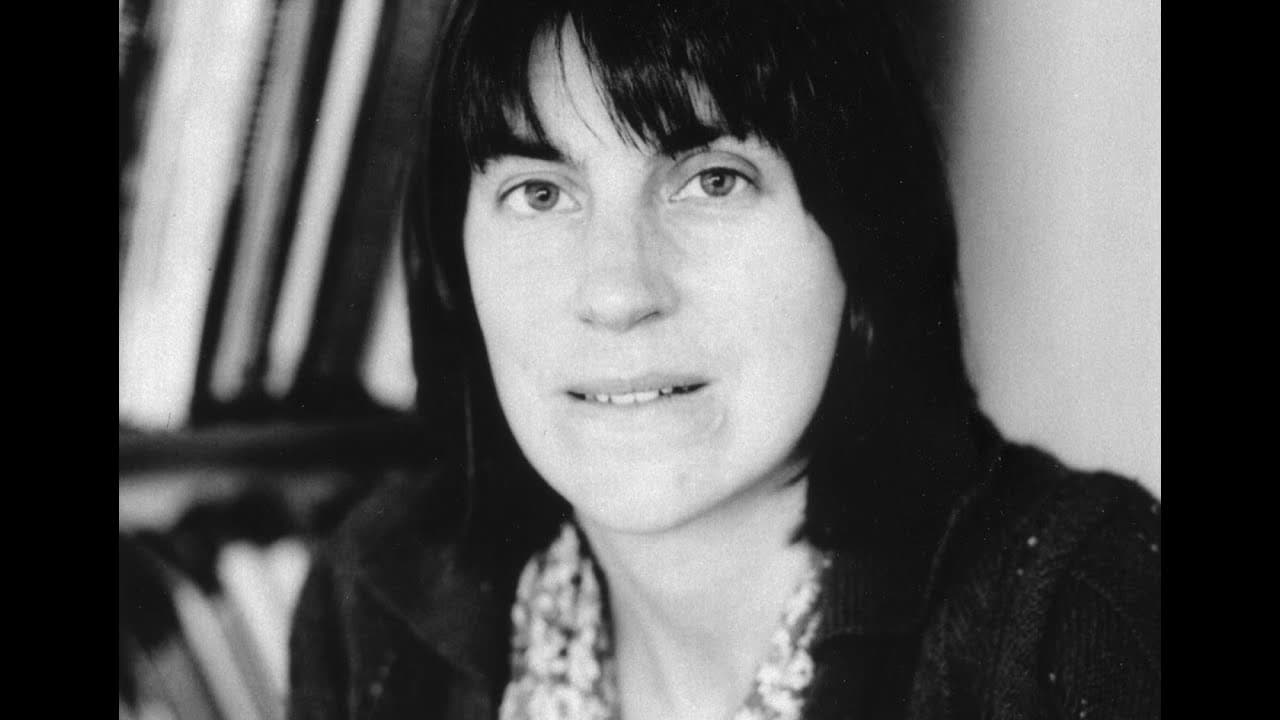
um the first poem I'm going to read you was a sonnet actually the first two poems I'm going to read you as sonnet by a contemporary poet that I especially like um it's all more remarkable since he's younger than me and generally speaking people are paranoid about people younger than themselves um called Alice oswal who lives down outside to in Deon... Read More
Key Insights
- 🥰 Love is depicted as a force of constant transformation, manifesting in various forms and bringing change to our lives.
- 🥰 Art, like love, has the power to transform and deepen our understanding of familiar experiences.
- 🫒 The poem prompts reflection on the historical and traditional context within which we live and create.
- 🥺 The sonnet's ending phrase suggests a cyclical nature, leading to a self-regenerating vortex of emotions.
- ❓ The poem evokes a sense of exhilaration and rapture, captivating the reader's emotions.
- 😍 Through its dynamic imagery and rush of words, the poem reflects on the interconnectedness of love, art, and life.
- ⛩️ The sonnet's structure and sequencing create a sense of balance and closure, while also hinting at a circular narrative.
Install to Summarize YouTube Videos and Get Transcripts
Explore YouTube Video Summarizer or Get YouTube Transcript Extractor
Questions & Answers
Q: How does the poem portray the transformative nature of love?
The poem uses vivid and varied imagery, comparing love to a sail, swallow, coat, mouth, wind, trumpet, and more, emphasizing the constant change and transformation love brings to our lives.
Q: What is the significance of the poem's ending phrase, "like everything"?
The phrase "like everything" captures the all-encompassing nature of love, suggesting that it encompasses every aspect of life and our experiences. It also hints at a cyclical nature, setting up the possibility of the poem feeding back into itself.
Q: How does the poem reflect the connection between love and art?
The poem prompts reflection on the changes that love and art create, highlighting how art can take familiar experiences, polish them, and present them back to us as something deeper and refreshed. It also suggests that art communicates a new awareness of living within a historical and traditional context.
Q: What emotions does the sonnet evoke in the reader?
The poem evokes a sense of exhilaration and rapture, derived from the breathless catching of love's breathlessness. The rapid and dynamic imagery creates a feeling of being swept up and carried away, blowing the reader about in the world.
Summary & Key Takeaways
-
The poem "Wedding" by Alice Oswal portrays love as a sail, swallow, coat, mouth, wind, trumpet, and more, emphasizing the constant transformation and change that love brings.
-
The poem's rush and change prompt reflection on the transformations love and art create, deepening our understanding of familiar experiences.
-
The sonnet evokes a sense of exhilaration and rapture while also suggesting a cyclical nature, leading to a self-regenerating vortex of emotions.
Read in Other Languages (beta)
Share This Summary 📚
Summarize YouTube Videos and Get Video Transcripts with 1-Click
Try YouTube Summary with ChatGPT & Claude or YouTube Transcript Generator
Explore More Summaries from Gresham College 📚

Summarize YouTube Videos and Get Video Transcripts with 1-Click
Try YouTube Summary with ChatGPT & Claude or YouTube Transcript Generator