How to Handle Missing Caloric Intake Goals
TL;DR
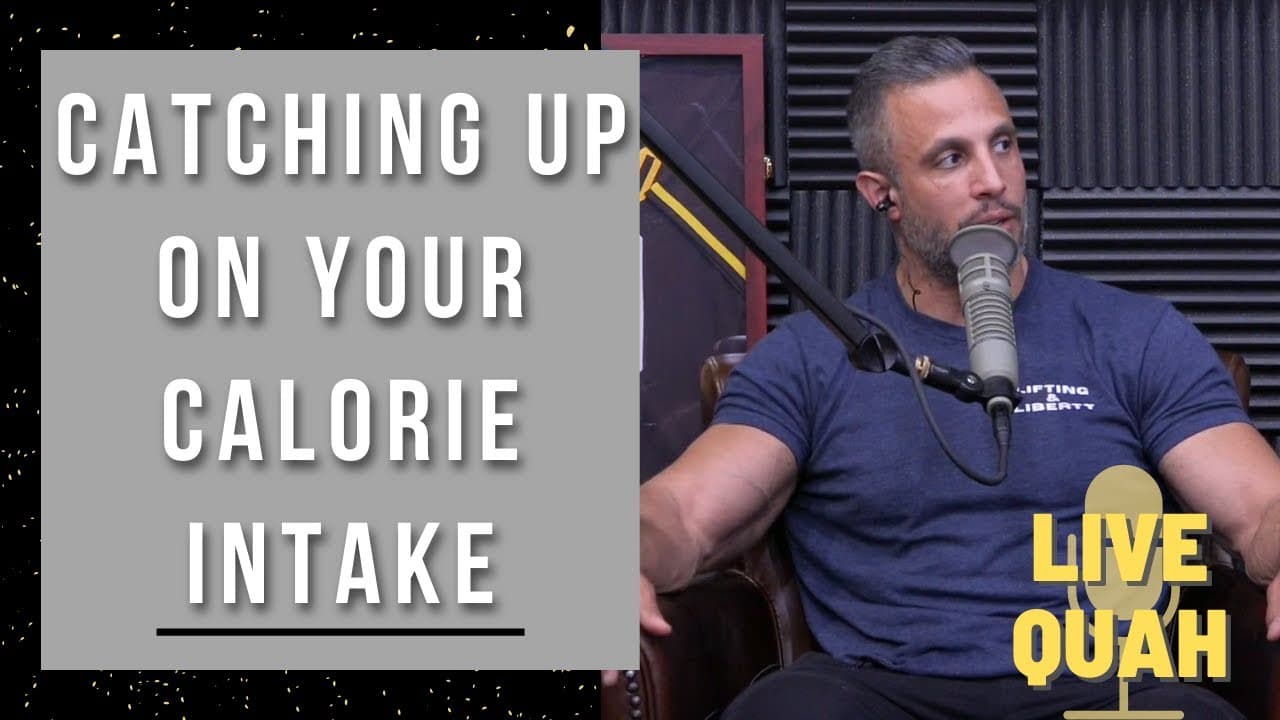
If you miss your daily caloric target, don't stress about it. Your body can naturally adjust over the following days. It's more important to maintain a balanced and flexible approach to nutrition rather than forcing yourself to catch up on missed calories. Listen to your body's hunger cues and avoid creating unnecessary stress around eating.
Transcript
our next caller is jack from missouri hey what's up jack how can we help you hey what's up guys how you doing today good man good all right so um quick background to start uh i'm a 20 year old college student right now i've been lifting for about six years but the first three were in high school and it was mainly centered around football and basket... Read More
Key Insights
- Missing your caloric target occasionally is not a major issue. Your body can compensate naturally over time.
- It's crucial to avoid creating stress around food and eating habits. Flexibility is key to maintaining a healthy lifestyle.
- Listening to hunger cues can help you naturally adjust your intake without needing to force extra calories.
- Overthinking missed calories can lead to unhealthy eating patterns, such as binge eating or unnecessary stress.
- Maintaining a balanced approach to nutrition is more beneficial than strictly adhering to daily caloric goals.
- Caloric intake can vary day-to-day; it's normal to have fluctuations based on activity levels and hunger.
- Prioritizing whole foods and a balanced diet supports overall health and fitness goals.
- Supplementation can support dietary needs, but focus should remain on whole foods where possible.
Install to Summarize YouTube Videos and Get Transcripts
Explore YouTube Video Summarizer or Get YouTube Transcript Extractor
Questions & Answers
Q: How to handle missing daily caloric intake?
If you miss your daily caloric intake, don't worry about it. Your body can naturally adjust over the following days. It's more important to maintain a balanced and flexible approach to nutrition, listening to your body's hunger cues, rather than forcing yourself to catch up on missed calories.
Q: Is it okay to miss calorie goals occasionally?
Yes, it's okay to miss your calorie goals occasionally. Your body can compensate for the deficit naturally over time. It's crucial to avoid creating stress around food and to maintain a balanced approach to nutrition for long-term health and well-being.
Q: Should I make up missed calories the next day?
You don't need to make up missed calories the next day. Instead, allow your body to naturally adjust. Listen to your hunger cues and focus on maintaining a balanced diet. Forcing extra calories can lead to unhealthy eating patterns and unnecessary stress.
Q: How do fluctuations in caloric intake affect my body?
Fluctuations in caloric intake are normal and can be influenced by activity levels and hunger. Your body can adapt to these changes, and it's important to focus on overall dietary balance and flexibility rather than strictly adhering to daily caloric targets.
Q: What is the impact of stress on nutrition and fitness?
Stress can negatively impact nutrition and fitness by leading to unhealthy eating patterns and disrupting your relationship with food. It's important to maintain a flexible approach and avoid overthinking occasional deviations from your dietary plan to support overall health.
Q: Why is flexibility in nutrition important?
Flexibility in nutrition is important because it helps maintain a healthy relationship with food and prevents stress related to eating habits. It allows your body to naturally adjust to its needs, supporting long-term health and fitness goals without unnecessary pressure.
Q: How can I ensure a balanced diet?
To ensure a balanced diet, focus on consuming a variety of whole foods, including proteins, carbohydrates, fats, and micronutrients. Listen to your body's hunger cues and adjust your intake as needed. Supplements can be used to support dietary needs, but whole foods should be prioritized.
Q: What role do supplements play in diet?
Supplements can support dietary needs by providing additional nutrients that may be lacking in your diet. However, the focus should remain on consuming a variety of whole foods to ensure a balanced intake of essential nutrients for overall health and fitness.
Summary & Key Takeaways
-
Missing your caloric target occasionally is not a major issue. Your body can adjust naturally, and it's more important to maintain a balanced and flexible approach to nutrition.
-
Avoid creating stress around food and eating habits. Listen to your hunger cues and allow your body to guide your intake, rather than forcing yourself to catch up on missed calories.
-
Caloric intake can vary day-to-day. Prioritize whole foods and a balanced diet to support overall health and fitness goals, while using supplements as needed.
Read in Other Languages (beta)
Share This Summary 📚
Summarize YouTube Videos and Get Video Transcripts with 1-Click
Try YouTube Summary with ChatGPT & Claude or YouTube Transcript Generator
Explore More Summaries from Mind Pump Show 📚



Summarize YouTube Videos and Get Video Transcripts with 1-Click
Try YouTube Summary with ChatGPT & Claude or YouTube Transcript Generator