How to Effectively Size Your Short Positions
TL;DR
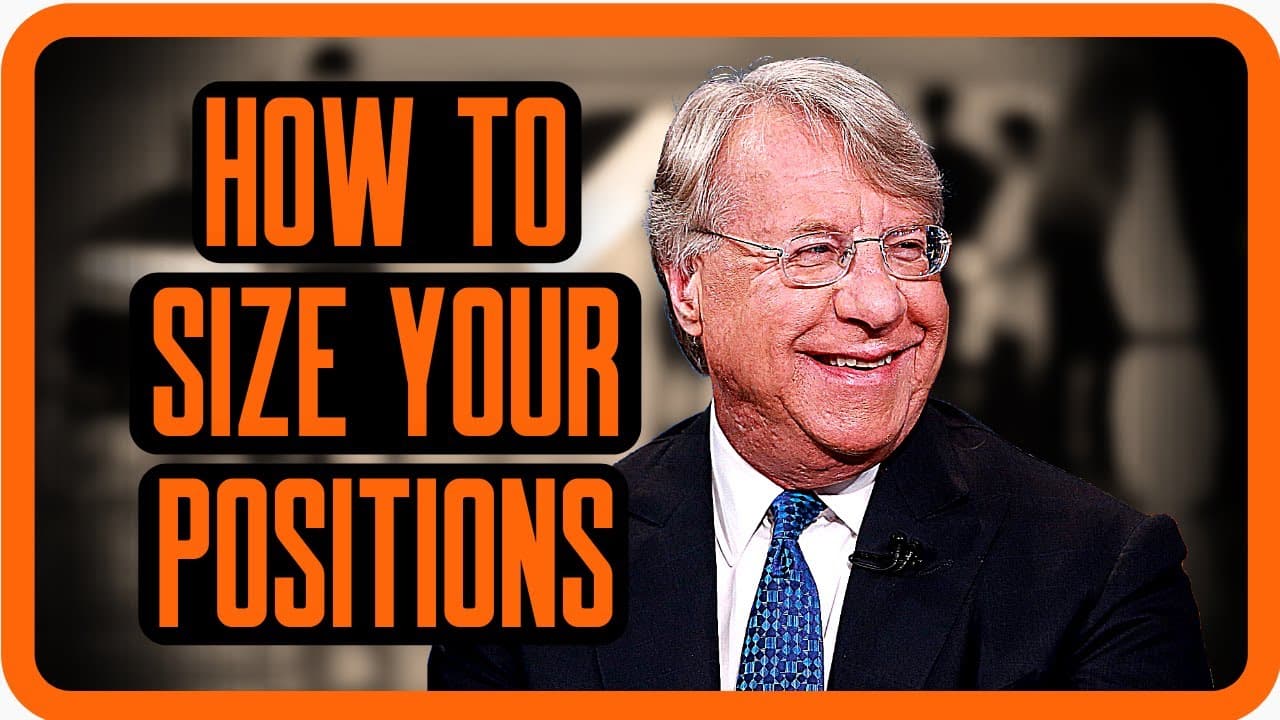
To effectively size your short positions, Jim Chanos recommends using a percent of capital approach rather than stop losses. This method allows for dynamic adjustments based on each position's volatility and overall portfolio context, advocating that positions should increase when they go against you and decrease as they work.
Transcript
sizing your positions is one of the most important aspects of investing and trading but do short sellers face the same concerns as long only investors do they have to worry about position sizing too in this episode legendary short seller jim chanos founder of kinecos associates walks us through this key aspect of short selling every short seller ha... Read More
Key Insights
- ✋ Risk management is crucial in short selling, and Jim Chanos prefers managing positions based on a percent of capital basis rather than using stop losses.
- 🧘 Understanding the volatility of each position and its place in the portfolio helps determine the appropriate size.
- 🧘 Position sizing should be dynamic, increasing as positions go against you and decreasing as they work.
- 🤪 Chanos emphasizes the importance of being willing to add to a short position if things are deteriorating and trimming it back if it goes against you.
- 😥 Flexibility is essential, and Chanos looks for opportunities to re-enter a position if the market offers a favorable entry point.
- 👨🔬 Short selling requires extensive research and analysis since you won't receive help from the street or management.
- 😤 Idea generation in Chanos's process involves the partners actively contributing to the research team, ensuring experienced perspectives are considered.
Install to Summarize YouTube Videos and Get Transcripts
Explore YouTube Video Summarizer or Get YouTube Transcript Extractor
Questions & Answers
Q: How does Jim Chanos manage risk in short selling?
Chanos prefers managing positions based on a percent of capital basis rather than using stop losses. He believes that stop losses often get triggered unnecessarily, and he doesn't like the market telling him what to do.
Q: What is Chanos's rule for position sizing in his portfolio?
Chanos's hard and fast rule is that no single position can be more than five percent of the portfolio. However, in practice, most positions rarely exceed three or four percent.
Q: How does Chanos handle positions that go against him?
If a position he still believes in goes against him, Chanos trims it back. Conversely, if a position is working in his favor and deteriorating, he adds to it. He understands the dynamic nature of position sizing and adjusts as necessary.
Q: What is the average holding period for positions in Chanos's portfolio?
Historically, Chanos's average holding period for positions has been over a year. He doesn't play for short-term fluctuations but focuses on fundamental factors impacting the stock's long-term prospects.
Summary & Key Takeaways
-
Jim Chanos explains the two approaches to managing risk in short selling: using stop losses or managing positions based on a percent of capital basis.
-
He favors the latter approach and emphasizes the importance of understanding the volatility of each position and its place in the overall portfolio.
-
Chanos discusses the dynamic nature of position sizing, where positions get bigger as they go against you and smaller as they work.
Read in Other Languages (beta)
Share This Summary 📚
Summarize YouTube Videos and Get Video Transcripts with 1-Click
Try YouTube Summary with ChatGPT & Claude or YouTube Transcript Generator
Explore More Summaries from Real Vision 📚


Summarize YouTube Videos and Get Video Transcripts with 1-Click
Try YouTube Summary with ChatGPT & Claude or YouTube Transcript Generator