Big Think Interview with Arne Glimcher | Big Think
TL;DR
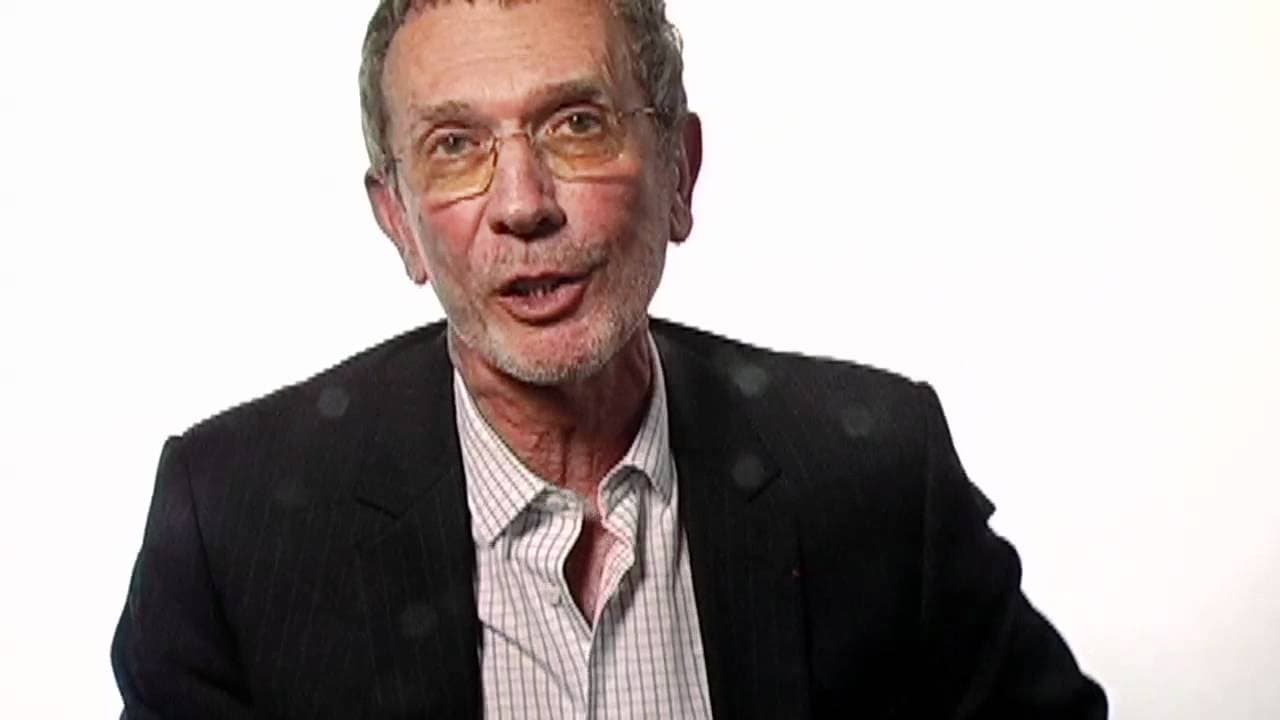
Arie Glimer, Chairman of Pace Wildenstein Galleries, shares his journey as an art dealer and discusses the challenges and changes in the art market.
Transcript
I'm Arie glimer and I'm the um chairman of pace Wildenstein galleries well my dad uh died un sort of unexpectedly and um I was a kid and still in school and um one Saturday afternoon for really Solace my brother and my mother and I were walking down newbry street in Boston looking in art galleries and the the best Gallery was a gallery called The S... Read More
Key Insights
- 🥰 Success in the art industry can be based on luck, connections, and passion for the art.
- 🥰 The early art market was driven by enthusiasm and a desire for a life in art, rather than a focus on making money.
- 🛰️ China's art scene, recovering from the cultural revolution, offers fresh and poignant narratives told through mediums familiar to the West.
- 🥰 The recent art market crash revealed the flaws in the system, including overproduction of art and irresponsible practices by auction houses.
- 🥰 The art market should be seen as an elective rather than a speculative investment, with a focus on the culture and importance of art.
- 🧑🎨 Video art and the internet present new and evolving mediums for artists to explore and communicate their ideas.
- 🤔 A hypothetical dinner with influential figures like Stanley Kubrick, Einstein, Freud, Picasso, and Dubuffet would revolve around the theme of reductionism and analytical thinking.
Install to Summarize YouTube Videos and Get Transcripts
Explore YouTube Video Summarizer or Get YouTube Transcript Extractor
Questions & Answers
Q: How did Arie Glimer start his career in the art world?
Arie Glimer's career in the art world began when he opened his own gallery in Boston after a serendipitous visit to an art gallery. He had no previous experience but was motivated to make a career in the art industry.
Q: How did Glimer develop connections with artists?
Glimer developed connections with artists through personal relationships and genuine passion for their work. One such example is his meeting with Jean Dubuffet, where their shared appreciation for Louise Nevelson's work forged a strong bond.
Q: How did the art market change during the boom period?
During the art market boom, the art world became a commodity-driven market, with speculation and overproduction of art becoming rampant. Prices for artists' works skyrocketed, often driven by unscrupulous practices by dealers and collectors.
Q: How has the recent market crash affected the art market?
The recent market crash has led to a correction in the art market, exposing unscrupulous trading practices. Auction houses have faced difficulties in attracting works and selling at high prices, resulting in cautiousness among collectors.
Summary & Key Takeaways
-
Arie Glimer shares how a serendipitous visit to an art gallery led to him opening his own gallery, initially without any experience.
-
The gallery's first exhibition featured artists connected to Boston universities, and although sales were slow at first, it set the blueprint for Glimer's career.
-
Glimer talks about his passion for connecting with artists, including Jean Dubuffet, and the challenges of moving the gallery from Boston to New York.
Read in Other Languages (beta)
Share This Summary 📚
Summarize YouTube Videos and Get Video Transcripts with 1-Click
Try YouTube Summary with ChatGPT & Claude or YouTube Transcript Generator
Explore More Summaries from Big Think 📚

Summarize YouTube Videos and Get Video Transcripts with 1-Click
Try YouTube Summary with ChatGPT & Claude or YouTube Transcript Generator