How Researchers Made Mice Pups from Two Moms and Two Dads | SciShow News
TL;DR
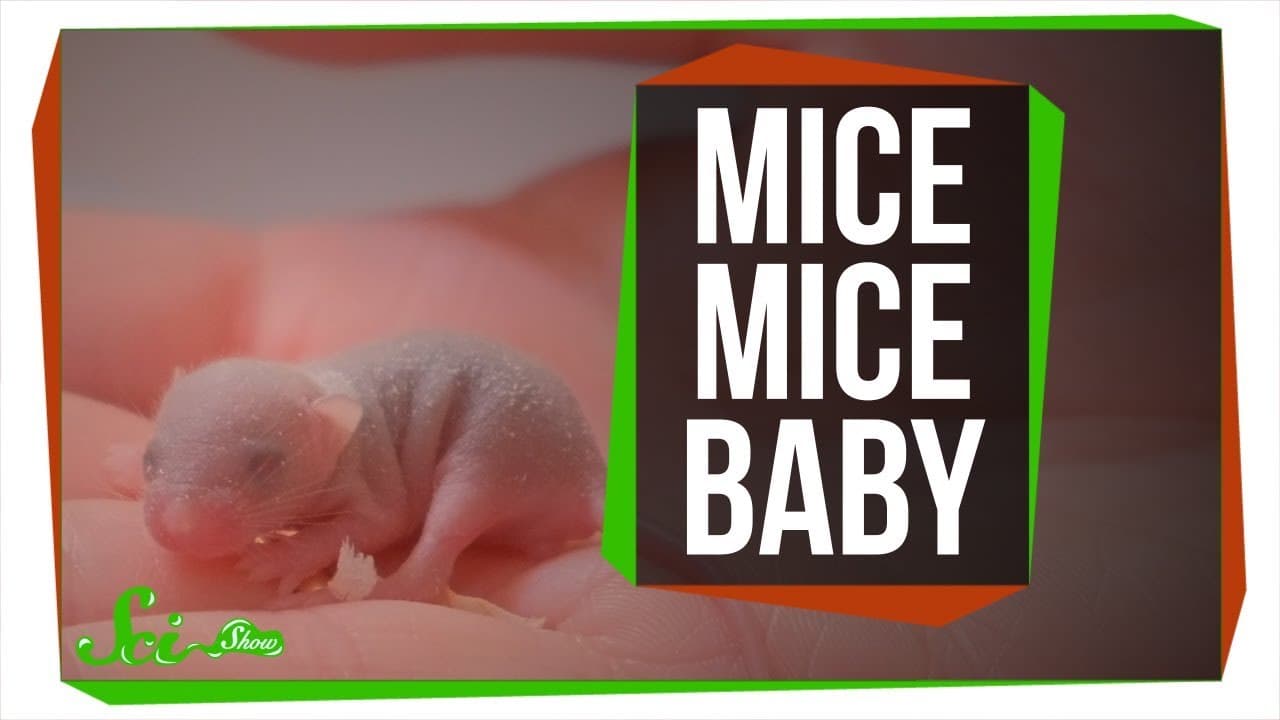
Researchers have successfully bred healthy, living offspring from same-sex mouse parents, challenging the traditional model of sexual reproduction.
Transcript
Thanks to Skillshare for supporting this episode of SciShow. [INTRO] It’s tempting to think of reproduction in mammals as a simple process. You’re probably used to the idea of a sperm cell and an egg cell getting together and, after some time, a baby pops out. But you know us at SciShow — there’s always a twist. Recently, researchers at the Chinese... Read More
Key Insights
- 👪 Researchers have successfully bred healthy, living offspring from same-sex mouse parents, challenging the traditional model of sexual reproduction.
- ❓ Haploid embryonic stem cells with modified genes or combined chromosomes were used to engineer the offspring.
- 🖐️ Genomic imprinting plays a crucial role in normal development and needs to be better understood for more successful reproduction trials.
- 🖐️ Creating bipaternal offspring is more challenging than bimaternal offspring, indicating that genetics play a role in reproduction.
- 💨 Human applications of this technology are still a long way off, and ethical considerations need to be addressed.
- 🥶 Skillshare is offering SciShow viewers a free trial, providing unlimited access to thousands of classes on various topics.
Install to Summarize YouTube Videos and Get Transcripts
Explore YouTube Video Summarizer or Get YouTube Transcript Extractor
Questions & Answers
Q: How did researchers at the Chinese Academy of Sciences breed healthy offspring from same-sex mouse parents?
The researchers used haploid embryonic stem cells and modified genes or combined chromosomes to engineer offspring from same-sex mouse parents.
Q: What is the significance of this research?
This research challenges the traditional model of sexual reproduction and raises questions about long-established beliefs regarding how mammals reproduce.
Q: What is genomic imprinting, and how does it affect offspring?
Genomic imprinting is a mechanism that keeps certain genes from being expressed. Offspring with two sets of maternal genes, for example, may develop abnormally or stop growing completely.
Q: Can this technology be applied to humans?
While human haploid stem cells have been created for research purposes, the technical and ethical considerations of using this technology in humans are still significant.
Summary & Key Takeaways
-
Researchers at the Chinese Academy of Sciences have bred healthy offspring from same-sex mouse parents, with some having two moms and others having two dads.
-
The classic model of sexual reproduction involves a sperm cell fertilizing an egg cell, but this research questions this long-established belief.
-
By using haploid embryonic stem cells and modifying genes or combining chromosomes, the researchers were able to engineer offspring, although their long-term health and survival are still a challenge.
Read in Other Languages (beta)
Share This Summary 📚
Summarize YouTube Videos and Get Video Transcripts with 1-Click
Try YouTube Summary with ChatGPT & Claude or YouTube Transcript Generator
Explore More Summaries from SciShow 📚


Summarize YouTube Videos and Get Video Transcripts with 1-Click
Try YouTube Summary with ChatGPT & Claude or YouTube Transcript Generator