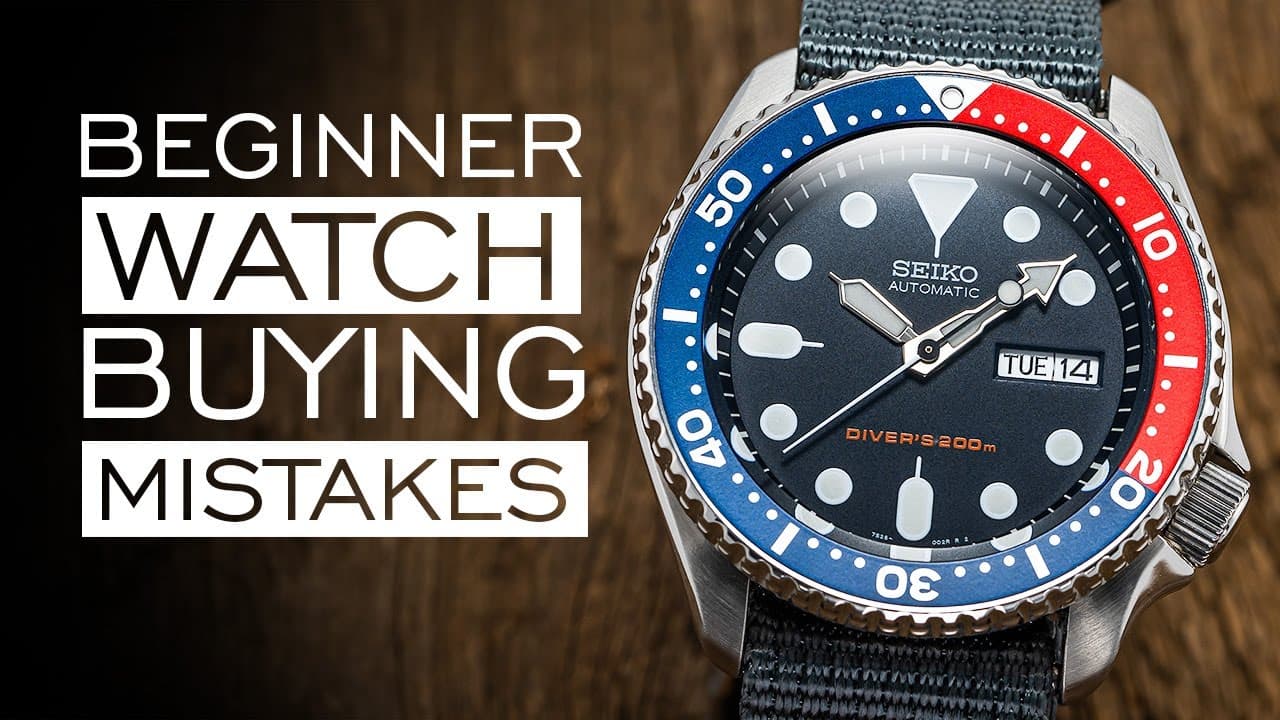
Six Beginner Watch Buying Mistakes (And How to Avoid Them)
TL;DR
Learn common watch buying mistakes and how to avoid them.
Transcript
Read and summarize the transcript of this video on Glasp Reader (beta).
Key Insights
- New watch buyers often have unrealistic expectations of accuracy, not realizing mechanical watches may deviate by several seconds daily.
- Many beginners mistakenly view watches as investments, unaware that most watches depreciate like cars, with few exceptions like Rolex.
- Changing a watch strap can significantly alter its appearance, but many novices overlook this customization option.
- Impulsive buying is a common trap for new enthusiasts, leading to regret as tastes evolve and knowledge increases.
- Understanding watch dimensions is crucial; buyers should try different sizes to find what suits them best, considering factors like dial and bezel ratio.
- Some collectors buy watches to fit in with the community, but it's important to choose pieces based on personal preference rather than peer pressure.
- Visualizing how different straps can change a watch's look can enhance the buying decision, avoiding fixation on the original strap.
- Patience in building a collection leads to refinement, as impulsive purchases often result in unwanted watches.
Install to Summarize YouTube Videos and Get Transcripts
Explore YouTube Video Summarizer or Get YouTube Transcript Extractor
Questions & Answers
Q: What are some common misconceptions about watch accuracy?
Many new buyers expect mechanical watches to be as accurate as digital devices, not realizing that deviations of several seconds per day are normal. Entry-level movements like Miyota may deviate by minus 20 to plus 40 seconds daily, which is acceptable for their price range.
Q: Why shouldn't watches be seen as investments?
Most watches depreciate in value like cars, with only a few brands like Rolex and Patek Philippe appreciating over time. The idea of watches as investments is misleading, as the majority will decrease in value after purchase, making them unreliable for financial gain.
Q: How can changing a watch strap affect its appearance?
Changing a strap can significantly alter a watch's look, offering customization options. Many novices focus on the original strap, not realizing that different straps, like NATO or leather, can transform the watch's style and better suit personal tastes or occasions.
Q: What is the risk of impulsive buying for new watch enthusiasts?
Impulsive buying can lead to regret as new collectors often purchase watches based on initial excitement without considering long-term preferences. As tastes and knowledge evolve, they may end up with watches they no longer want, complicating their collection journey.
Q: Why is understanding watch dimensions important?
Knowing preferred watch dimensions helps buyers choose pieces that fit well and suit their style. Factors like dial and bezel ratio, lug-to-lug distance, and intended watch purpose should be considered to avoid discomfort and ensure satisfaction with the purchase.
Q: How does community pressure affect watch buying decisions?
Some collectors feel pressured to buy certain watches to fit in, but this can lead to dissatisfaction. It's crucial to choose watches based on personal preference rather than community norms, as individuality should guide collecting rather than conforming to groupthink.
Q: What role does patience play in building a watch collection?
Patience allows collectors to refine their preferences and make informed decisions, avoiding impulsive purchases that may not align with their evolving tastes. A thoughtful approach leads to a more cohesive and satisfying collection, reflecting the collector's true interests.
Q: Why is it important to visualize different straps on a watch?
Visualizing different straps helps buyers see potential style changes, preventing fixation on the original strap. This flexibility allows for greater personalization and ensures the watch can adapt to different settings, enhancing its versatility and appeal.
Summary & Key Takeaways
-
The video discusses common mistakes new watch buyers make, such as expecting high accuracy from mechanical watches, viewing watches as investments, and buying impulsively. It emphasizes understanding watch dimensions and the impact of strap changes.
-
Beginners often have unrealistic expectations about watch accuracy and investment potential. The video advises patience in building a collection and highlights the importance of choosing watches based on personal preference.
-
The content covers the pitfalls of impulsive buying and the misconception that watches are good investments. It stresses the significance of understanding watch dimensions and encourages personal choice over community pressure.
Read in Other Languages (beta)
Share This Summary 📚
Summarize YouTube Videos and Get Video Transcripts with 1-Click
Try YouTube Summary with ChatGPT & Claude or YouTube Transcript Generator
Explore More Summaries from Teddy Baldassarre 📚

Summarize YouTube Videos and Get Video Transcripts with 1-Click
Try YouTube Summary with ChatGPT & Claude or YouTube Transcript Generator