Davos 2017 - Issue Briefing: Ending Corruption
TL;DR
Corruption and money laundering facilitated by secrecy and rogue states should be met with international sanctions.
Transcript
ready good afternoon ladies and gentlemen Welcome to our issue briefing room here in the media Village it's uh it's here in the media Village because we like to try to keep things edgy and as engaged with the public as possible so you'll find some hopefully a good selection of journalists in the room you'll also um be joined by several thousand uh ... Read More
Key Insights
- 😜 Offshore companies and secrecy havens facilitate corruption, money laundering, and tax evasion by allowing anonymity and hiding ill-gotten gains.
- 📼 Transparency and beneficial ownership disclosure are crucial in combating corruption and recovering stolen assets.
- 🤕 Education on ethics and values from a young age can help to create a society free of corruption.
- 🫚 Global cooperation and commitment are necessary to root out secrecy havens and address corruption and tax evasion effectively.
- 🧑🚒 Digital currencies and increased traceability of transactions can contribute to the fight against corruption.
Install to Summarize YouTube Videos and Get Transcripts
Explore YouTube Video Summarizer or Get YouTube Transcript Extractor
Questions & Answers
Q: How can we facilitate the return of stolen assets to countries from which they were stolen?
Recovering stolen assets requires a combination of strong legal frameworks, transparency, and international cooperation. Efforts should be made to speed up asset recovery and ensure that the money is returned to the rightful countries.
Q: What is the impact of demonetization in fighting corruption?
Demonetization, as demonstrated in India, can be a tool in combating corruption by reducing the use of cash and making transactions more traceable. It can have short-term transitional issues, but the long-term benefits may outweigh the costs.
Q: How can countries share in the fines imposed on corrupt companies?
Countries affected by corrupt practices should have a share in the fines imposed on companies. This would provide a stronger incentive to combat corruption and ensure that the money is not only collected by developed countries but also returned to the affected countries.
Q: Can the Trump administration undermine transparency in fighting corruption?
President Trump's opposition to the Foreign Corrupt Practices Act raises concerns about his stance on corruption. Strict enforcement of anti-corruption laws is crucial for business reputation and fair practices. The international community should stay vigilant and uphold anti-corruption standards.
Summary & Key Takeaways
-
Professor Mark pith discusses the significance of the events surrounding David Cameron's call for transparency in company registers and the Panama Papers leak, highlighting the need to address corruption and tax evasion.
-
Prof. J stiglet emphasizes the importance of transparency in global financial markets to combat corruption and tax evasion, calling for a global commitment to root out secrecy havens.
-
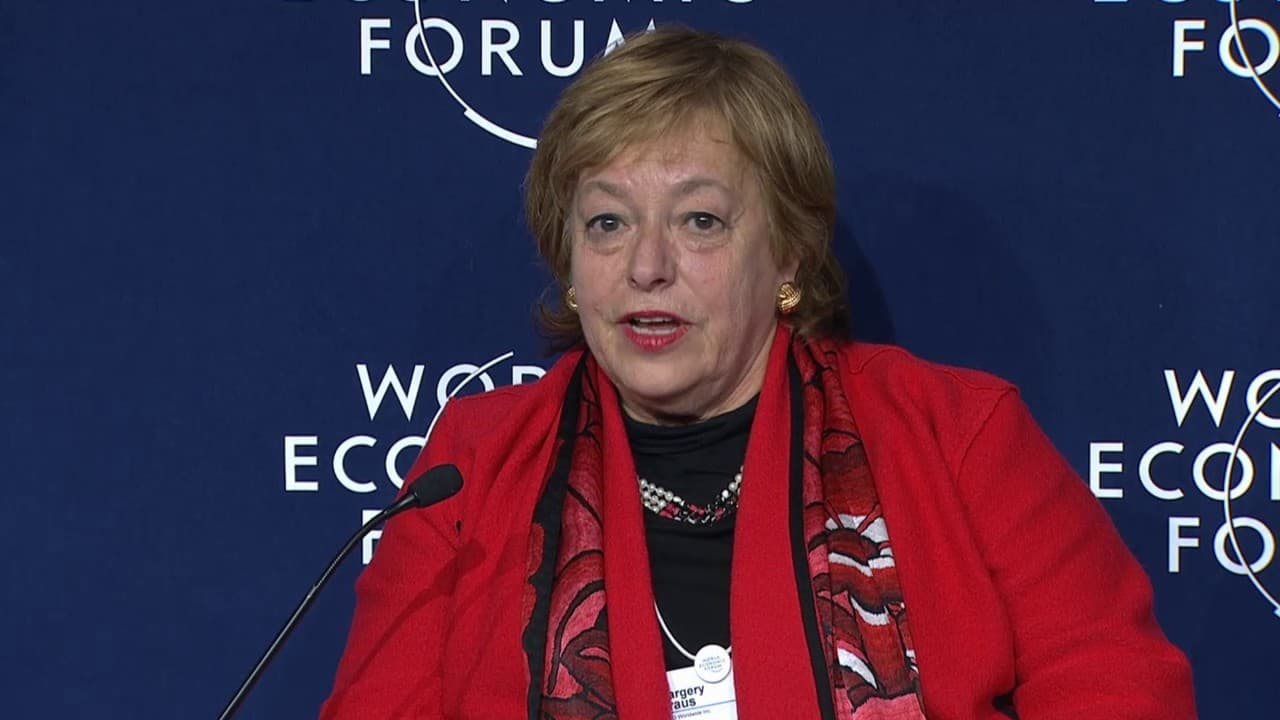
Marjorie Krain explains the business perspective on the commitment to fighting corruption, highlighting the costs and benefits, as well as the need for ethical values and education on corruption from a young age.
Read in Other Languages (beta)
Share This Summary 📚
Summarize YouTube Videos and Get Video Transcripts with 1-Click
Try YouTube Summary with ChatGPT & Claude or YouTube Transcript Generator
Explore More Summaries from World Economic Forum 📚

Summarize YouTube Videos and Get Video Transcripts with 1-Click
Try YouTube Summary with ChatGPT & Claude or YouTube Transcript Generator