Japan PM Ishiba likely ‘weakened’ in tariff negotiations with US: Analyst
TL;DR
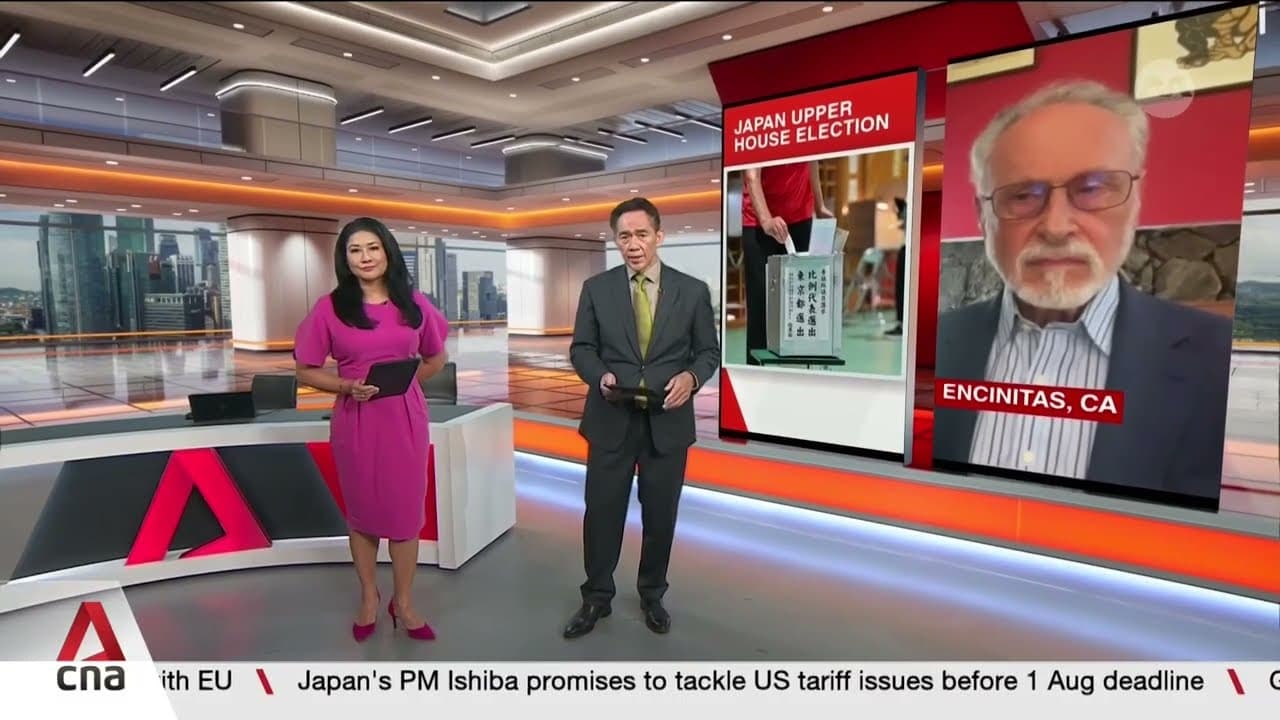
Japan's ruling coalition loses upper house, weakening PM Ishiba.
Transcript
Read and summarize the transcript of this video on Glasp Reader (beta).
Key Insights
- Japan's ruling coalition lost its majority in the upper house, pressuring PM Ishiba amid economic challenges and tariff negotiations with the US.
- The election results reflect Japan's fragmented party system, with opposition parties ranging from extreme left to right, complicating unified governance.
- PM Ishiba faces a dilemma with US tariffs; standing firm could harm the economy, while concessions may be seen as weakness.
- Social media's influence on elections is growing, contributing to political fragmentation and dissemination of misinformation in Japan.
- Japan's cost of living crisis and anti-immigration sentiment are critical issues, with the opposition demanding consumer relief amid rising prices.
- The LDP's lack of a major majority raises market jitters, as opposition parties demand tax cuts that could exacerbate fiscal challenges.
- Despite losing the upper house, Ishiba may negotiate bill-by-bill with opposition parties, as done previously with the lower house.
- The new xenophobic party, Sansto, gains traction, targeting permanent foreign residents, reflecting a shift in Japan's post-war political landscape.
Install to Summarize YouTube Videos and Get Transcripts
Explore YouTube Video Summarizer or Get YouTube Transcript Extractor
Questions & Answers
Q: What impact does the election result have on Prime Minister Ishiba?
The election result weakens Prime Minister Ishiba's grip on power by losing the upper house majority, adding pressure amid economic challenges and tariff negotiations with the US. Although it does not directly determine his administration's fall, it complicates governance with a fragmented opposition and increased scrutiny from within his party.
Q: How does social media influence Japan's political landscape?
Social media significantly influences Japan's political landscape by contributing to the fragmentation of the party system and spreading misinformation. This impact was evident in recent elections, reflecting a broader global trend where social media platforms shape public opinion and political discourse, often leading to polarized and fragmented political environments.
Q: What challenges does Ishiba face regarding US tariffs?
Ishiba faces a dilemma with US tariffs; standing firm against them could harm Japan's economy, while making concessions may be perceived as weakness by the opposition and within his party. This 'damned if you do, damned if you don't' situation complicates his position in negotiations with the Trump administration, requiring strategic maneuvering.
Q: What role does the opposition play in Japan's current political scenario?
The opposition in Japan is fragmented, ranging from extreme left to right, complicating unified governance. While they share a common goal of achieving power, they lack consensus on key issues. This fragmentation prevents forming an alternative government, although cooperation on individual bills with the ruling party remains a possibility.
Q: What are the economic challenges facing Japan currently?
Japan faces significant economic challenges, including a cost of living crisis, stagnant wages, and rising consumer prices. The opposition demands relief measures, such as tax cuts, which could exacerbate fiscal issues. Additionally, US tariff negotiations add pressure, with potential economic repercussions depending on the outcome of these discussions.
Q: How has the new party, Sansto, impacted Japan's political landscape?
The new party, Sansto, has gained traction by appealing to xenophobic sentiments, targeting permanent foreign residents. This reflects a shift in Japan's post-war political landscape, where anti-immigration rhetoric becomes more prominent. It highlights the growing influence of populist and nationalist agendas, similar to trends seen in other countries.
Q: What strategies might Ishiba employ to manage the political situation?
Ishiba might employ strategies like negotiating bill-by-bill with opposition parties, as previously done with the lower house. Despite losing the upper house majority, he could leverage support from centrist parties on key issues. This approach requires balancing party demands and addressing economic challenges to maintain governance stability.
Q: What are the implications of the LDP's lack of a major majority?
The LDP's lack of a major majority raises market jitters, as it signals potential instability. Opposition demands for tax cuts could worsen fiscal challenges, affecting the bond and stock markets. This situation necessitates careful negotiation and policy-making to maintain economic stability and address consumer concerns amid rising prices.
Summary & Key Takeaways
-
Japan's ruling coalition lost the upper house majority, further weakening Prime Minister Ishiba's position amid economic challenges and looming US tariff negotiations. The fragmented opposition, ranging from left to right, complicates governance. Ishiba faces a dilemma with US tariffs, as standing firm could harm the economy while concessions may appear weak.
-
Social media's growing influence contributes to political fragmentation and misinformation in Japan. The election reflects Japan's cost of living crisis and anti-immigration sentiment, with opposition parties demanding consumer relief. The LDP's lack of a major majority raises market jitters, as opposition demands for tax cuts could worsen fiscal challenges.
-
Despite setbacks, Ishiba may negotiate bill-by-bill with opposition parties, as done previously with the lower house. The new xenophobic party, Sansto, gains traction, targeting permanent foreign residents, marking a shift in Japan's post-war political landscape. Ishiba's government faces a challenging path with no easy solutions.
Read in Other Languages (beta)
Share This Summary 📚
Summarize YouTube Videos and Get Video Transcripts with 1-Click
Try YouTube Summary with ChatGPT & Claude or YouTube Transcript Generator
Explore More Summaries from CNA 📚






Summarize YouTube Videos and Get Video Transcripts with 1-Click
Try YouTube Summary with ChatGPT & Claude or YouTube Transcript Generator