How to Achieve Cinematic Lighting in 8 Steps
TL;DR
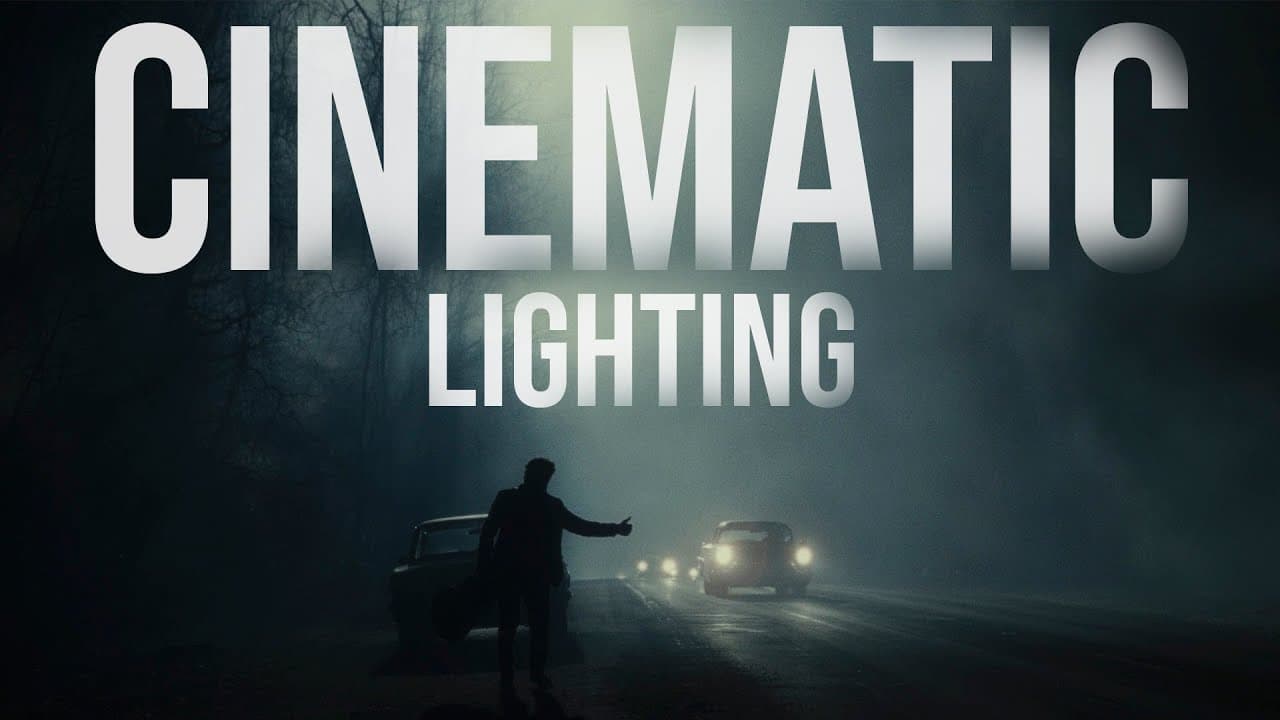
To achieve cinematic lighting, follow these eight steps: shoot on the shadow side for depth, use Rembrandt lighting for natural shadows, and create depth by separating the subject from the background with color contrast. Additionally, employ motivated and background lighting, shoot during golden hour for softer light, and incorporate texture like fog or haze for enhanced visual quality.
Transcript
Read and summarize the transcript of this video on Glasp Reader (beta).
Key Insights
- Cinematic lighting is crucial for enhancing film quality and is often overlooked by filmmakers, impacting the overall production value significantly.
- Shooting on the shadow side of the subject adds depth and a dramatic feel, enhancing the cinematic quality of the film.
- Lighting direction affects the emotion of a scene; Rembrandt lighting at a 45-degree angle creates natural shadows and highlights.
- Creating depth by separating the subject from the background using color contrast and lighting enhances the cinematic appeal.
- Motivated lighting ensures that light sources appear natural and believable within a scene, avoiding the amateur look of unmotivated lighting.
- Background lighting is essential in both interviews and narrative filmmaking to avoid a stage-like appearance and add realism to the scene.
- The time of day, especially during golden hour, can significantly impact the quality of outdoor shots, providing softer and more appealing lighting.
- Using texture, such as fog or haze, can dramatically enhance the visual quality of a scene, adding depth and interest.
Install to Summarize YouTube Videos and Get Transcripts
Explore YouTube Video Summarizer or Get YouTube Transcript Extractor
Questions & Answers
Q: Why is cinematic lighting considered the most overlooked aspect of filmmaking?
Cinematic lighting is often overlooked because many filmmakers focus on camera equipment rather than lighting. However, lighting is crucial as it enhances the production value and visual quality of a film. Proper lighting can make footage from a basic camera look more professional than poorly lit footage from a high-end camera.
Q: What is the importance of shooting on the shadow side of a subject?
Shooting on the shadow side of a subject adds depth and a dramatic feel to the scene, making it more cinematic. This technique creates a three-dimensional effect on the subject's face, enhancing the overall visual quality and storytelling of the film.
Q: How does lighting direction affect the emotion of a scene?
Lighting direction influences the mood and emotion of a scene by altering shadows and highlights on a subject's face. For example, lighting from above can create untrustworthy or depressed looks, while Rembrandt lighting at a 45-degree angle produces natural shadows and highlights, enhancing the scene's emotional impact.
Q: What role does background lighting play in filmmaking?
Background lighting is essential to avoid a stage-like appearance and create a more realistic and natural environment. Proper background lighting adds depth and interest to a scene, ensuring that the subject stands out and the overall composition appears balanced and visually appealing.
Q: How does the time of day impact outdoor filming?
The time of day, particularly during golden hour, significantly impacts the quality of outdoor shots. Golden hour provides soft, diffused lighting with minimal harsh shadows, resulting in more visually appealing and cinematic footage. Shooting during midday can result in harsh shadows and less attractive lighting.
Q: What is motivated lighting, and why is it important?
Motivated lighting involves ensuring that light sources within a scene appear natural and believable. It prevents the amateur look of unmotivated lighting, where light seems to have no clear source. Motivated lighting enhances the realism and visual coherence of a scene, contributing to the overall cinematic quality.
Q: How can texture, like fog or haze, enhance a scene?
Texture, such as fog or haze, adds depth and interest to a scene, making it appear more cinematic. It softens the overall look, enhances lighting effects, and can create a sense of atmosphere and mood, contributing to the storytelling and emotional impact of the film.
Q: What resources does Tomorrow's Filmmakers offer for learning cinematic lighting?
Tomorrow's Filmmakers offers a comprehensive online film academy with over 1,000 video lessons and 100+ hours of content. The course covers every aspect of filmmaking, including cinematic lighting techniques, and is available for a limited time at a discounted price, providing valuable resources for aspiring filmmakers.
Summary & Key Takeaways
-
Cinematic lighting is a transformative aspect of filmmaking that can elevate the quality of your projects. By following eight key steps, filmmakers can achieve a more professional and cinematic look, even with budget lighting equipment. These steps include shooting on the shadow side, proper lighting direction, and creating depth.
-
Motivated lighting, background lighting, and shooting during the golden hour are crucial techniques for achieving cinematic lighting. Each step contributes to a more natural and appealing visual aesthetic, which can significantly enhance the storytelling and emotional impact of a film.
-
Texture, such as fog or haze, adds a unique element to scenes, making them appear more cinematic. Tomorrow's Filmmakers offers comprehensive training on these techniques, providing over 1,000 video lessons for aspiring filmmakers to learn the art of cinematic lighting and other filmmaking skills.
Read in Other Languages (beta)
Share This Summary 📚
Summarize YouTube Videos and Get Video Transcripts with 1-Click
Try YouTube Summary with ChatGPT & Claude or YouTube Transcript Generator
Explore More Summaries from Tomorrows Filmmakers 📚


Summarize YouTube Videos and Get Video Transcripts with 1-Click
Try YouTube Summary with ChatGPT & Claude or YouTube Transcript Generator