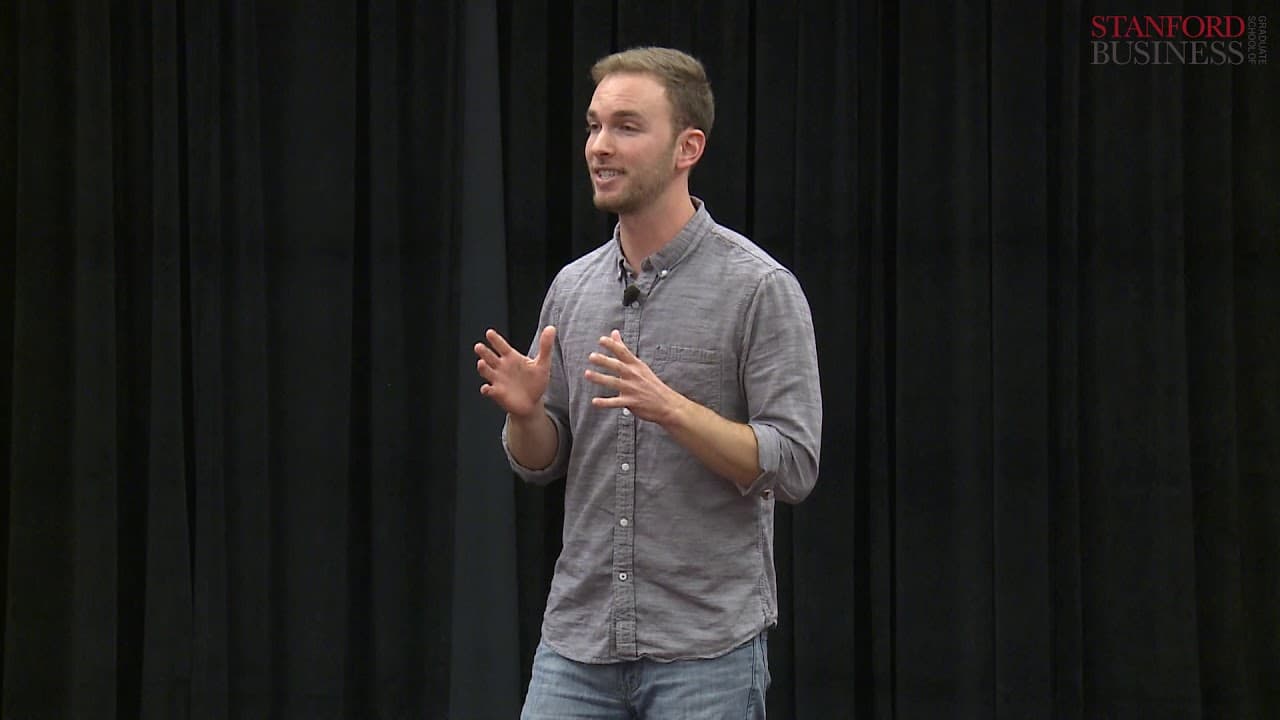
Taylor Savage: The Mythology of Silicon Valley
TL;DR
Silicon Valley's archetypes, including the founder, oracle, and disruptor, shape the tech industry's values, leading to products that prioritize engagement over empathy, a lack of human agency in creating the future, and the disruption of industries without considering the collateral damage.
Transcript
[MUSIC] Jesus was born in a manger, and Silicon Valley was born in a garage. With the venture capital industry as its father and Stanford University as its mother. This region once home to plum orchards and cattle ranches became the fertile ground for the world's greatest technological innovations. Throughout the 20th century, the Legend of Silicon... Read More
Key Insights
- 🧑💻 Silicon Valley's myths of the founder, oracle, and disruptor shape the tech industry's values and practices.
- 🥺 The focus on engagement over empathy leads to products that may negatively impact mental health, emotional connection, and addiction.
- 💠 The belief in technological inevitability removes individual agency and responsibility in shaping the future.
- ❓ Disruptors, while celebrated, often cause collateral damage to industries and perpetuate robber baron capitalism.
Install to Summarize YouTube Videos and Get Transcripts
Explore YouTube Video Summarizer or Get YouTube Transcript Extractor
Questions & Answers
Q: How do the myths of Silicon Valley shape the tech industry's values and products?
The myths of Silicon Valley, featuring founders, oracles, and disruptors, create a magnetic field that influences the industry's moral compass. This leads to products optimized for engagement rather than empathy, resulting in social networks that leave users depressed, news that makes them angry, and addictive mobile games.
Q: What is the role of the Silicon Valley oracle, and how does it impact the future we create?
The Silicon Valley oracle is portrayed as a thought leader who predicts future technological forces. However, this belief in technological inevitability removes human agency and responsibility from shaping the future. It creates a mindset that overlooks the winners and losers in an inevitable future, leaving individuals to simply invest or get out of the way.
Q: How does Silicon Valley's disruptor archetype affect various industries?
Silicon Valley's disruptors are celebrated for their innovative technologies but often neglect to consider the collateral damage caused by their disruption. They disrupt not just old hard drives but also labor markets, education, healthcare, and more. They exploit loopholes, underpay workers, manipulate suppliers, and strive for monopolies, reflecting a robber baron capitalism in the mobile era.
Q: What does the speaker believe Silicon Valley needs in terms of new heroes?
The speaker calls for a shift in the archetype of Silicon Valley's heroes. Instead of prioritizing growth and engagement, they advocate for humanist leaders who prioritize sustainability and empathy. They urge for artists who see technology as inspirational and beautiful, and synthesizers who view technology as one of many means for achieving humanity's greatest potential.
Summary & Key Takeaways
-
Silicon Valley's mythology revolves around founder figures, visionary oracles, and disruptive innovators.
-
These myths influence the tech industry's moral compass, resulting in products that prioritize engagement over empathy.
-
The Silicon Valley oracle's belief in technological inevitability removes human agency and responsibility for shaping the future.
-
The Silicon Valley disruptor's focus on innovation and disruption often comes at the expense of labor markets, education, healthcare, and ethical practices.
Read in Other Languages (beta)
Share This Summary 📚
Summarize YouTube Videos and Get Video Transcripts with 1-Click
Try YouTube Summary with ChatGPT & Claude or YouTube Transcript Generator
Explore More Summaries from Stanford Graduate School of Business 📚




Summarize YouTube Videos and Get Video Transcripts with 1-Click
Try YouTube Summary with ChatGPT & Claude or YouTube Transcript Generator